



Dubai, Petra, Tel Aviv, Doha, Manama, Abu Dhabi and Cairo Hotels Face Massive Collapse as US-Israel-Iran War Shakes Gulf Tourism, Now Middle East Hospitality Sector Braces for More Than Fifty Five Billions USD in Losses: Setting Off a New Travel Storm Across West Asia
Dubai, Petra, Tel Aviv, Doha, Manama, Abu Dhabi and Cairo Hotels Face Massive Collapse as US-Israel-Iran War Shakes Gulf Tourism, Now Middle East Hospitality Sector Braces for More Than Fifty Five Billions USD in Losses: Setting Off a New Travel Storm Across West Asia
The global tourism industry is witnessing an extraordinary shock as Dubai, Petra, Tel Aviv, Doha, Manama, Abu Dhabi and Cairo Hotels Face Massive Collapse as US-Israel-Iran War Shakes Gulf Tourism. This alarming situation is rapidly unfolding as the Middle East Hospitality Sector Braces for More Than Fifty Five Billions USD in Losses, triggering fear across the global travel economy.
From luxury towers in Dubai to heritage hotels near Petra, from seaside resorts in Tel Aviv to skyscraper hotels in Doha, the impact of the US-Israel-Iran War is spreading with dramatic speed. Indeed, Dubai, Petra, Tel Aviv, Doha, Manama, Abu Dhabi and Cairo Hotels Face Massive Collapse as US-Israel-Iran War Shakes Gulf Tourism, and the Middle East Hospitality Sector Braces for More Than Fifty Five Billions USD in Losses, setting off what experts now describe as a powerful new travel storm across continents.
Meanwhile, airline disruptions, travel warnings and geopolitical tensions are pushing travellers to cancel trips and delay bookings. Consequently, hotel lobbies that once welcomed global visitors now face uncertainty. As the US-Israel-Iran War continues to reshape aviation routes and tourism flows, the hospitality sector across the Gulf and the broader Middle East struggles to maintain stability. This unfolding crisis shows how deeply interconnected global travel has become. Travel And Tour World now urges readers to explore the full story behind why Dubai, Petra, Tel Aviv, Doha, Manama, Abu Dhabi and Cairo Hotels Face Massive Collapse as US-Israel-Iran War Shakes Gulf Tourism, and how the Middle East Hospitality Sector Braces for More Than Fifty Five Billions USD in Losses while setting off a new travel storm across continents.
The US-Israel-Iran War Live Updates are sending shockwaves through the global travel economy. Hotels across the Gulf and the wider Middle East are facing one of the most dramatic crises in modern tourism history. The US-Israel-Iran War has frozen flights, shut airspace, and frightened travellers. The result is immediate chaos for the hotel industry and hospitality sector. Empty rooms are appearing across luxury towers in Dubai, beachfront resorts in Egypt, and business hotels in Doha. The US-Israel-Iran War Live Updates now dominate global headlines. And the hotel industry across the Gulf and Middle East is counting losses that could reach tens of billions of dollars.
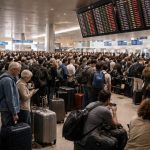
The crisis is spreading quickly. Flights are cancelled. Cruise ships are stranded. Conferences are cancelled. Holiday bookings are vanishing overnight. The hospitality sector now faces one of its most brutal tests since the pandemic. Governments in the Gulf and Middle East fear that the US-Israel-Iran War Live Updates could derail years of tourism investment and global marketing campaigns designed to make the region a luxury travel powerhouse.
Regional Hotel Industry Financial Impact
IndicatorEstimated ValuePotential tourism revenue loss across Middle East$55–56 billionExpected decline in visitors to region23–38 million fewer travellersEstimated drop in hotel bookings in conflict zones20–40% declineShare of tourism in regional GDPUp to 10–15% in some countries
Gulf Luxury Hotels Suddenly Turn Quiet as US-Israel-Iran War Live Updates Spread Fear Across the Middle East Tourism Market
Luxury hotels across the Gulf and Middle East were once symbols of unstoppable tourism growth. Now the US-Israel-Iran War Live Updates are turning them into quiet towers of uncertainty. The US-Israel-Iran War has forced airlines to cancel thousands of flights. Travellers cannot reach their destinations. Without travellers, the hotel industry loses guests overnight. Dubai hotels report sudden cancellations. Doha hotels see empty conference halls. Even beach resorts across the Gulf feel the shock. The hospitality sector depends on safe skies and confident travellers. The US-Israel-Iran War Live Updates are destroying that confidence. Investors worry. Workers fear layoffs. The Middle East hotel industry faces its most unpredictable moment in years.
Dubai Hotels Face Immediate Shock as Flight Cancellations Hit the Gulf Tourism Capital
Dubai is the heart of tourism in the Gulf and Middle East. Its hotels are built for global travellers. But the US-Israel-Iran War Live Updates have created a sudden storm. Airlines cancelled thousands of flights. Travellers could not arrive. Many cancelled trips immediately. The hotel industry in Dubai saw bookings fall sharply. Luxury hotels that once operated at near full capacity are now offering discounts to attract guests. Analysts warn the hospitality sector may see up to 30 percent cancellations during the early phase of the crisis. The US-Israel-Iran War is spreading fear across international tourism markets. Dubai’s hotel industry now fights to maintain occupancy during the growing Gulf tourism crisis.
Doha Hospitality Sector Struggles as Missile Alerts and Airport Chaos Hit the Gulf Aviation Hub
Doha has built its reputation as a luxury travel and business destination. But the US-Israel-Iran War Live Updates are threatening that success. Missile alerts disrupted flights. Airspace restrictions created aviation chaos. Travellers cancelled business conferences and tourism trips. The hotel industry in Doha is now facing declining bookings. Corporate travel is slowing. Global conferences are being postponed. The hospitality sector in the Middle East relies heavily on international business visitors. When aviation stops, hotels suffer immediately. The US-Israel-Iran War has shown how fragile tourism infrastructure can be. In the Gulf, the hotel industry now struggles to protect billions of dollars in tourism investment.
Cairo and Egypt Tourism Hotels Face Volatility as Middle East Conflict Alters Travel Routes
Egypt’s tourism sector is deeply connected to global travel flows across the Middle East. When the US-Israel-Iran War Live Updates began dominating news cycles, travellers started reconsidering trips to the region. Cairo hotels reported sudden booking fluctuations. Some tourists postponed visits to ancient attractions. Others changed itineraries entirely. The hotel industry in Egypt is used to dealing with geopolitical shocks, but the scale of the US-Israel-Iran War is alarming. Airlines are rerouting flights. Cruise ships change ports. Tour operators adjust schedules. The hospitality sector across the Gulf and Middle East now watches carefully. Tourism confidence can vanish quickly during war.
Middle East Hotels Offering Free Accommodation and Meals During Crisis
Hotel / Hospitality ProviderCity / CountrySupport OfferedGuests HelpedFinancial Impact / LossPalazzo Versace DubaiDubai, UAEComplimentary hotel stay and breakfast for stranded travellersDozens of travellers depending on availabilityLuxury hotel losing revenue from rooms offered freeMileo Hotel The PalmDubai, UAEFree overnight accommodation for passengers stranded by cancelled flightsSeveral stranded travellersLoss of room revenue and operational costsMultiple Dubai Hotels (government directive)Dubai, UAEExtended hotel stays and meals covered for stranded guestsOver 20,000 passengersHotels hosting guests without immediate payment while government later reimbursesAbu Dhabi Hotels (citywide directive)Abu Dhabi, UAEMandatory extension of guest stays until departure flights availableThousands of guestsTemporary loss of room inventory and hospitality servicesQatar Hotels (state-supported)Doha, QatarFree extended hotel stays and meals for stranded passengersAround 8,000 transit passengersGovernment covering costs but hotels absorbing operational pressureDugasta Properties accommodation initiativeDubai, UAEFree emergency housing for stranded travellers regardless of nationalityUnknown number of travellersPrivate developer covering accommodation costsDanube Properties and Peace Homes developmentsUAEOffered temporary housing for stranded travellersSeveral familiesHousing provided free of chargeAraBnB holiday homesUAEVacant holiday apartments offered to stranded families5–7 families initial
Dubai, Abu Dhabi and Doha Hotels Open Doors for Stranded Travellers as Middle East Crisis Forces Hospitality Sector to Offer Free Rooms and Meals
The Middle East hospitality industry is facing one of its most unusual and challenging moments in recent years as hotels across the Gulf region offer free accommodation, meals and extended stays to thousands of travellers stranded by flight disruptions and airspace closures. What began as a sudden aviation crisis quickly transformed into a humanitarian situation that forced hotels to step forward to support guests unable to leave the region.
Across cities such as Dubai, Abu Dhabi and Doha, travellers who expected short transit stops or brief holidays suddenly found themselves unable to board flights home. Airlines cancelled routes, airports struggled with operational disruptions and governments issued emergency instructions to the hospitality sector to ensure stranded tourists had safe places to stay.
While these actions demonstrate the region’s commitment to hospitality and traveller care, they are also placing significant financial pressure on hotels that must absorb unexpected costs and lost revenue.
Dubai Hotels Step Forward to Support Stranded Travellers
Dubai’s hotel industry became the centre of the response after thousands of passengers were left stranded due to cancelled flights and regional airspace disruptions. The city, known for its luxury hospitality sector, saw several hotels offer complimentary stays to travellers who suddenly found themselves without accommodation.
One of the most notable initiatives came from Palazzo Versace Dubai, which announced that stranded travellers could stay at the hotel free of charge and receive complimentary breakfast. The offer attracted attention across the travel industry as an example of the city’s hospitality culture during a crisis.
Other properties also joined the effort. Mileo Hotel The Palm offered free overnight accommodation to travellers affected by cancelled flights. These initiatives were designed to provide immediate relief for passengers who had no alternative lodging arrangements.
Although the number of guests assisted by individual hotels varied, the collective response from Dubai’s hospitality sector helped support dozens of travellers who might otherwise have been forced to remain at airports.
Government Directive Extends Hotel Stays for Thousands
The crisis escalated when authorities across the United Arab Emirates instructed hotels to extend stays for stranded guests until flights could be arranged. This directive meant that hotels were required to allow guests to remain in their rooms even if their reservations had officially ended.
As a result, more than twenty thousand travellers were able to remain in hotels across the city while waiting for evacuation flights or rescheduled journeys. Many properties also provided meals to guests during the extended stays.
This measure prevented large numbers of travellers from being forced out of hotels and into already crowded airport terminals. It also helped maintain stability in the tourism system during a highly uncertain situation.
However, the policy also created financial challenges for hotels. Room inventory that could normally generate revenue remained occupied by guests who were unable to pay additional charges or whose travel insurance had not yet covered the extended stay.
Abu Dhabi and Doha Hotels Join Emergency Hospitality Efforts
The response was not limited to Dubai. Hotels in Abu Dhabi were also instructed to extend guest stays and provide support to travellers waiting for flights. Thousands of visitors who had arrived for business or leisure trips suddenly had to remain in the city for additional days.
Hotels across the capital adjusted operations to accommodate the unexpected demand for extended stays. While some costs may eventually be reimbursed by authorities, hotels must still cover operational expenses in the meantime.
In Qatar, a similar situation unfolded in Doha. Authorities instructed hotels to extend stays for transit passengers who could not depart due to flight disruptions. Around eight thousand travellers were affected by these measures.
Hotels in the Qatari capital provided meals and accommodation while authorities coordinated alternative travel arrangements.
Private Companies and Property Developers Offer Emergency Housing
In addition to hotels, several private property developers and housing providers stepped in to help stranded travellers.
Companies such as Dugasta Properties opened residential units for travellers who needed temporary accommodation. Other developers, including Danube Properties and Peace Homes, also offered apartments to stranded families.
Holiday home platforms and rental operators joined the effort as well. Some property managers provided empty apartments to travellers who had nowhere else to stay, helping relieve pressure on hotels already operating at capacity.
These initiatives reflected a broader community response to the crisis, with both private businesses and hospitality companies working together to support travellers.
Financial Pressure Mounts for the Hospitality Sector
Despite the positive humanitarian response, the financial consequences for the hotel industry are becoming increasingly clear. Hotels offering free rooms and meals must still pay staff wages, maintain services and cover operational expenses.
Housekeeping teams continue cleaning rooms, kitchens continue preparing food and hotel staff continue assisting guests. All of these services carry costs, even when guests are not paying for their stay.
In addition, many hotels have lost future bookings as travellers cancel trips to the region due to safety concerns and flight disruptions. Corporate events and conferences have also been postponed, removing another important revenue stream for the hospitality sector.
For luxury hotels that depend heavily on international tourists, the loss of both current and future bookings represents a significant financial risk.
A Test of Middle Eastern Hospitality
The crisis has highlighted the core principle of hospitality that the Middle East tourism sector often promotes: welcoming guests even during difficult times. By opening their doors to stranded travellers, hotels have demonstrated their commitment to supporting visitors.
At the same time, the situation illustrates how closely the hospitality industry is tied to aviation and global mobility. When flights stop and travellers cannot move freely, hotels become the frontline support system for the tourism ecosystem.
For now, hotels across the Gulf continue to provide accommodation, meals and assistance to stranded travellers while authorities work to restore normal travel operations.
The experience may ultimately strengthen the reputation of the region’s hospitality sector. Yet the financial toll on hotels is likely to remain long after the last stranded traveller finally boards a flight home.
Country / CityHotel Sector SituationEstimated Loss / ImpactKey ReasonDubai, UAELuxury hotels facing cancellations and falling occupancyUp to 25–30% booking cancellations reported in early crisisAirspace closures, flight cancellations, safety concernsAbu Dhabi, UAEHotel demand declining due to fewer international arrivalsOccupancy decline and reduced corporate travelAirlines suspending flights and travel warningsDoha, QatarMajor hotel chains losing bookingsReduced occupancy from global tourists and business travelersMissile alerts and airport disruptionsManama, BahrainHotel reservations dropping significantlyTourism revenue losses tied to Gulf crisisRegional security concernsMuscat, OmanSome cancellations but partial recovery from rerouted flightsMixed impact on hotelsAirlines using Oman as alternate routeCairo, EgyptHotels experiencing booking volatilityLower tourist arrivals from Europe and Gulf marketsFlight disruptions and regional instabilityPetra / Amman, JordanTourism bookings slowingReduced international tour group arrivalsTravel advisories and conflict perceptionTel Aviv / JerusalemHotel industry hit hardestTourism collapse in conflict zoneOngoing regional tensions
Tourism Revenue Losses Across the Middle East Could Exceed Fifty Billion Dollars
Economic analysts warn that the US-Israel-Iran War Live Updates could trigger enormous tourism losses across the Gulf and Middle East. Industry estimates suggest the region could lose more than $55 billion in tourism revenue if travel disruptions continue. The hotel industry stands at the centre of this crisis. Hotels depend on international arrivals. Without flights, there are no guests. Without guests, the hospitality sector cannot survive long-term. Governments across the Gulf invested billions in luxury resorts and tourism megaprojects. The US-Israel-Iran War threatens those investments. The Middle East hotel industry now faces a frightening economic storm.
Stranded Travellers and Emergency Stays Create Unexpected Pressure on Hotels
While many hotels lose bookings, others face unexpected challenges. The US-Israel-Iran War Live Updates have stranded travellers across the Gulf and Middle East. Flights were cancelled suddenly. Tourists cannot return home. Many hotels must host guests longer than planned. Some travellers struggle to pay unexpected hotel bills. Emergency accommodation arrangements are increasing. The hospitality sector must balance compassion with financial survival. The hotel industry faces both lost bookings and unexpected operational pressure. The US-Israel-Iran War continues to disrupt travel plans every hour. The Gulf hotel industry is operating under extreme uncertainty.
Conferences, Events and Luxury Tourism Collapse as Hospitality Sector Faces Double Shock
Business travel is a major pillar of the hotel industry across the Gulf and Middle East. International conferences bring thousands of visitors. Luxury tourism generates massive spending. But the US-Israel-Iran War Live Updates are forcing event organisers to cancel or postpone gatherings. Conference halls sit empty. Exhibition centres fall silent. The hospitality sector depends heavily on these events. Without them, hotel revenue drops sharply. The US-Israel-Iran War has created a double shock. Tourism declines. Business travel collapses. The Middle East hotel industry must now rely more on domestic and regional visitors to survive.
Luxury Hotels and Global Brands Face Uncertain Future as Middle East Tourism Slows
The Gulf and Middle East hotel industry includes some of the world’s most famous luxury brands. Global chains invested billions into resorts, towers and beachfront properties. The US-Israel-Iran War Live Updates are threatening these investments. Luxury travel depends on stability. Wealthy travellers avoid regions linked with conflict. The hospitality sector now worries about long-term brand reputation. The US-Israel-Iran War may change how travellers view the Middle East tourism market. Governments are trying to reassure visitors. Marketing campaigns highlight safety. But the hotel industry knows that confidence takes time to rebuild.
Hotel Industry Across the Gulf Hopes Stability Returns Before Tourism Collapse Deepens
Despite the crisis, the hospitality sector remains determined to recover. Tourism leaders across the Gulf and Middle East continue promoting their destinations. Airlines hope to restore normal operations soon. Hotels launch new offers and promotions. Tourism authorities emphasise that many destinations remain safe. But the US-Israel-Iran War Live Updates still dominate global headlines. The hotel industry cannot control geopolitics. It can only adapt. The Gulf hospitality sector now hopes stability returns quickly. If peace returns, tourism could rebound strongly. Until then, the US-Israel-Iran War continues to cast a long shadow over the Middle East hotel industry.
The post Dubai, Petra, Tel Aviv, Doha, Manama, Abu Dhabi and Cairo Hotels Face Massive Collapse as US-Israel-Iran War Shakes Gulf Tourism, Now Middle East Hospitality Sector Braces for More Than Fifty Five Billions USD in Losses: Setting Off a New Travel Storm Across West Asia appeared first on Travel And Tour World.
Source: travelandtourworld.com


Sorry, the comment form is closed at this time.