


Dublin Airport Diverts United Airlines 767 Mid-Atlantic: What International Travellers Must Know About Airline Safety and Contingency Planning
Dublin Airport Diverts United Airlines 767 Mid-Atlantic: What International Travellers Must Know About Airline Safety and Contingency Planning
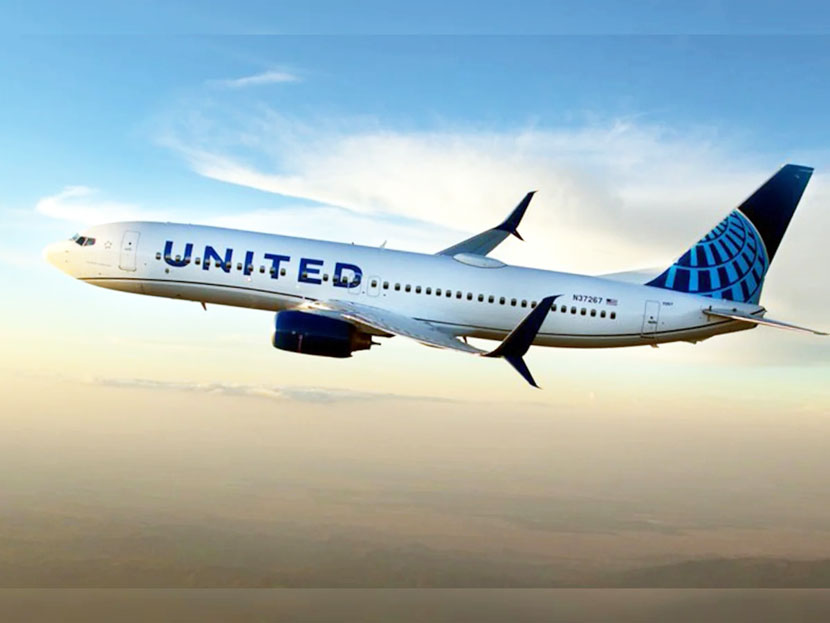
A United Airlines Boeing 767, on a ferry flight from Munich to the United States, made an emergency landing at Dublin Airport after encountering a technical issue. While no passengers were onboard, the incident underscores the importance of airline safety and contingency planning for international flights.
For global travellers, understanding how diversions work can make air travel less stressful. Aircraft are routinely repositioned for maintenance or operational needs, and even minor technical glitches trigger strict safety procedures. Dublin Airport, with its long runways and full maintenance facilities, is often chosen as a safe diversion point.
The Incident: What Happened Mid-Flight
Shortly after leaving Munich, the Boeing 767 experienced an electrical system fault affecting key aircraft instruments. The flight crew activated backup systems and immediately decided to divert to the nearest suitable airport.
While the plane was initially en route across the North Atlantic, Dublin was chosen for its strategic location and advanced technical support. Emergency landings like this are standard protocol, ensuring aircraft safety and operational integrity before any passenger service resumes.
Travellers can take comfort in knowing that pilots follow international safety standards at all times. Decisions to divert are proactive, designed to prevent risks before they escalate.
Understanding Ferry Flights: Behind the Scenes of Air Travel
Ferry flights differ from regular commercial services. They typically carry no passengers and move aircraft between airports for maintenance, operational repositioning, or deployment to new routes.
For travellers, ferry flights reveal the complex logistics of air travel. Every aircraft, especially older models like this Boeing 767, undergoes regular technical checks. These flights ensure that planes meet stringent safety standards before carrying passengers.
Knowing about these operations can also improve traveller confidence. Diversions or technical delays are not failures—they are proof that airlines prioritise safety over schedules.
Dublin Airport: A Safe Haven for Air Travel
Dublin Airport’s role in handling this emergency highlights its importance for international aviation. The airport is well-equipped for technical diversions, offering long runways, hangars, and expert maintenance teams capable of resolving issues swiftly.
For tourists, this airport also demonstrates efficiency in passenger handling during delays or unexpected landings. Modern facilities, digital flight updates, and clear signage help travellers navigate emergencies calmly. Frequent flyers should monitor airline apps or airport boards to stay informed about changes in flight status.
Airline Safety Measures Travelers Can Rely On
Incidents like this remind global flyers that airline safety is multilayered. Backup power systems, rigorous pre-flight checks, and crew training ensure that even technical problems are managed without risk.
For travellers, understanding that diversions are preventive rather than reactive can reduce anxiety. Emergency landings are an example of aviation’s proactive approach to safety, making international air travel one of the safest modes of transport worldwide.
Travel Tips for Passengers During Diversions
While this flight had no passengers, diversions affect travellers daily. Global flyers can prepare by:
Checking flight status regularly via airline or airport apps.
Allowing extra time for connections and layovers, particularly on long-haul flights.
Being familiar with airline rebooking policies for emergencies.
Keeping travel insurance details handy in case of rerouting or delays.
Awareness of these steps ensures smoother travel and minimizes stress during technical or operational disruptions.
Operational Lessons for Global Travellers
The United Airlines 767 incident demonstrates how aviation infrastructure, like Dublin Airport, ensures smooth handling of emergencies. Tourists benefit indirectly as these systems guarantee that passenger flights operate reliably.
Airlines maintain strict protocols for technical faults, weather diversions, and other contingencies. These measures protect passengers while keeping international travel on track. Knowing this, travellers can approach flights with more confidence and less anxiety.
Conclusion: Safety First, Travel Confidently
Even unexpected diversions like the United Airlines Boeing 767 emergency landing highlight the robust safety culture of global aviation. Dublin Airport’s readiness and the airline’s careful handling reinforce confidence in long-haul travel.
For travellers worldwide, this event is a reminder that air travel is highly regulated, and safety always comes first. Understanding how aircraft diversions and ferry flights work can help tourists plan journeys more effectively and travel with greater peace of mind.
The post Dublin Airport Diverts United Airlines 767 Mid-Atlantic: What International Travellers Must Know About Airline Safety and Contingency Planning appeared first on Travel And Tour World.
Source: travelandtourworld.com

Sorry, the comment form is closed at this time.