


Elevating the Escape: Why Premiumization is the Defining Travel Trend of 2026
Elevating the Escape: Why Premiumization is the Defining Travel Trend of 2026
For decades, the travel industry was a game of volume. Success was measured in “heads on beds” and “butts in seats.” But as we move through 2026, the script has flipped. The industry is no longer just selling a destination; it is selling a feeling, a status, and a frictionless experience. This shift is known as Premiumization, and it is fundamentally altering how we explore the world.
A recent deep dive by The Edvocate, building on research from market leaders, suggests that premiumization is not just about “luxury” in the traditional sense of gold-plated faucets. Instead, it’s about the integration of technology, macroeconomic shifts, and a new “experience economy” that prioritizes quality over quantity.
What is Premiumization in 2026?
At its core, premiumization is the process of making a product or service more appealing to consumers by emphasizing its superior quality and exclusivity. In 2026, this has evolved beyond the First Class cabin. It now permeates every touchpoint of the traveler’s journey—from the AI that plans the trip to the sustainable, hyper-local soap in a boutique hotel bathroom.
Travelers are increasingly willing to pay a “premium” not just for a brand name, but for time, peace of mind, and authenticity.
The Three Pillars Driving the Trend
The shift toward premium experiences is being propelled by three distinct categories of trends that every travel professional and savvy globe-trotter should understand.
1. The Technology Trend: Hyper-Personalization
In 2026, technology is the invisible concierge. We’ve moved past generic booking bots to sophisticated “Experience Orchestrators.” Using Generative AI and real-time data, travel companies can now predict a traveler’s needs before they even voice them.
Frictionless Borders: Biometric tech and digital IDs have made the “premium” experience one where you never have to stand in a queue.
AI-Curated Itineraries: Premiumization means the end of the cookie-cutter tour. Travelers now receive 1-of-1 itineraries that align with their specific interests, whether that’s Neolithic history or underground jazz scenes.
2. The Macroeconomic Shift: The Wealth of Experience
Despite global economic fluctuations, the “Experience Economy” is thriving. Post-pandemic psychological shifts have led to a “live for now” mentality. Consumers are diverting funds from “things” (luxury goods) to “moments” (transformative travel).
The Rise of the “High-Value” Traveler: Destinations are pivoting away from mass tourism—which often strains infrastructure—and toward fewer, higher-spending visitors who stay longer and respect local ecosystems.
3. The Regulatory Pillar: Sustainability as a Premium
Sustainability is no longer an optional “green” badge; it is a regulatory requirement and a hallmark of premium travel. In 2026, true luxury is synonymous with responsibility.
Carbon-Neutral Exclusivity: Premium travelers are seeking out destinations that limit visitor numbers to protect the environment.
Circular Economies: As seen in recent initiatives by major hospitality firms, phasing out single-use plastics and integrating glass-to-life recycling programs are now expected standards for any “premium” brand.
Case Studies: Premiumization in Action
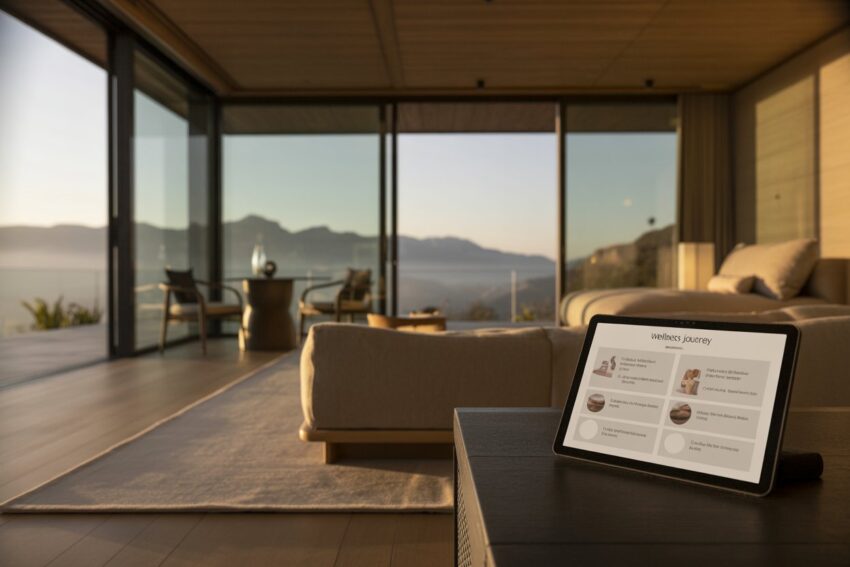
The 2026 landscape is dotted with companies that have successfully pivoted. We are seeing hotels that don’t just offer rooms, but “wellness sanctuaries” where the lighting, air quality, and soundscapes are tailored to the guest’s circadian rhythms.
Airlines are also getting in on the act, expanding “Premium Economy” sections which have become the most profitable square footage on the aircraft. It provides that “middle ground” of dignity and comfort that travelers are now conditioned to crave.
The Human Element: Why We Crave the Upgrade
Why is this happening now? Because in a world that feels increasingly automated and crowded, the “premium” experience feels human.
When a travel brand remembers your allergy, suggests a quiet local park away from the crowds, or provides a seamless transition from the airport to your hotel, it feels like care. Premiumization is the industry’s way of saying, “We see you as an individual, not a booking reference number.”
The Challenge: Avoiding the “Elitism” Trap
The industry faces a delicate balance. As destinations like Venice or the Galápagos move toward premium models to combat over-tourism, there is a risk of making travel a pursuit only for the ultra-wealthy. The successful brands of 2026 are those that offer “accessible premium”—high-quality, professional planning and unique experiences that offer value for money, even at a higher price point.
Conclusion: The New Standard
The year 2026 marks the end of “standard” travel. Whether it’s through professional trip planning or tech-driven comfort, the goal is to elevate every escape. Premiumization isn’t just a trend; it’s a response to a more sophisticated, more conscious, and more exhausted global citizen who simply wants their time away to matter.
Next time you book a trip, look beyond the price tag. The real “premium” is the memory you bring home.
The post Elevating the Escape: Why Premiumization is the Defining Travel Trend of 2026 appeared first on Travel And Tour World.
Source: travelandtourworld.com



Sorry, the comment form is closed at this time.