


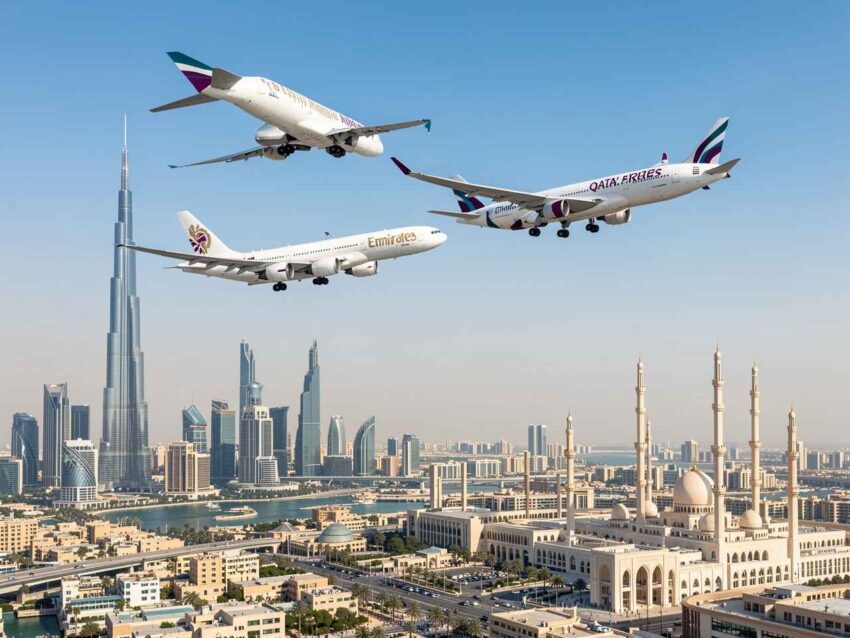
Emirates, Qatar Airways, Etihad Airways, Turkish Airlines, and Saudi Airlines Fight Back Against Middle East Tensions: Why Passengers Can Still Trust Their Flights!
Emirates, Qatar Airways, Etihad Airways, Turkish Airlines, and Saudi Airlines Fight Back Against Middle East Tensions: Why Passengers Can Still Trust Their Flights!
Emirates, Qatar Airways, and Etihad Airways have long been synonymous with luxury, safety, and world-class service, connecting millions of travelers to destinations around the globe. Yet, as tensions rise in the Middle East, many passengers are left wondering: is it still safe to fly with these iconic carriers? While geopolitical unrest has certainly caused disruptions, these airlines have proven their resilience time and time again, adapting quickly to challenges and maintaining their unwavering commitment to passenger safety. Despite ongoing airspace closures, military activity, and shifting political landscapes, Emirates, Qatar Airways, and Etihad continue to prioritize safety above all else, ensuring that flights are only operated through secure, designated corridors. These airlines, renowned for their state-of-the-art fleets and exceptional service, are not only managing to keep their flights on track but also upholding the trust of their global passengers. For anyone planning to travel through the Middle East in 2026, it’s important to know that, despite the volatility, these airlines remain a safe and reliable choice, navigating the skies with the utmost professionalism and care. Whether you’re a seasoned traveler or a first-time visitor, knowing that these carriers are keeping you safe provides peace of mind, ensuring that your travel experience will remain smooth and worry-free.
Emirates, Qatar Airways, Etihad Airways, Turkish Airlines, and Saudi Airlines Fight Back Against Middle East Tensions: Why Passengers Can Still Trust Their Flights!
As tensions rise in the Middle East, many travelers are wondering whether it is still safe to fly with airlines based in the region. Airlines such as Emirates, Qatar Airways, Etihad Airways, Turkish Airlines, and Saudi Airlines have all been in the spotlight due to the ongoing geopolitical unrest. With airspace closures and military conflicts, passengers have been left with concerns about their safety when flying to or from these key Middle Eastern hubs. Despite these challenges, these airlines continue to prioritize passenger safety while maintaining operational excellence. Here’s why you can still trust these airlines for safe and reliable travel, even amid the current turbulence in the region.
Why You Can Trust Emirates, Qatar Airways, Etihad Airways, Turkish Airlines, and Saudi Airlines Despite Middle East Tensions
Airlines operating from the Middle East, particularly Emirates, Qatar Airways, Etihad Airways, Turkish Airlines, and Saudi Airlines, have a long-standing reputation for safety and operational excellence. These carriers are accustomed to managing complex geopolitical situations and regularly adjust their operations to ensure the safety of their passengers. While the airspace closures and military activity in the region have caused disruptions, these airlines have taken proactive measures to navigate the challenges, ensuring that flights are still operating within safe air corridors.
In times of uncertainty, airlines are always in close contact with international aviation safety authorities, including the International Civil Aviation Organization (ICAO) and local government agencies. This collaboration ensures that airlines operating from Dubai, Abu Dhabi, Doha, Istanbul, and Riyadh have up-to-date safety assessments before proceeding with any flight operations. By avoiding unsafe airspaces and using established emergency air corridors, these airlines minimize risks to passengers while continuing to offer a seamless travel experience.
Emirates, Qatar Airways, Etihad Airways, Turkish Airlines, and Saudi Airlines: Still the Safest Airlines for Passengers in 2026
Emirates, Qatar Airways, and Etihad Airways have consistently ranked among the safest airlines globally, with each airline earning top safety ratings from trusted organizations like AirlineRatings.com. Despite recent geopolitical tensions, their commitment to maintaining the highest levels of safety has not wavered. In fact, these airlines have strengthened their operations, leveraging advanced technology and close coordination with regulatory bodies to ensure the ongoing safety of their fleets.
For example, Qatar Airways has maintained its impressive seven-star safety rating, and Emirates, despite the political climate, remains a trusted name for millions of international travelers. Etihad Airways, currently ranked as one of the world’s safest airlines, has earned a Seven Star Plus safety rating, the highest attainable. Turkish Airlines and Saudi Airlines, too, continue to provide top-tier safety and service, ensuring that their flights meet the highest standards of safety and comfort.
What sets these airlines apart is their ability to adapt to changing circumstances quickly. When airspace is closed due to security concerns, these airlines reroute their flights, often using newly designated safe air corridors. This flexibility is a testament to their resilience and commitment to passenger safety, ensuring that flights are conducted only in airspace deemed safe by international regulators.
The Impact of Middle East Tensions on Airline Operations: A Deeper Look
The ongoing conflict and subsequent airspace closures across countries like Iran, Israel, and Iraq have created significant challenges for airlines flying in and out of the Middle East. The International Air Transport Association (IATA) and regional aviation authorities, such as the UAE’s General Civil Aviation Authority (GCAA), have issued temporary measures to protect aviation operations. These measures include real-time assessments of geopolitical developments, and the closure of certain airspaces as a preventive action to ensure the safety of commercial flights.
For airlines like Emirates, Qatar Airways, and Etihad, these disruptions mean that flight schedules are being continuously monitored and adjusted. Passengers traveling to and from the Middle East can expect occasional delays or cancellations as airlines navigate these restrictions. However, these airlines have a robust track record of resuming services swiftly and re-routing flights as needed. Passengers are advised to keep up to date with their airline’s notifications and to check flight statuses regularly.
Tourist Travel in the Middle East: A Temporary Setback for the Tourism Industry
The tourism industry in the Middle East, particularly in countries like the UAE, Qatar, and Saudi Arabia, has experienced a boom in recent years, driven by international travelers flocking to cities like Dubai, Doha, and Riyadh. These cities have become hubs for both leisure and business travelers, with a growing number of attractions and events drawing tourists from all over the world. However, the ongoing tensions in the region have led to disruptions in travel plans.
Despite this, Dubai, Abu Dhabi, and Doha remain resilient, with governments and tourism bodies actively working to mitigate the effects of the unrest. In the UAE, for instance, Dubai has seen a reduction in hotel occupancy rates, but the city is also focusing on its long-term recovery and ensuring that tourists continue to feel welcome. The UAE’s tourism sector remains one of the most advanced in the world, and its global appeal continues to draw millions of visitors each year.
Qatar, too, is prioritizing its tourism infrastructure. The 2026 FIFA World Cup, which Qatar will host, is expected to boost the country’s tourism economy despite the current geopolitical climate. As the region stabilizes, tourism in Qatar will once again flourish, with visitors eager to experience the country’s unique blend of modernity and tradition.
How Airlines and Airports Are Adapting: Navigating Challenges with Grace
Airports in the Middle East, including Dubai International (DXB), Abu Dhabi International (AUH), and Hamad International (DOH), have faced a temporary drop in passenger numbers due to the airspace restrictions and geopolitical instability. However, these airports have managed to maintain operational efficiency, ensuring that they continue to provide world-class services to travelers. Dubai, for example, remains a vital transit hub for international flights, with Emirates ensuring smooth operations despite the challenges.
Security measures at these airports have been adjusted to accommodate the evolving situation. Enhanced screening procedures and additional safety checks are now in place to ensure that passengers can continue to travel with peace of mind. These airports continue to offer the highest standards of service, with luxurious lounges, fast-track security, and efficient boarding processes to make the travel experience as comfortable as possible for all passengers.
Tourism and Hospitality Industry in the Middle East: Navigating the Storm
The hospitality industry in the UAE, Qatar, and Saudi Arabia has been deeply impacted by the recent unrest. In Dubai, for example, many hotels have seen cancellations as travelers delay or cancel their trips to the region. This has led to a temporary downturn in hotel bookings, particularly in the luxury sector. However, the UAE government has acted quickly to reassure tourists, emphasizing that Dubai is still a safe destination with a high level of security.
Hotels in Dubai and Abu Dhabi continue to offer flexible booking policies to accommodate changes in travel plans, with many providing guests with the option to reschedule or receive refunds if their flights are impacted by the current situation. Major hotel chains such as Hilton, Marriott, and InterContinental are maintaining high standards of service, ensuring that guests can enjoy a safe and comfortable stay.
As the situation improves, the hospitality sector is expected to bounce back quickly. The UAE’s tourism infrastructure is robust, and cities like Dubai will remain a popular destination for international tourists seeking luxury, adventure, and cultural experiences.
Flight Details for Travelers: What You Need to Know
For travelers planning to fly with airlines like Emirates, Qatar Airways, Etihad Airways, Turkish Airlines, or Saudi Airlines, it’s important to stay updated on flight statuses. While disruptions may continue for some time, these airlines offer flexible rebooking options and are working to ensure that passengers are accommodated during these challenging times.
Emirates, for example, continues to operate flights from Dubai to major destinations around the world, including Europe, Asia, and North America. Qatar Airways also maintains a global network, with flights operating to destinations like London, Paris, New York, and Sydney. Etihad Airways, based in Abu Dhabi, offers flights to popular destinations in Europe, Asia, and the Americas, while Turkish Airlines continues to operate from Istanbul to destinations across the globe.
Passengers should keep an eye on their airline’s communication channels for any updates on flight delays or cancellations. It’s advisable to sign up for flight alerts and to check the airline’s website for the most current information. Additionally, travelers should ensure they have appropriate travel insurance in place, especially when flying to destinations with ongoing geopolitical concerns.
What Can Travelers Expect from the Middle East in 2026 and Beyond?
The Middle East’s aviation, tourism, and hospitality sectors are expected to recover swiftly once the current geopolitical tensions subside. Airlines like Emirates, Qatar Airways, and Etihad Airways, as well as airports in Dubai, Abu Dhabi, and Doha, are well-equipped to handle the challenges posed by the crisis. These airlines and airports have the infrastructure, resources, and expertise to adapt to changing conditions and ensure the safety and comfort of their passengers.
As the region stabilizes, tourism in the Middle East will once again flourish. Dubai, Abu Dhabi, Doha, and Riyadh will continue to be among the top destinations for both business and leisure travelers. The UAE’s hospitality sector, including hotels, resorts, and entertainment venues, will recover, attracting tourists with its unmatched luxury, world-class service, and vibrant cultural offerings.
For travelers, the key takeaway is this: despite the current challenges, Emirates, Qatar Airways, Etihad Airways, Turkish Airlines, and Saudi Airlines are committed to providing safe, reliable, and high-quality services. By staying informed and planning ahead, passengers can enjoy a safe and comfortable travel experience to and from the Middle East, even amidst these turbulent times.
Emirates, Qatar Airways, and Etihad Airways continue to prioritize passenger safety despite rising tensions in the Middle East. These world-renowned airlines are navigating the challenges with resilience, ensuring secure and reliable flights for travelers.
Travel Tips for Flying Amid Middle East Tensions
Stay Updated on Flight Statuses: Regularly check your airline’s website for real-time updates on flight delays or cancellations. Airlines like Emirates and Qatar Airways offer email or text notifications for any changes.
Flexibility Is Key: If your flight is affected, most airlines will offer the option to rebook or refund your ticket. Ensure you know the airline’s policy and act quickly to reschedule.
Prepare for Layovers: Airports in the Middle East, such as Dubai International, offer comfortable lounges where you can relax during extended layovers. Take advantage of these facilities to ease your travel stress.
Pack Smart: With possible flight delays, it’s a good idea to pack essential items in your carry-on, including snacks, medication, and entertainment, to keep you comfortable in case of extended waiting times.
Travel Insurance: Consider purchasing comprehensive travel insurance to cover any unforeseen disruptions, including flight cancellations, medical emergencies, and delays.
With these tips in mind, travelers can navigate the complexities of flying through the Middle East, ensuring a smoother and more enjoyable journey despite the challenges.
The post Emirates, Qatar Airways, Etihad Airways, Turkish Airlines, and Saudi Airlines Fight Back Against Middle East Tensions: Why Passengers Can Still Trust Their Flights! appeared first on Travel And Tour World.
Source: travelandtourworld.com



Sorry, the comment form is closed at this time.