


Emirates, Qatar Airways, Etihad & Virgin Australia Ground Hundreds of Flights Across Israel, Iran, UAE and Qatar — Thousands of Australians Stranded in Travel Meltdown, Here’s What Happens Next
Emirates, Qatar Airways, Etihad & Virgin Australia Ground Hundreds of Flights Across Israel, Iran, UAE and Qatar — Thousands of Australians Stranded in Travel Meltdown, Here’s What Happens Next
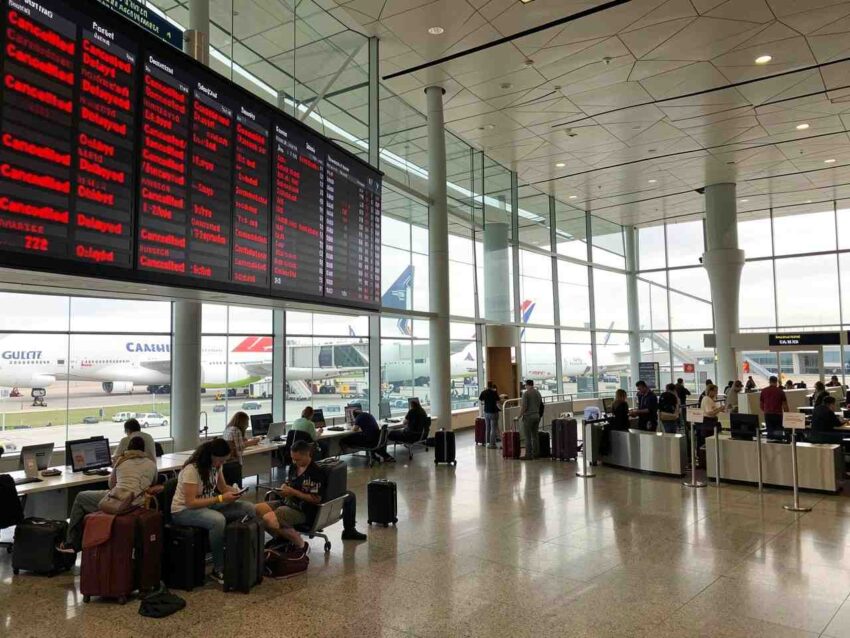
Emirates, Qatar Airways and Etihad Airways are at the centre of an unprecedented aviation shockwave after escalating conflict across Israel, Iran, Qatar and the United Arab Emirates forced widespread airspace closures and triggered hundreds of flight cancellations, stranding thousands of Australians and tens of thousands of international travellers across key Gulf transit hubs. Within hours of missile strikes and retaliatory attacks, major corridors linking Australia to Europe and Asia were disrupted, with global flight tracking data reporting more than 17,000 delays and over 3,000 cancellations worldwide, underscoring how rapidly geopolitical tensions can paralyse international air travel. Dubai, Doha and Abu Dhabi — among the world’s busiest connecting airports — saw operations suspended or reduced before limited services cautiously resumed under strict aviation authority oversight, while airlines activated rebooking waivers and refund policies for affected passengers. With more than 115,000 Australians estimated to be in the broader Middle East region during peak travel periods and governments issuing updated travel advisories, the unfolding crisis has exposed the vulnerability of long-haul networks that depend on Gulf super-connector hubs, leaving travellers scrambling for alternatives and the global airline and hospitality industries bracing for weeks of operational and financial turbulence.
The sudden escalation of conflict across Israel, Iran, Qatar, the United Arab Emirates, Iraq, Syria, Kuwait and Bahrain has sent shockwaves through global aviation. Within hours of airspace closures, major Gulf carriers including Emirates, Qatar Airways, Etihad Airways and Virgin Australia suspended or limited operations. Thousands of Australians found themselves stranded across Dubai, Doha and Abu Dhabi. Global flight tracking data showed more than 17,000 delays and over 3,000 cancellations worldwide within hours of the crisis intensifying. For frequent travellers, this is not just a regional disruption. It is a structural shock to some of the world’s busiest transit corridors linking Europe, Asia and Australia. Here is what it means for airlines, airports, hotels and you.
Emirates, Qatar Airways, Etihad & Virgin Australia Suspend Core Gulf Routes as Israel, Iran and UAE Airspace Shuts
The immediate trigger was widespread airspace closure across multiple Middle Eastern states. Israel, Iran, Iraq, Qatar, Kuwait and Bahrain halted civilian operations. Jordan partially restricted traffic. Over the United Arab Emirates, no commercial flights were permitted during the initial shutdown window. As a result, Emirates suspended operations to and from Dubai for several hours before announcing limited resumptions. Qatar Airways paused departures pending clearance from Qatari civil aviation authorities. Etihad halted scheduled commercial services from Abu Dhabi before reintroducing a small number of controlled departures. Virgin Australia cancelled Doha services through early March.
For travellers connecting from Sydney or Melbourne to Europe via Dubai or Doha, the impact was immediate. The Gulf hubs function as super-connectors. Dubai International typically handles close to 90 million passengers annually, with India, the United Kingdom and Saudi Arabia among its largest markets. Doha’s Hamad International Airport supports more than five million annual visitors to Qatar and tens of millions in transit passengers. When these hubs pause, global networks stall.
Airlines issued rebooking waivers. Etihad allowed date changes through mid-March for tickets issued before late February. Qatar Airways offered complimentary changes within a defined window. Virgin Australia provided free changes and credits for affected Doha passengers. Emirates enabled rebooking or refund requests, particularly for direct bookings.
Travel Tip: Do not cancel first. If you cancel voluntarily, you may lose refund eligibility. Wait for the airline to cancel. That preserves your rights for full cash refunds under most carrier conditions of carriage.
Emirates, Qatar Airways, Etihad & Virgin Australia Trigger Hotel Surge in Dubai, Doha and Abu Dhabi as Australians Seek Shelter
As flights stopped, hotels filled. The UAE government announced it would support stranded passengers with extended hotel stays and meal coverage. Dubai’s hospitality sector, which recorded over 19 million international visitors in 2025 and maintained occupancy levels above 80 percent during peak months, suddenly became a crisis buffer.
Major global brands including Hilton, Marriott, Accor and Jumeirah reported increased last-minute occupancy from stranded transit passengers. In Doha, where average occupancy stood above 70 percent in 2025 according to Qatar tourism performance data, similar patterns emerged. Hotel lobbies became information hubs. Concierge desks handled airline queries. Business centres transformed into rebooking stations.
For the hospitality industry, the short-term effect is paradoxical. Occupancy rises from stranded guests. But forward bookings weaken as leisure travellers postpone trips. Conferences reschedule. Corporate travel pauses.
Travel Tip: If stranded, negotiate directly with your hotel for extended-stay rates. Many properties offer discounted crisis tariffs that are not publicly advertised. Keep receipts for reimbursement claims.
Airline Financial Pressure Mounts as Rerouting Costs Rise and Fleet Utilisation Drops
Airspace closures force aircraft to reroute along narrower corridors. Since Russian airspace remains restricted for many Western carriers, alternative paths are limited. Longer routings increase fuel burn. Widebody aircraft such as the Boeing 777 and Airbus A380 consume significantly more fuel on extended sectors. Crew duty times stretch. Aircraft rotation schedules break.
For Gulf carriers operating large fleets of long-haul aircraft, grounding even a portion of operations disrupts global connectivity. Fleet utilisation drops. Aircraft sit idle at gates. Airlines lose revenue while still absorbing fixed costs.
Expect airlines to respond by adjusting capacity, delaying non-essential fleet upgrades and potentially increasing fares once stability returns to recover losses.
Travel Tip: Use airline apps for live aircraft tracking. If your inbound aircraft is delayed, your outbound flight will likely follow. Monitoring tail numbers gives you early warning before official notifications.
Airport Operations Adapt with Limited Resumptions and Security Reinforcement
Dubai International and Hamad International resumed limited flights once authorities declared airspace safe. However, airports warned travellers not to arrive unless flights were confirmed. Security procedures tightened. Expect additional document checks and possible secondary screening for flights operating near restricted zones.
Frequent travellers should anticipate congestion in check-in areas once large numbers of rebooked passengers converge on reduced flight schedules. Lounges may restrict access due to crowding.
Travel Tip: Arrive early but confirm your flight status first. If connecting, request through-checked baggage revalidation at transfer desks. Keep digital boarding passes saved offline in case airport Wi-Fi becomes overloaded.
Insurance Reality: War Exclusions and What They Mean for You
Travel insurance policies typically exclude war-related disruptions. Industry representatives have reiterated that large-scale geopolitical events fall under exclusion clauses. That means missed tours or prepaid activities may not be reimbursed.
However, some comprehensive policies may still cover ancillary expenses if airlines cancel services for safety reasons rather than declared war. Contact your insurer immediately and obtain written clarification.
Travel Tip: Screenshot airline cancellation notices. Insurers often require documented proof that the airline, not the passenger, initiated the cancellation.
Impact on Australian Travellers and Government Advisory Updates
More than 115,000 Australians are estimated to be in the broader Middle East region at any given time during peak travel periods. The Australian government has activated crisis response mechanisms and advised travellers to monitor official updates. Repatriation flights remain unlikely while airspace stays closed. Authorities indicate commercial services will resume first once safe corridors reopen.
For Australians heading to Europe via Dubai or Doha, consider alternative routings through Southeast Asia if available. Singapore and Kuala Lumpur routes may experience secondary demand spikes but remain operational.
Travel Tip: If booking new tickets, choose flexible fare classes. Even basic economy fares can be risky during volatile periods.
Tourism Markets at Risk: India, UK, Saudi Arabia, China and Australia Feel the Shock
Dubai’s largest visitor markets include India, the United Kingdom and Saudi Arabia. Doha receives strong inflows from GCC countries and Europe. With airspace instability, these markets experience cascading disruption. Indian travellers using Gulf hubs to reach North America or Europe face longer detours. British travellers transiting to Asia see schedule changes. Saudi regional traffic may divert through alternative airports.
Australia is particularly exposed because Gulf hubs provide efficient one-stop access to dozens of European cities. When that link weakens, flight times lengthen and fares rise.
Travel Tip: Check multi-city booking engines. Sometimes splitting tickets via Southeast Asia offers more reliable connectivity during Gulf disruptions.
Loyalty Program Implications and Miles Strategy
Frequent flyer members with Emirates Skywards, Qatar Privilege Club or Virgin Velocity bookings should monitor mileage expiry rules. Airlines often extend status validity during crises. Award seats may open unexpectedly as commercial demand fluctuates.
Travel Tip: If rebooking on points, ask agents to waive change fees. Most carriers implement goodwill policies during widespread operational disruptions.
Hospitality Outlook: Short-Term Surge, Long-Term Caution
Dubai recorded nearly 20 million international visitors in 2025. Qatar welcomed more than five million. These markets rely on air connectivity. Short-term occupancy spikes from stranded passengers will likely give way to booking slowdowns if instability continues.
Hotel revenue managers are expected to adopt dynamic pricing strategies. Flexible cancellation policies may remain extended to encourage hesitant travellers.
Travel Tip: Book refundable rates only. Monitor price drops and reprice reservations as needed.
Security and Regional Advisory Updates
Authorities have advised against non-essential travel to certain areas due to volatile security conditions. Airports may close with limited notice. Ben Gurion Airport in Israel has previously halted operations abruptly during escalations. Travellers should avoid attempting overland border crossings without official guidance.
Travel Tip: Register with your embassy before travel. In crises, consular services rely on registered data to communicate evacuation or assistance updates.
What Happens Next for Airlines and Airports
Airlines are likely to resume phased operations as soon as civil aviation authorities reopen corridors. Expect a gradual ramp-up. Priority will go to stranded passengers. Network stability may take weeks. Aircraft positioning must be recalibrated. Crews must be reassigned.
Airports will continue coordinating with national aviation authorities to maintain safety. Security levels will remain elevated.
For frequent travellers, flexibility is the new currency. Choose airlines with strong rebooking policies. Travel with carry-on luggage when possible to simplify rerouting. Maintain digital copies of travel documents.
The Middle East crisis underscores how interconnected global aviation has become. A closure over one corridor disrupts journeys across continents. Airlines, airports and hotels are adapting quickly. But travellers must remain proactive. Monitor flight alerts. Stay informed. And above all, plan for contingencies.
Emirates, Qatar Airways and Etihad Airways have suspended or disrupted hundreds of flights after escalating conflict across Israel, Iran, Qatar and the UAE triggered sweeping airspace closures, stranding thousands of Australians in key Gulf transit hubs.
With more than 17,000 global delays and over 3,000 cancellations recorded in a single day, the crisis is rippling through Dubai, Doha and Abu Dhabi, shaking airline networks and the wider tourism and hospitality industry.
In volatile times, preparation replaces predictability.
The post Emirates, Qatar Airways, Etihad & Virgin Australia Ground Hundreds of Flights Across Israel, Iran, UAE and Qatar — Thousands of Australians Stranded in Travel Meltdown, Here’s What Happens Next appeared first on Travel And Tour World.
Source: travelandtourworld.com


Sorry, the comment form is closed at this time.