


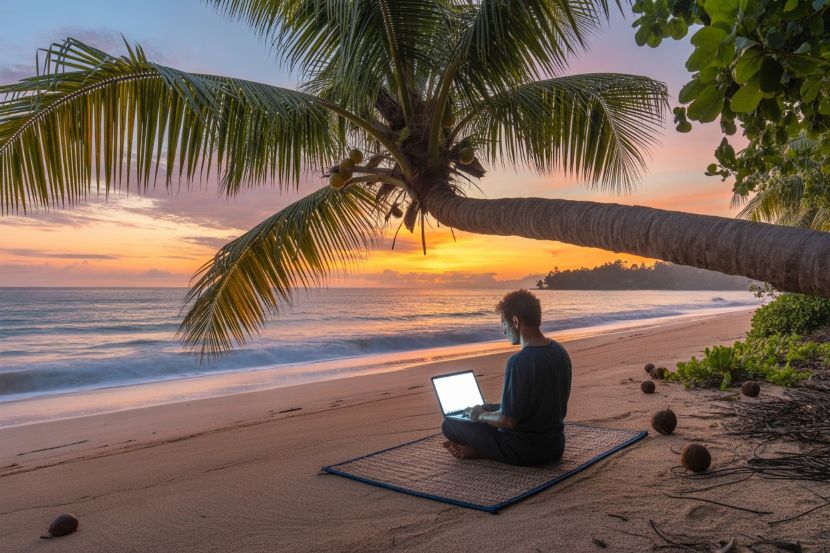
Escape to Sri Lanka: Digital Nomad Visa Unlocks the Ultimate Remote Work Dream with Beaches, Wildlife, and More!
Escape to Sri Lanka: Digital Nomad Visa Unlocks the Ultimate Remote Work Dream with Beaches, Wildlife, and More!
Sri Lanka, renowned for its pristine beaches, rich cultural heritage, and vibrant wildlife, has taken a bold step in attracting global remote workers. The island nation has officially launched its Digital Nomad Visa, offering long-term stays for remote workers, freelancers, and digital entrepreneurs. This innovative move is poised to not only boost tourism but also stimulate the country’s economy by tapping into the growing trend of remote work. Sri Lanka’s natural beauty, affordable living costs, and thriving tourism infrastructure make it a compelling destination for digital nomads seeking a work-life balance.
The Digital Nomad Visa, launched in February 2026, is part of Sri Lanka’s strategy to diversify its tourism sector and attract foreign professionals who can contribute to the local economy. By targeting the remote work community, the country aims to position itself as a leading hub for digital nomads in Asia. With more people embracing flexible work arrangements, this new visa category offers a chance for Sri Lanka to benefit from long-term stays by remote workers, who will contribute to the hospitality, service, and local business sectors.
Eligibility Criteria and Application Process
To qualify for Sri Lanka’s Digital Nomad Visa, applicants must meet a few simple requirements. The primary criterion is that remote workers must earn a minimum of USD 2,000 per month from sources outside Sri Lanka. This ensures that applicants have sufficient income to support themselves and their families during their stay on the island. Additionally, those bringing dependents will need to show an increased income, with an additional USD 500 per child.
The visa application process is straightforward, allowing applicants to submit their details online through Sri Lanka’s official immigration portal. Applicants must provide proof of employment, proof of income, and valid health insurance to cover their stay. Once approved, the visa is valid for 12 months, with the option for annual renewals, ensuring long-term flexibility for those who wish to stay for extended periods.
Economic Impact on Local Tourism
Sri Lanka’s tourism industry, which was significantly impacted by the COVID-19 pandemic, is now seeing a strong recovery. The launch of the Digital Nomad Visa is a strategic move to capitalize on this resurgence by attracting remote workers who will not only stay longer but also spend more. Unlike typical tourists who visit for short stays, digital nomads can immerse themselves in local communities, contributing to the economy for extended periods.
This shift can have a transformative effect on regional economies, particularly in areas outside the main tourist destinations. By encouraging remote workers to stay in places like Galle, Kandy, and Colombo, Sri Lanka can distribute the benefits of tourism more evenly across the country, reducing the pressure on popular spots and boosting local businesses. Digital nomads are likely to frequent cafes, co-working spaces, and boutique shops, providing much-needed support to the hospitality and retail sectors.
Moreover, remote workers will have the chance to explore Sri Lanka’s rich cultural heritage, from ancient cities like Anuradhapura and Sigiriya to the UNESCO-listed Kandy Temple. The country’s diverse landscapes, including its lush tea plantations, tropical beaches, and national parks, offer a perfect backdrop for both work and leisure. For digital nomads, it’s the ideal balance—staying productive while immersing themselves in nature, adventure, and culture.
A Unique Offer for Remote Workers
Sri Lanka is quickly emerging as a destination that offers a compelling alternative to crowded digital nomad hubs in other parts of Asia. Compared to cities like Bangkok or Bali, Sri Lanka offers a more peaceful and affordable environment with a unique blend of natural beauty, historical landmarks, and a rich cultural experience. The introduction of the Digital Nomad Visa makes it easier for remote workers to legally stay on the island, ensuring they can work in a peaceful and enriching environment while contributing to the local economy.
Co-working spaces are becoming increasingly popular in cities like Colombo and Galle, providing a modern yet laid-back environment for digital workers. With high-speed internet, modern amenities, and opportunities for networking, these spaces create an ideal setting for digital professionals to collaborate and exchange ideas. Furthermore, Sri Lanka’s welcoming community and safe environment add to its appeal as a destination for remote work.
Why Sri Lanka is Ideal for Digital Nomads
The country’s affordable cost of living is a significant draw. Compared to more expensive destinations like Singapore or Tokyo, living in Sri Lanka is highly economical, allowing digital nomads to live comfortably on their salaries. Accommodations, food, and everyday expenses are budget-friendly, making it an attractive option for remote workers looking to stretch their income while enjoying a high quality of life.
The combination of breathtaking landscapes, a rich cultural heritage, and a growing infrastructure to support remote work creates an ideal environment for digital nomads. Whether it’s enjoying a quiet beach in Mirissa, exploring the lush jungles of Sinharaja, or visiting ancient temples, Sri Lanka offers an experience that goes beyond just work—it’s about living a fulfilling life while contributing to a thriving local community.
A Win-Win for Sri Lanka’s Tourism and Economy
With the introduction of the Digital Nomad Visa, Sri Lanka is tapping into the rapidly growing remote work trend, offering digital nomads the chance to work from paradise. The visa not only presents an exciting opportunity for global professionals but also helps Sri Lanka strengthen its economy by drawing long-term visitors who will benefit local communities. As more remote workers choose Sri Lanka for their next destination, the country is poised to become one of Asia’s premier hubs for digital nomads, enriching both its tourism sector and overall economic growth.
In embracing this new visa category, Sri Lanka is opening its doors to a world of possibilities—both for remote workers and for the island itself. This initiative promises a brighter future for Sri Lanka’s tourism industry, contributing to its long-term growth and recovery.
The post Escape to Sri Lanka: Digital Nomad Visa Unlocks the Ultimate Remote Work Dream with Beaches, Wildlife, and More! appeared first on Travel And Tour World.
Source: travelandtourworld.com



Sorry, the comment form is closed at this time.