


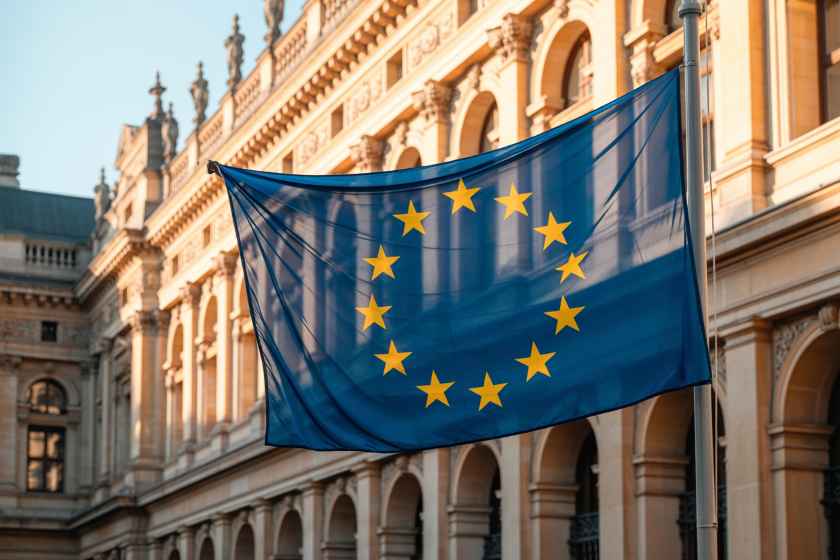
Europe Aligns France, Germany, Spain and Italy Under New Visa Strategy : What Travelers Need to Know
Europe Aligns France, Germany, Spain and Italy Under New Visa Strategy : What Travelers Need to Know
Brussels, Schengen Area, Europe is preparing for a major shift in how travelers enter and move across the continent. The European Commission has introduced two interconnected frameworks: the first-ever European Visa Strategy and a five-year Asylum and Migration Management Strategy.
Together, these plans outline how entry rules, border systems and mobility tools will evolve between 2026 and 2028. For travelers heading to destinations such as France, Italy, Spain, Greece and Germany, the changes focus on digitalization, security screening and streamlined mobility processes.
A Unified Framework for European Travel
For the first time, the European Union is presenting a structured, long-term approach to migration and visas under a single coordinated direction. The strategy builds on the Pact on Migration and Asylum and aligns national systems within a shared European framework.
From a travel perspective, this means more consistent entry procedures across the Schengen Area. The Schengen zone allows passport-free travel between participating countries once a visitor enters through an external border.
The Commission’s five-year blueprint emphasizes stronger external border management while improving digital tools that affect tourists, business travelers and students.
Visa Policy Becomes a Central Travel Tool
A significant development is the EU’s first dedicated Visa Strategy. Visa policy now sits at the intersection of tourism, security and international mobility.
For visa-required travelers, the long-term plan includes the full digitalisation of visa procedures by 2028. This transition aims to replace traditional paper-based applications with secure online systems.
For visa-exempt travelers, new screening processes are already underway.
The system known as ETIAS (European Travel Information and Authorisation System) will become fully operational by the end of 2026. Similar to the U.S. ESTA system, ETIAS will require travelers from visa-free countries to complete an online pre-travel authorisation before entering the Schengen Area.
The process will involve electronic screening before departure, allowing authorities to conduct checks before passengers board flights bound for Europe.
Entry/Exit System (EES) and Border Digitalisation
Another major component of the strategy is the rollout of the Entry/Exit System (EES). This digital border management tool will record biometric data and track entry and exit movements at external Schengen borders.
The EES will replace manual passport stamping with automated registration. For travelers, this could mean shorter queues at border checkpoints once the system is fully implemented.
Airports, seaports and land border crossings across Europe are preparing for the integration of biometric kiosks and digital verification systems. The aim is to create a harmonized and traceable border crossing experience.
Impact on Tourism Flow
Europe remains the world’s most visited region. The new visa and migration strategy is designed to manage high mobility volumes while maintaining efficient visitor processing.
For leisure travellers planning city breaks in Paris, Rome or Barcelona, ski holidays in the Alps or island escapes in Greece, entry procedures will increasingly rely on digital pre-clearance.
Visa-free travel will continue for eligible countries, but ETIAS authorisation will become mandatory before departure.
The Commission has also indicated that visa-free arrangements will be subject to strengthened monitoring mechanisms, linking mobility privileges with cooperation on security and migration management.
Talent Attraction and Mobility
Beyond tourism, the five-year strategy also focuses on attracting skilled professionals, researchers, students and entrepreneurs to Europe.
From a travel perspective, this could influence long-stay visas, student mobility programs and work-related entry procedures. European destinations competing for international students and digital talent may benefit from clearer pathways and standardised application systems.
The strategy positions legal mobility as a structured element of Europe’s broader economic competitiveness.
Coordination Across Member States
The two strategies fall under the Regulation on Asylum and Migration Management, requiring close coordination between EU institutions and member states.
Implementation will be supported by funding under the 2028–2034 Multiannual Financial Framework. Airports, consulates and digital systems across the EU will gradually align with the new structure.
Travelers can expect phased rollouts rather than immediate change. ETIAS deployment is scheduled for completion by late 2026, while full visa digitalization is projected by 2028.
What Travellers Should Expect Through 2028
If you are planning travel to the Schengen Area over the next few years, here is what to anticipate:
• Online pre-travel authorisation (ETIAS) for visa-exempt nationals
• Expanded biometric entry and exit registration under EES
• Gradual digitalisation of visa application procedures
• Greater coordination of entry standards across EU countries
For frequent travelers, the digital systems are intended to streamline repeat visits by maintaining consistent traveler records.
For first-time visitors, the emphasis will be on pre-departure compliance and online authorization before boarding flights.
A New Phase for European Mobility
The unveiling of Europe’s first Visa Strategy alongside its five-year migration framework marks a structural shift in how the continent manages cross-border movement.
The changes aim to balance mobility, tourism growth and border security under a unified European approach.
For travelers dreaming of Mediterranean coastlines, historic capitals or alpine escapes, Europe remains open. But by 2026 and beyond, entering the Schengen Area will increasingly begin long before arrival—through digital authorization, online applications and biometric registration.
The journey to Europe is evolving. And as these systems come online, travel planning will include not just booking flights and hotels—but preparing digitally for entry into one of the world’s most visited regions.
The post Europe Aligns France, Germany, Spain and Italy Under New Visa Strategy : What Travelers Need to Know appeared first on Travel And Tour World.
Source: travelandtourworld.com



Sorry, the comment form is closed at this time.