


Europe Battles the Coldest January in Over a Decade While the Southern Hemisphere Sizzles: How January 2026’s Extreme Weather Is Redefining Global Travel!
Europe Battles the Coldest January in Over a Decade While the Southern Hemisphere Sizzles: How January 2026’s Extreme Weather Is Redefining Global Travel!
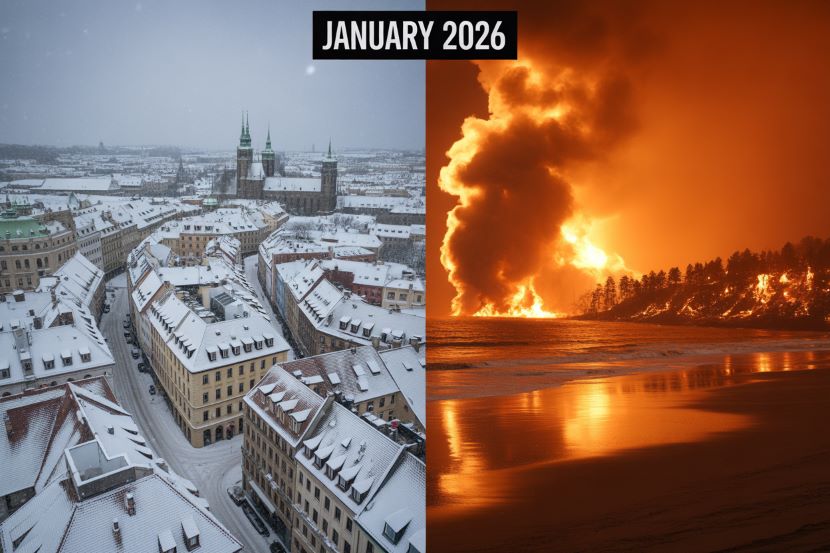
January 2026 was a month like no other — Europe froze while the Southern Hemisphere scorched under record heat. This month’s climate extremes, confirmed by Copernicus Climate Change Service data, showed the world’s weather systems reaching shocking new heights (or lows, depending on your location). As Europe battled its coldest January in more than a decade, Australia, South Africa, and other parts of the Southern Hemisphere were sweltering through unprecedented heatwaves. But what does this mean for travelers? Keep reading for the must-know details!
Europe’s Winter Nightmare: A Frigid January Unlike Any Other
Europe, typically a bustling hub for winter tourism, faced an utterly freezing start to the year. From Paris to Berlin and Rome, temperatures plummeted to well below average, leaving iconic winter destinations shrouded in snow. Ski resorts, usually thriving during the season, experienced massive snow accumulation but struggled with dangerously cold temperatures. But it wasn’t just about snow — it was about the disruption to travel plans, local infrastructure, and the overall visitor experience.
Not only did these chilly temperatures affect tourists exploring historic landmarks and winter activities, but also posed a challenge to transportation, creating delays, disruptions, and chaotic scenes at airports and train stations. For travelers headed to Christmas markets or planning ski holidays, January was the month to reconsider travel preparation.
Southern Hemisphere: A Sweltering Reality for Tourists in Australia and Beyond
While Europe was battling record-breaking cold, the Southern Hemisphere turned up the heat. Australia, South Africa, and even South America were hit by intense heatwaves that set new temperature records for the region. From the beaches of Sydney to the outback of Australia, wildfire risks soared as temperatures surpassed typical summer levels.
Tourists flocking to beach resorts or outdoor adventures in places like Cape Town or Rio de Janeiro felt the oppressive warmth firsthand, with local authorities issuing heat advisories. Visitors seeking sunshine found themselves struggling to cope with scorching temperatures, which significantly impacted their travel plans.
The Climate Crisis Is Real: Copernicus Data Confirms It
According to the official report from Copernicus, January 2026 marked the fifth-warmest January on record, with global temperatures significantly higher than usual. This unprecedented heat in the Southern Hemisphere contrasted sharply with Europe’s cold snap, demonstrating the unpredictable nature of climate extremes in our increasingly warming world.
Interestingly, official data from government climate services emphasizes that this pattern of extreme cold in the North and extreme heat in the South is becoming more common. Even in cold waves, the average global temperatures continue to climb, raising alarms for both environmentalists and tourists. So, while travelers may expect the unexpected when visiting different regions, climate resilience is now the top priority for many destinations.
What Does This Mean for Tourism in 2026?
For travelers, January 2026’s climate extremes paint a stark picture of the future of global tourism. As Europe continues to experience extreme cold and the Southern Hemisphere heats up, tourist destinations are being forced to adapt. Those seeking a winter vacation may find ski resorts and mountain getaways more challenging to access, with flight delays and transport disruptions becoming more frequent. Meanwhile, summer destinations may see unbearable heat turning potential beach escapes into heat traps.
Destinations need to rethink their seasonal appeal. Countries in Europe may have to adjust their winter tourism infrastructure, ensuring adequate heating in hotels, emergency services for extreme cold, and better weather forecasting systems for visitors. Southern Hemisphere destinations, conversely, need to tackle wildfire prevention, heat safety protocols, and water conservation efforts to ensure tourists can safely enjoy their vacations.
What Should Travelers Know for 2026?
For anyone planning a trip in 2026, it’s more important than ever to stay informed about climate forecasts and weather advisories. If you’re traveling to Europe, pack accordingly for unpredictable winter conditions, especially if you plan to visit ski resorts or explore outdoor attractions. Be prepared for sudden temperature dips, travel delays, and limited services in extreme cold.
For those venturing to Southern Hemisphere destinations, don’t forget to stay hydrated and protect yourself from the heat by wearing sunscreen, light clothing, and scheduling activities early in the day. Travelers should also be aware of increased wildfire risks and follow local guidelines for fire safety. Knowing when and where heatwaves are forecast can help you plan safer, more enjoyable travel experiences.
How Climate Extremes are Reshaping Future Travel
In conclusion, January 2026’s climate extremes—marked by Europe’s freezing cold and the Southern Hemisphere’s searing heat—underscore the growing unpredictability of the global climate system. Both travelers and tourism destinations must now consider climate resilience when planning future trips. Extreme cold in one region and searing heat in another will continue to reshape travel patterns, requiring both adaptive strategies and early planning for anyone looking to visit popular spots.
Tourism stakeholders, from local governments to travel agencies, must prioritize sustainable travel practices to keep their destinations not just attractive, but also safe for future generations. So, the question for 2026 and beyond is clear: how will the tourism industry adapt to an era of increasingly extreme weather events?
The post Europe Battles the Coldest January in Over a Decade While the Southern Hemisphere Sizzles: How January 2026’s Extreme Weather Is Redefining Global Travel! appeared first on Travel And Tour World.
Source: travelandtourworld.com



Sorry, the comment form is closed at this time.