


Experience the Ultimate Winter in South Korea: From Seoul’s Glittering Streets to Jeju’s Coastal Charm and Snowy Escapes
Experience the Ultimate Winter in South Korea: From Seoul’s Glittering Streets to Jeju’s Coastal Charm and Snowy Escapes
South Korea is fast becoming one of the most exciting winter destinations in the world. The country’s winter travel appeal is growing strongly among international tourists. Travellers are no longer avoiding the cold season. Instead, they are embracing it. Snowy scenery, glowing cities, warm food, and lively festivals are turning winter into a peak travel period. From busy capitals to calm coastal towns, South Korea offers a winter experience that feels both exciting and comforting for global visitors.
Why Winter Is Now a Prime Travel Season in South Korea
Winter travel in South Korea has changed. It is no longer seen as quiet or difficult. Tourism planning, transport, and attractions now fully support winter visitors. Cities stay active day and night. Attractions remain open. Festivals fill the calendar. This shift has increased South Korea’s winter travel appeal for families, couples, and solo travellers. Cold weather does not stop exploration. Instead, it adds atmosphere. Snow makes landmarks more beautiful. Night lights feel brighter. Winter turns everyday places into memorable experiences.
Seoul Leads the Winter Travel Movement
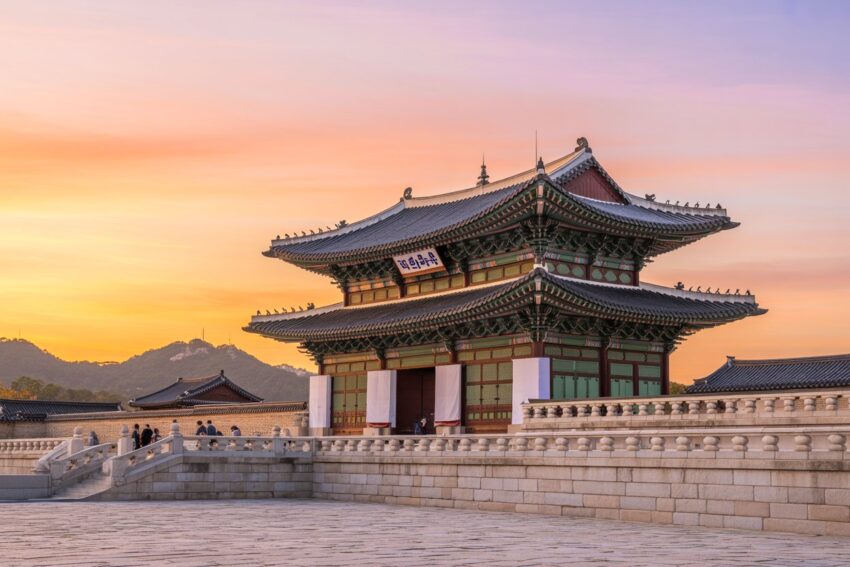
Seoul sits at the heart of South Korea’s winter tourism growth. The capital becomes a festival city during the colder months. Streets glow with decorative lights. Ice skating rinks appear near landmarks. Markets offer hot snacks and warm drinks. Museums and palaces remain open and less crowded. This balance of culture and comfort strengthens South Korea’s winter travel appeal. Travellers can explore history by day and enjoy lively nightlife by evening. Seoul offers safety, convenience, and endless things to do, even in freezing temperatures.
Jeju Island Brings a Softer Side of Winter
Jeju Island adds a different flavour to winter travel. The island experiences milder temperatures than mainland regions. This attracts travellers who want winter without heavy snow. Coastal walks, volcanic landscapes, and peaceful villages define Jeju’s seasonal charm. Winter also brings unique natural sights, such as seasonal flowers and clear sea views. Jeju’s relaxed pace boosts South Korea’s winter travel appeal by offering balance. Visitors can escape busy cities while still enjoying local culture, food, and scenic beauty.
Busan and Coastal Cities Add Warmth to the Cold Season
Busan plays a key role in winter tourism growth. As a coastal city, it blends sea views with urban comfort. Beaches remain popular for walks and photography. Seafood markets become highlights during winter months. Cafés, cultural centres, and hot spring areas stay busy. The cooler weather makes sightseeing easier and more enjoyable. This coastal energy strengthens South Korea’s winter travel appeal by offering a winter experience without isolation. Visitors enjoy open spaces, fresh air, and relaxed city life.
Snow Regions Attract Adventure Seekers
Mountain and snow regions attract travellers looking for classic winter adventures. Snow festivals, ski resorts, and winter markets create excitement. Ice fishing, snow sculptures, and outdoor events offer unique memories. These experiences add depth to South Korea’s winter travel appeal. Adventure tourism grows alongside cultural travel. Visitors enjoy nature during the day and return to warm food and accommodation at night. This mix of thrill and comfort appeals to modern travellers seeking meaningful seasonal journeys.
Food Culture Makes Winter Travel Comforting
Food plays a powerful role in winter travel. South Korea’s winter cuisine is warm, rich, and satisfying. Hot stews, grilled dishes, and street snacks help travellers stay comfortable. Food markets feel lively in cold weather. Eating becomes a social experience. Seasonal seafood and regional dishes add variety. This strong food culture increases South Korea’s winter travel appeal by turning meals into highlights. Travellers remember flavours as much as places. Winter food connects visitors to local life.
Winter Festivals Strengthen Cultural Tourism
Festivals are a major reason winter tourism is growing. Seasonal events celebrate snow, food, and local traditions. They bring communities together and welcome visitors. These festivals transform cold weather into celebration. Cultural performances, outdoor games, and light displays attract travellers from different countries. This focus on shared experiences enhances South Korea’s winter travel appeal. Visitors feel included rather than isolated. Winter becomes joyful rather than challenging.
Why Global Travellers Are Choosing South Korea in Winter
Global travellers now value experiences over seasons. They seek authenticity, comfort, and stories worth sharing. South Korea offers all three in winter. Efficient transport, safety, and hospitality support tourism growth. Short travel distances allow visitors to explore multiple regions easily. The country’s winter travel appeal continues to rise because it meets modern traveller expectations. It delivers beauty, culture, adventure, and warmth during the coldest months.
A Strong Future for South Korea’s Winter Tourism
South Korea’s winter travel appeal is no longer a trend. It is becoming a long-term tourism strength. As travellers search for new seasonal experiences, winter in South Korea stands out. The country has turned cold weather into an advantage. For global tourists planning future journeys, South Korea now shines brightest when temperatures drop.
The post Experience the Ultimate Winter in South Korea: From Seoul’s Glittering Streets to Jeju’s Coastal Charm and Snowy Escapes appeared first on Travel And Tour World.
Source: travelandtourworld.com

Sorry, the comment form is closed at this time.