


Exploring the Growth of Tourism in Bohol, Panglao, and Chocolate Hills: What 2025’s Surge in Foreign Visitors Means for the Future of Philippine Travel
Exploring the Growth of Tourism in Bohol, Panglao, and Chocolate Hills: What 2025’s Surge in Foreign Visitors Means for the Future of Philippine Travel
In 2025, Bohol, one of the Philippines’ most cherished destinations, experienced a remarkable surge in tourism, registering a 4.18% increase in foreign and domestic arrivals, with a total of 1,427,362 visitors. This growth underscores the resilience of the province, particularly as it faces global challenges such as economic uncertainties and regional competition. Leading the charge in this growth were foreign tourists, accounting for nearly 41% of the total visitors, with significant contributions from South Korea, China, Taiwan, and the United States. Bohol’s tourism landscape continues to expand beyond its well-known Panglao Island, with attractions like the Chocolate Hills Complex and Quinale Beach gaining greater recognition. The province’s efforts in diversifying its tourism offerings, along with its status as a UNESCO Global Geopark, have strengthened its reputation as a premier and sustainable travel destination.
A Record-Breaking Year for Bohol Tourism
In a standout year for the Philippine tourism industry, Bohol achieved a substantial boost in visitor numbers, reaching a total of 1.43 million tourist arrivals in 2025. Despite facing global economic challenges and stiff competition from neighboring regions, the province successfully posted a 4.18% growth rate compared to the previous year. This success is largely attributed to Bohol’s ability to appeal to international travelers, with foreign arrivals witnessing an impressive 14.75% growth. The increase comes as part of Bohol’s ongoing efforts to capture a wider audience, not just from traditional markets like South Korea and China, but also from less-represented regions such as France, Russia, and Australia.
The Dominance of International Markets
While domestic tourism still made up the majority of visitors, accounting for about 59% of the total, the international segment outpaced it in terms of growth. The decline in domestic travelers—around 3.3% compared to the previous year—was mainly due to shifting travel patterns, with more Filipinos opting for international travel. This shift was evident in national data, showing that more Filipinos traveled abroad than the number of foreigners visiting the Philippines during the same period.
On the other hand, the foreign market has proven to be an essential pillar for Bohol’s tourism recovery. Tourists from South Korea, China, and the United States represented the top source markets, but there was also a notable influx from Taiwan, France, and other European nations. The growth from Spain, Russia, and Australia demonstrated the province’s expanding appeal in more diverse regions.
Bohol’s Expanding Global Profile
The province’s tourism authorities are also making concerted efforts to expand Bohol’s international footprint, including participation in travel fairs and trade missions that showcase the province’s diverse offerings. One of the most significant factors contributing to this growth is the province’s UNESCO Global Geopark designation, which has significantly boosted Bohol’s image as a premium travel destination. The Geopark status is not only an environmental accolade but also an invitation for travelers seeking sustainable tourism experiences, offering eco-tourism and nature-based adventures.
One exciting development for 2026 is the charter flights from Japan set to begin in May. These flights will target high-value, culturally aligned tourists, and further position Bohol as a gateway for travelers seeking unique and sustainable experiences.
Key Tourism Sites and Infrastructure Expansion
Bohol’s tourism infrastructure also saw significant improvements in 2025, with a marked growth in accommodation options. The number of registered hotels and resorts reached 1,034, up from 976 in the previous year, reflecting the province’s growing tourism appeal. Of these establishments, the proportion of those meeting accreditation standards also increased from 20% to 25%, which suggests an effort to raise quality and service standards.
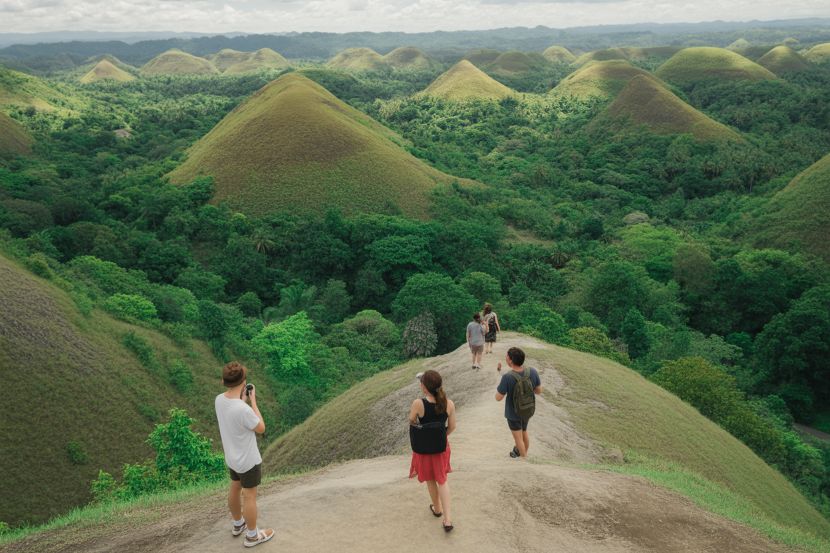
The Chocolate Hills Complex in Carmen remains the most visited site, with its unique geological formations attracting tourists from all over the world. However, the Quinale Beach in Anda has also grown in popularity, showcasing Bohol’s drive to spread tourism beyond Panglao Island. These efforts are essential for diversifying the tourism experience and ensuring that local economies in other parts of the province benefit from the influx of visitors.
The Growing Meetings and Events Sector
Bohol has also carved a niche in the Meetings, Incentives, Conferences, and Exhibitions (MICE) sector, which is an essential component of its tourism strategy. The province has been selected to host major international events, including high-level ASEAN meetings in 2026. This underscores Bohol’s capacity to meet international standards in infrastructure, security, and service delivery, making it an ideal destination for corporate travel and large-scale events.
Looking Ahead: 2026 and Beyond
For 2026, Bohol’s tourism plans are aimed at reinforcing its reputation as a sustainable destination while also focusing on the development of new tourism products. The Bohol Provincial Tourism Office (BPTO) plans to strengthen existing geotourism circuits, along with gastronomy, cultural heritage, and arts trails that will attract travelers seeking diverse and authentic experiences.
Efforts will continue to promote community-based tourism, fostering collaborations between local businesses, the government, and private stakeholders. Additionally, the tourism office plans to make use of influencer engagement and enhanced MICE opportunities to draw in younger and international travelers.
Travel Tips for Tourists Heading to Bohol
For those planning a trip to Bohol in 2026, here are some travel tips to enhance your experience:
Pack Light and Comfortable: With many attractions involving walking or hiking (like Chocolate Hills), it’s best to wear comfortable shoes and clothing.
Book Accommodation Early: With the rise in tourism, booking your stay in advance can help you secure the best deals, especially in peak seasons.
Explore Beyond Panglao: While Panglao Island is popular, consider visiting lesser-known areas like Anda and Loay to discover unspoiled beaches and hidden gems.
Respect Nature: As a UNESCO Global Geopark, it’s essential to respect local environmental guidelines to help preserve Bohol’s unique landscapes.
Final Thoughts: Bohol’s Tourism Resilience
Bohol’s tourism sector continues to thrive and adapt, even in the face of global challenges. With robust growth in international arrivals, enhanced infrastructure, and a strong commitment to sustainability, Bohol is poised to remain one of the top destinations in the Philippines for years to come. As the province pushes forward with its diverse tourism offerings and sustainable initiatives, it remains an attractive place for travelers looking for both adventure and tranquility in one of Southeast Asia’s most stunning destinations.
The post Exploring the Growth of Tourism in Bohol, Panglao, and Chocolate Hills: What 2025’s Surge in Foreign Visitors Means for the Future of Philippine Travel appeared first on Travel And Tour World.
Source: travelandtourworld.com



Sorry, the comment form is closed at this time.