


FCDO Updates Travel Advice for Eight Countries Amid Middle East Crisis – Israel, Kuwait, Lebanon, and Others Affected
FCDO Updates Travel Advice for Eight Countries Amid Middle East Crisis – Israel, Kuwait, Lebanon, and Others Affected
In response to the ongoing geopolitical tensions and escalating crisis in the Middle East, the UK Foreign, Commonwealth & Development Office (FCDO) has issued updated travel guidance for eight countries. This latest update, effective from March 6, 2026, specifically targets Israel, Lebanon, Palestine, Kuwait, Azerbaijan, Pakistan, Bangladesh, and Jordan. The revisions come as part of the government’s ongoing efforts to ensure the safety of British citizens in the region amidst heightened risks from military conflicts, terrorist activity, and regional instability.
The update includes significant changes to travel restrictions, with “do not travel” advisories now placed on certain countries, and others receiving modified instructions for departure. This new guidance is critical for both leisure tourists and business travelers planning trips to the Middle East or already present in the affected countries.
Key Updates on Travel Advice for Israel, Lebanon, and Kuwait
The FCDO’s new guidance imposes travel restrictions on several countries with a high volume of British visitors and business activities. Among the most significant updates are the “do not travel” advisories for Israel and Palestine due to the ongoing conflict and security threats. British tourists and business travelers are being strongly advised to stay clear of these areas unless absolutely necessary.
For Lebanon, where the political and security situation remains volatile, the FCDO is urging British nationals to register their presence with the embassy upon arrival. The FCDO has emphasized that travelers should be prepared for sudden disruptions, including potential protests or civil unrest.
In Kuwait, the FCDO has issued a warning against all but essential travel, citing ongoing terrorism risks in the country. The FCDO now advises travelers to review their safety precautions and follow any updates on security risks available through official channels.
Impact on Business and Leisure Travel
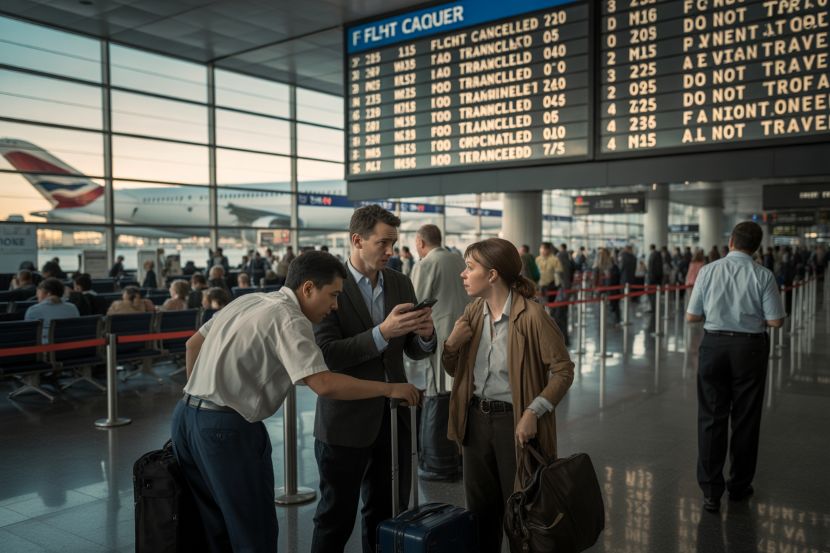
The escalation of tensions in the Middle East is having a significant impact on both leisure tourism and business travel. For tourists, the updated FCDO advice serves as a strong deterrent for travel to these regions, particularly Israel, Lebanon, and Palestine, where violence and disruptions are common. Several airlines, including British Airways and Air France, have already adjusted their flight schedules, either suspending services or rerouting flights to avoid conflict zones.
For business travelers, the situation presents logistical challenges. Many multinational companies with operations in the affected countries are now forced to reconsider travel plans and adjust their schedules accordingly. International events, meetings, and conferences may be delayed or moved to alternative destinations, as security concerns become a primary focus for business leaders.
The FCDO has also recommended that all Britons in the affected countries stay in close contact with local authorities and check for updates on the security situation regularly. Travelers are advised to monitor local news and government websites, especially as the political and security landscape in the region may change rapidly.
Step-by-Step Guidelines for British Travelers
For those planning travel to Israel, Palestine, Lebanon, Kuwait, or other affected countries, the FCDO has outlined several critical steps to ensure safety and preparedness. Below are the key actions that British nationals should take:
Register with the FCDO:
If you are already in Lebanon, Kuwait, or any of the affected countries, immediately register your presence with the British Embassy. This step is crucial for receiving timely updates and assistance during any emergency.
Monitor Flight Updates:
Stay informed about any changes to flight schedules. Airlines may adjust routes, cancel services, or re-route flights due to security concerns or airspace restrictions. Check your airline’s website for real-time information on flight statuses.
Review Insurance Policies:
Ensure that your travel insurance policy covers the ongoing risks in the region. Some insurers may exclude coverage for travel to conflict zones, so it is essential to clarify the terms with your provider.
Stay Informed on Local Conditions:
Keep up with local news and FCDO updates regarding the situation in your destination. Follow government advice on potential evacuation routes or travel restrictions.
Have Contingency Plans Ready:
In case the situation escalates further, have a contingency plan in place. This may include having emergency contacts, knowing the nearest safe evacuation points, and ensuring that your travel documents are accessible.
Additional Information for Tourists and Business Travelers
Given the heightened tensions in the Middle East, British tourists and business travelers should be aware that the travel disruptions may last longer than initially anticipated. The FCDO has stated that the situation could worsen without warning, and British nationals should be prepared for unexpected changes to their travel plans.
Travelers should also be cautious of regional risks, including demonstrations, protests, and possible travel bans, which could significantly affect mobility within the affected countries. For tourists, it is advisable to postpone any non-essential travel to these regions and instead consider safer, alternative destinations.
For those currently in the region, the FCDO recommends taking practical precautions. This includes limiting travel within cities, avoiding large gatherings, and staying in communication with local authorities. Travelers should also ensure they have enough supplies of essential items, including water, food, and mobile phone charging options, to mitigate any disruptions caused by power outages or shortages.
Travel Tip Summary:
Do not travel to countries under “do not travel” advisories (Israel, Palestine).
Register your presence with the British Embassy if you’re in Lebanon, Kuwait, or Jordan.
Monitor flight and security updates regularly.
Ensure your insurance covers regional risks.
Prepare for potential evacuation in case the situation worsens.
Conclusion
The ongoing geopolitical tensions in the Middle East have prompted the UK Foreign Office to revise its travel advice for several countries, including Israel, Lebanon, Kuwait, and Palestine. For British tourists and business travelers, this means heightened risks, flight cancellations, and disruptions in local services. Travelers are urged to stay informed, register with the FCDO, and take the necessary precautions to ensure their safety. The situation remains fluid, and the FCDO has stressed that all travelers should remain flexible and ready to adjust their plans as new information becomes available. For those still planning to visit the region, monitoring official advice and preparing for unforeseen disruptions will be essential in navigating these challenging times.
The post FCDO Updates Travel Advice for Eight Countries Amid Middle East Crisis – Israel, Kuwait, Lebanon, and Others Affected appeared first on Travel And Tour World.
Source: travelandtourworld.com



Sorry, the comment form is closed at this time.