


Frankfurt Tourism Sector Drives Economic Resilience and Creates New Opportunities, Enhancing the City’s Global Status as a Leading Destination for Business
Frankfurt Tourism Sector Drives Economic Resilience and Creates New Opportunities, Enhancing the City’s Global Status as a Leading Destination for Business
Frankfurt’s tourism sector is a key driver of economic resilience, creating new opportunities and reinforcing the city’s position as a top business hub. With its robust infrastructure, world-class conventions, and growing number of international visitors, the city is strengthening its global reputation. The tourism industry not only supports local businesses but also plays a crucial role in attracting corporate events, conferences, and high-level meetings, making Frankfurt a key player in the global business landscape. This strategic focus on business tourism is propelling the city’s growth and enhancing its status on the world stage.
The “Economic Impact of Tourism in Frankfurt am Main” part of a series launched in 2013, provides a detailed look at the tourism landscape in the city. The latest edition, published in 2024, shows that Frankfurt achieved a remarkable 71.4 million guest days, a milestone that the DWIF (German Economic Institute for Tourism) highlights as a notable achievement. This figure cements Frankfurt’s position as the leader in tourism intensity among major German cities, a metric that compares visitor numbers against the city’s population size.
The city’s visitor profile is diverse, with day visitors accounting for a significant 75% of total guest days. These visitors typically make short trips to Frankfurt. On the other hand, overnight guests represent 25% of total guest days. The total number of overnight stays in official accommodations was estimated at 11.1 million, while 6.5 million additional stays occurred in private homes or with relatives. This indicates a substantial portion of visitors choose to stay with family or friends, further expanding the tourism footprint.
Spending patterns among different types of visitors show stark contrasts. The average daily spending per guest is 69 euros. However, overnight visitors, who tend to spend more time in the city, contribute far more to the economy, spending an average of 224 euros per day. In comparison, day visitors spend just under 40 euros each day. This disparity is a critical insight into how tourism revenues are distributed across the city.
The economic impact of these tourism expenditures is felt across various sectors. The hotel and restaurant industries benefit the most, receiving the bulk of spending. However, other sectors also see positive effects, such as cultural institutions, public transport providers, and retailers. Even regional visitors who come to Frankfurt for a day contribute to the catering sector. This highlights how day visitors, despite spending less, still play a role in sustaining local businesses.
A concerning trend noted in the report is the decline in regional day tourism. Since 2019, the number of regional day visitors has dropped by more than 20%, a trend that mirrors broader challenges facing the hospitality sector across Germany. This decline has been attributed to various factors, including changes in travel habits, shifting economic conditions, and competition from other leisure destinations. The decrease in day visitors could impact businesses that rely on this segment, such as local restaurants and public transport providers.
The study also explored local attitudes toward tourism, which was gauged through a representative citizen survey conducted in June. The survey revealed that most residents view tourism in a positive light, with 55% of respondents expressing favorable opinions. However, 8% of residents see tourism as a negative factor, citing issues such as overcrowding and traffic congestion caused by visitors. This sentiment is often more pronounced among younger residents, who tend to be more critical of the influx of tourists.
Day visitors, in particular, received less support from residents, with concerns focusing on the disruptions caused by their arrival and departure. The increased number of short-term visitors has contributed to congestion in certain areas, leading to dissatisfaction among residents. This tension underscores the need for better management of tourism flows and a balanced approach to meeting the needs of both visitors and local communities.
In response to the concerns raised, the survey found that a majority of residents (67%) feel that improved traffic management and transportation solutions should be a priority for local authorities. Efficient public transport systems and better infrastructure to handle the increased flow of visitors would help mitigate some of the challenges associated with high tourism volumes. By addressing these issues, the city could enhance both the visitor experience and the quality of life for residents.
Frankfurt’s tourism potential continues to grow, as evidenced by its recognition by “Condé Nast Traveller,” which named the city a top destination for 2026. Frankfurt was listed alongside other global cities like Vancouver, Cape Town, and Kyoto, a testament to its growing appeal. The city’s vibrant cultural scene, modern infrastructure, and business prominence are central to this recognition. Frankfurt’s role as the World Design Capital for 2026 will also bring international attention, as it hosts events under the theme “Design for Democracy.” These events will further enhance the city’s reputation as a dynamic, forward-thinking destination.
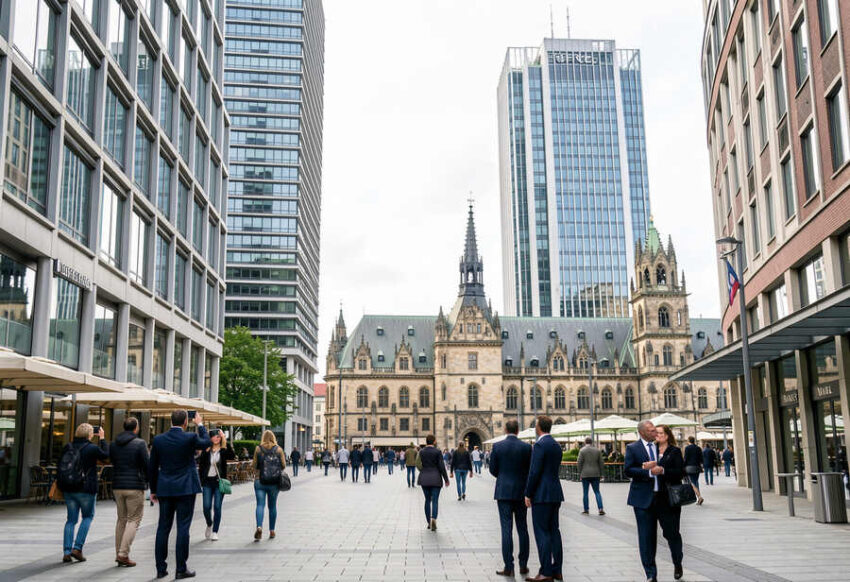
Frankfurt’s appeal is a unique blend of its business hub status and its leisure offerings. The city’s skyline, the newly reconstructed Altstadt (Old Town), and its wealth of museums, events, and riverfront attractions all contribute to its tourism success. The city’s ability to balance business and leisure is a key element that attracts both corporate travelers and tourists seeking cultural experiences.
Looking ahead, Frankfurt’s tourism sector appears well-positioned for continued growth. Economic data and local sentiments suggest a bright future for the industry, with increasing international attention on the city. However, challenges remain, particularly in terms of managing the flow of visitors and mitigating the impact of tourism on local residents. As the city prepares for even greater global visibility, it will need to address traffic congestion and adapt to changing visitor preferences.
Frankfurt’s tourism sector strengthens economic resilience and creates new opportunities, solidifying the city’s reputation as a global business hub through its world-class infrastructure and international appeal.
Tourism is a significant driver of economic activity in Frankfurt, contributing nearly five billion euros annually. The sector not only bolsters the city’s economy but also plays a crucial role in enhancing its global profile. For Frankfurt to maintain its tourism success, city leaders must ensure that tourism growth is sustainable, inclusive, and beneficial to both visitors and residents alike.
The post Frankfurt Tourism Sector Drives Economic Resilience and Creates New Opportunities, Enhancing the City’s Global Status as a Leading Destination for Business appeared first on Travel And Tour World.
Source: travelandtourworld.com

Sorry, the comment form is closed at this time.