


GCC Countries UAE, Saudi Arabia, Oman, Bahrain, Kuwait And Qatar Are Transforming Regional Travel : Get the Inside Scoop Of This New Era
GCC Countries UAE, Saudi Arabia, Oman, Bahrain, Kuwait And Qatar Are Transforming Regional Travel : Get the Inside Scoop Of This New Era
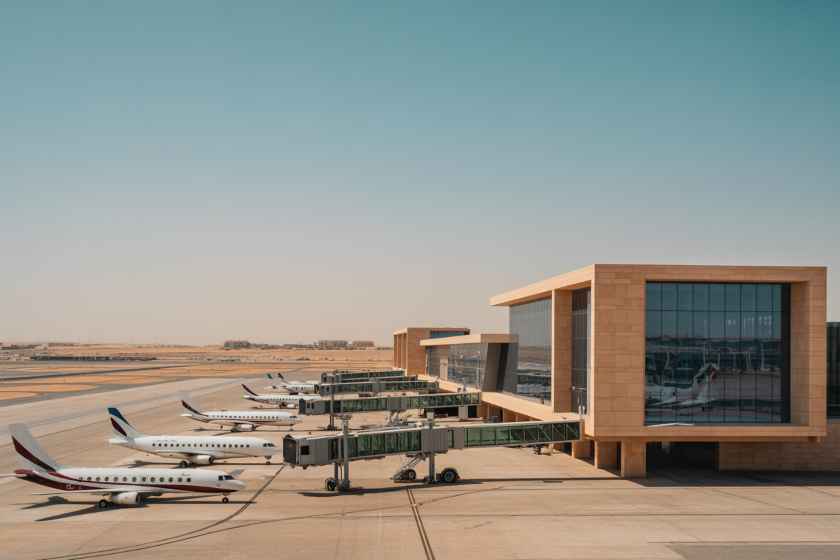
In 2025, secondary airports across the Gulf Cooperation Council (GCC) have emerged as key players in reshaping how travelers navigate the region. Historically dominated by mega-hubs like Dubai International, Riyadh King Khalid, and Jeddah King Abdulaziz, the region’s aviation landscape has seen a significant shift. Secondary airports, often seen as overflow options, are now thriving with new routes, more efficient services, and an expanding traveler base. This transformation is not only changing how people travel within the GCC but also enhancing access to regional and international destinations.
The rise of Sharjah International and Ras Al Khaimah International, among others, is a clear sign of this evolution. In 2025, Sharjah International handled nearly 19.5 million passengers, marking a 13.9% increase over the previous year. Meanwhile, Ras Al Khaimah International surpassed 1 million passengers for the first time, cementing its status as an emerging gateway. This shift highlights the growing demand for alternative travel routes and better options for passengers seeking convenient, less congested airports.
The Shift Toward Efficiency and Choice
This shift toward secondary airports represents more than just the expansion of flight routes; it reflects a changing mentality among travelers. Instead of relying solely on large, often crowded hubs, passengers are now gravitating towards airports offering greater efficiency, quicker processing, and fewer crowds. As travel demand grows, particularly in peak months like July, August, and October, secondary airports provide an attractive alternative. Travelers now have the option to choose airports that allow for smarter, faster, and more comfortable travel experiences without sacrificing convenience.
In 2025, 32.4% of all GCC travel originated from secondary airports, a notable rise compared to previous years. This trend underscores the growing importance of these airports as travelers seek more affordable, efficient, and streamlined options. The enhanced accessibility provided by smaller airports is helping shift the focus from the larger, often congested hubs to more nimble alternatives.
Luxury and Convenience in Smaller Airports
An unexpected but significant trend has emerged: premium travelers are increasingly choosing secondary airports. In 2025, 47% of premium travel took place outside of the region’s traditional top three airports, marking a sharp departure from the past when luxury travelers primarily flocked to major hubs. Smaller airports are now redefining what it means to offer premium services. Luxury travelers are opting for fewer crowds, faster check-ins, and more efficient security procedures, instead of chasing expansive lounges and opulent terminals.
One of the key drivers behind this shift is the Fast Track service, which has seen a 1,010% surge in usage. This service allows passengers to bypass long lines, emphasizing the importance of time and convenience in today’s travel landscape. As travelers become more time-conscious and service-oriented, smaller airports are becoming increasingly attractive for those who seek to balance luxury with practicality.
Key Growth Markets for GCC’s Secondary Airports
The development of secondary airports is being fueled by several factors. These airports often offer affordable fares, catering to travelers looking for more cost-effective options without compromising on quality. Sharjah, for example, serves as a key low-cost hub, with routes to Europe, South Asia, and Africa. Similarly, Ras Al Khaimah has grown as a popular destination for both leisure travelers and business travelers looking for quick access to the UAE’s more relaxed, natural attractions.
Smaller airports also cater to secondary and diaspora markets, offering direct flights to regional destinations without requiring detours through larger hubs. For example, flights from Ras Al Khaimah and Sharjah to Bahrain or Oman are seeing increased demand as these airports provide an attractive option for travelers seeking direct routes without the high costs associated with major airports.
Enhanced Connectivity Across the GCC
The rise of secondary airports is also helping to enhance regional connectivity across the GCC. Airlines are increasingly offering flights from smaller airports to destinations that were previously underserved. New routes from Sharjah and Ras Al Khaimah to Oman, Saudi Arabia, and other neighboring countries are facilitating easier travel between these regions, which is crucial for both business and tourism. Additionally, airports in the Saudi Arabian region, such as Dammam and Medina, are seeing expanded routes, which are directly contributing to the greater integration of the GCC’s aviation network.
The broader accessibility of flights from secondary airports is opening up a range of opportunities for travelers to visit new and exciting destinations across the GCC. Whether it’s exploring the beaches of Oman, the mountains of Bahrain, or the heritage sites in Saudi Arabia, travelers now have more ways to experience the region’s rich diversity.
The Future of Aviation in the GCC
As infrastructure continues to develop, airports such as Sharjah, Ras Al Khaimah, and Kuwait are becoming integral to the region’s tourism and aviation industries. The growing popularity of these secondary airports signals a shift toward a more decentralized aviation network, where convenience, affordability, and efficiency are at the forefront.
This change is not only beneficial for travelers but also provides airlines with new opportunities to expand their networks and optimize their operations. Smaller airports offer airlines the chance to tap into new markets, reduce congestion at major hubs, and ultimately offer better travel options to customers.
Conclusion: The Rise of Secondary Airports in the GCC
The quiet revolution in GCC aviation, led by the rise of secondary airports, is reshaping the region’s travel landscape. With an increase in passenger demand, better accessibility, and a shift toward efficiency and choice, these airports are setting the stage for a new era in travel across the GCC. For tourists, this means more options, better experiences, and greater access to the region’s top destinations.
As the aviation infrastructure evolves, secondary airports are proving that smaller can indeed be smarter, and their role in the future of GCC tourism is only set to grow.
The post GCC Countries UAE, Saudi Arabia, Oman, Bahrain, Kuwait And Qatar Are Transforming Regional Travel : Get the Inside Scoop Of This New Era appeared first on Travel And Tour World.
Source: travelandtourworld.com



Sorry, the comment form is closed at this time.