


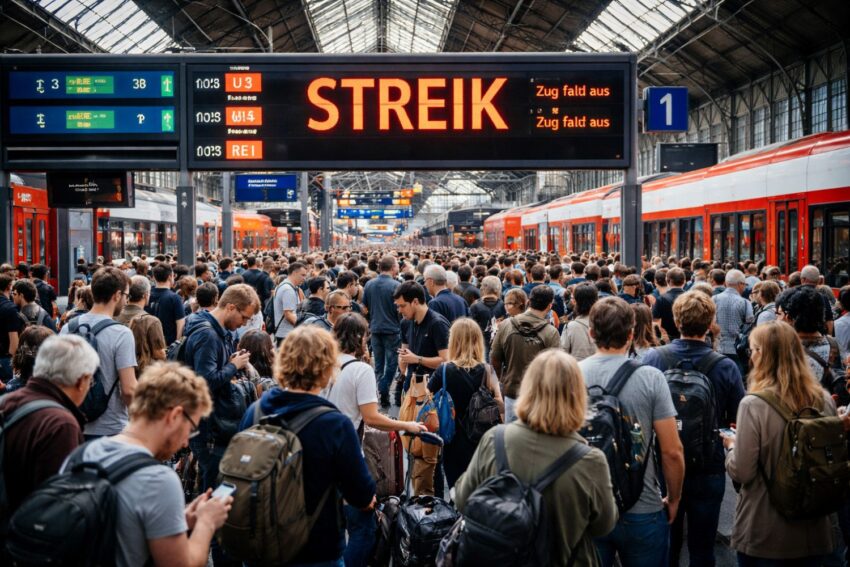
Germany’s Largest Public Transport Strike in Years Begins, Causing Major Disturbances in Cities Like Berlin, Hamburg, and Munich, Affecting Millions of Travelers: What Travelers Need to Know Now
Germany’s Largest Public Transport Strike in Years Begins, Causing Major Disturbances in Cities Like Berlin, Hamburg, and Munich, Affecting Millions of Travelers: What Travelers Need to Know Now
Germany, known for its efficient and reliable public transport system, is now facing an unprecedented disruption with a two-day strike scheduled to begin on Friday, February 27, 2026. The strike, called by the Verdi union, represents a significant push from workers advocating for better salaries and improved working conditions in the transport sector. This industrial action is expected to create widespread chaos, affecting millions of passengers across the country, especially in major cities like Berlin, Hamburg, and beyond.
The 48-hour strike will impact multiple modes of transportation, including local buses, trams, and U-Bahn trains (subways), with passengers across Germany urged to prepare for severe delays and cancellations. Despite these disruptions, Germany’s nationwide railway services, such as the S-Bahn, regional trains, and long-distance services (including ICE and IC), are expected to operate as normal. However, travelers should be aware that ripple effects may still cause unexpected delays.
The Verdi union, which represents approximately 100,000 workers employed across 150 transport companies, announced the strike after negotiations over annual salary increases and working conditions stalled. The union’s move to escalate the situation through a large-scale walkout comes after months of frustration with employers who, according to Verdi, have failed to meet workers’ demands.
The Impact of the Strike on Germany’s Public Transport System
Germany is renowned for its well-functioning and punctual public transport system, with millions of people relying on trains, buses, and trams to commute daily. The 48-hour public transport strike threatens to bring the country’s transportation system to a halt, causing immense disruption for both commuters and tourists.
The affected services will include:
Local buses and trams: Serving major cities like Berlin, Hamburg, Frankfurt, and Munich, these services are vital for everyday commutes and short-distance travel.
U-Bahn and S-Bahn trains: These subway and suburban train services are the backbone of urban transportation, with many passengers relying on them for daily commuting and business travel.
Regional trains: Connecting cities and towns across Germany, these trains serve as essential links for both short and long-distance travel.
While long-distance trains operated by Deutsche Bahn (DB), such as ICE and IC services, are expected to run without interruptions, travelers may still face challenges in making connections and managing travel plans, as delays from the regional and local transport strike may cause ripple effects throughout the network.
How Tourists and Commuters Can Navigate the Disruptions
For tourists visiting Germany, navigating the country’s travel disruptions may require some adjustments to their itineraries. Tourists who had planned to use local buses or trams for sightseeing or getting around may need to seek alternative transportation options. Some options include:
Ridesharing services: Apps like Uber or local taxi services may see increased demand during the strike, though fares could rise due to the surge in passengers.
Bicycle rentals: Many cities in Germany offer bike-sharing programs, which can be a convenient way to get around during transport disruptions.
Car rentals: For those who are unfamiliar with cycling or want more flexibility, renting a car could be a viable solution for travel within the cities or for day trips to nearby attractions.
Commuters who depend on public transport for their daily routines should consider making alternative arrangements for their work commute. With trains and buses expected to be significantly reduced or entirely unavailable in certain areas, commuters may need to leave earlier, rely on carpooling, or use alternative public transport systems.
Verdi Union’s Statement and the Demands Behind the Strike
The Verdi union, representing a significant portion of Germany’s public transport workforce, has made it clear that the strike is a result of stalled negotiations over fair compensation and working conditions. According to Christine Behle, the deputy chair of Verdi, the current situation reflects a need for urgent relief for workers in the sector. She emphasized that without decisive improvements to working conditions, public transport services will struggle to remain sustainable in the long run.
In early February, a similar, smaller walkout had already caused significant disruption across Germany. The continuation of this strike is part of the union’s broader strategy to apply pressure on employers and ensure that workers’ needs are met. With transport workers expressing frustration over stagnant wages and long working hours, this action highlights the growing demand for fair treatment within the public transport sector.
The union’s ultimate goal is to ensure that workers receive equitable pay and improved conditions that reflect the demands of the modern transport industry, which has seen an increase in passenger numbers and expectations. The strikes are also intended to ensure that public transport remains a viable and sustainable service for years to come.
Travelers’ Guide: What to Expect and How to Stay Prepared
Travelers who plan to visit Germany during the strike should stay informed about any last-minute changes to transport schedules. Here’s what they should expect:
Plan for Extra Travel Time: Given the widespread disruptions, it’s essential to allow extra time for travel. Even services that continue to run may experience delays, so keeping a flexible schedule will be key.
Check Real-Time Updates: Use real-time apps such as DB Navigator for train services and the BVG app for local public transport in Berlin. These apps will provide updates on cancellations and delays.
Alternative Travel Routes: For those traveling between cities, long-distance train services like the ICE and IC trains will still operate. However, delays may occur, so travelers should check for potential ripple effects on their connections.
Consider Accommodation Near Major Stations: If you’re traveling to Germany for a short stay, booking accommodation close to the main train stations (like Hauptbahnhof) may help you avoid long delays and make it easier to adjust to any transport changes.
A Look Ahead: The Future of Germany’s Public Transport Negotiations
The 48-hour strike may serve as a turning point in the negotiations between the Verdi union and transport employers, but it remains to be seen whether a resolution will be reached in time to prevent future disruptions. As discussions continue, both parties will likely seek to find common ground on workers’ compensation and conditions, ensuring that Germany’s public transport services can continue to serve the needs of millions of passengers each day.
In the meantime, Germany’s tourism sector faces potential challenges, with travelers needing to adjust their plans and be prepared for unexpected travel disruptions. The outcome of this strike may set the stage for future actions if agreements are not met in a timely manner, signaling the importance of maintaining fair working conditions for those who keep the transport system running smoothly.
The post Germany’s Largest Public Transport Strike in Years Begins, Causing Major Disturbances in Cities Like Berlin, Hamburg, and Munich, Affecting Millions of Travelers: What Travelers Need to Know Now appeared first on Travel And Tour World.
Source: travelandtourworld.com



Sorry, the comment form is closed at this time.