


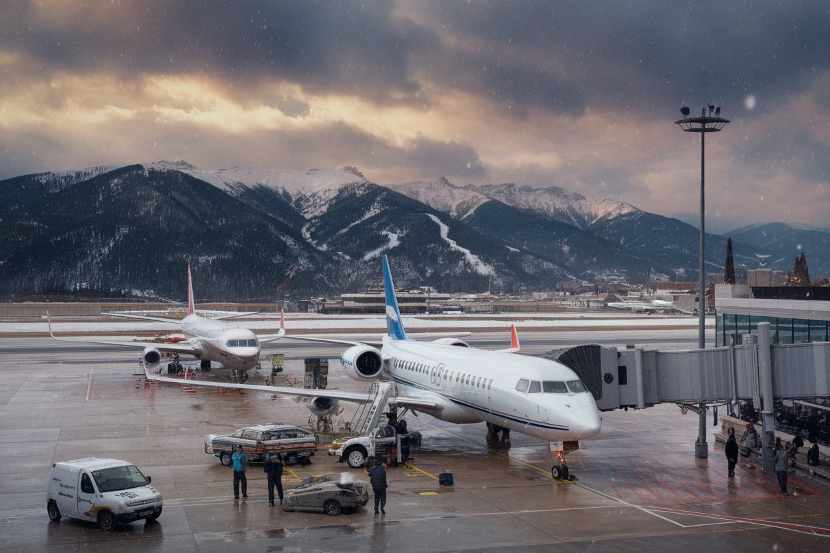
Global Flight Chaos: Virgin Atlantic Cuts Dubai Flights Amid Airspace Warnings in Middle East Conflict
Global Flight Chaos: Virgin Atlantic Cuts Dubai Flights Amid Airspace Warnings in Middle East Conflict
Amid rising tensions in the Middle East following military actions between the United States, Israel, and Iran, major airlines operating out of the region have faced significant disruptions. Among the most impacted is Virgin Atlantic, which has temporarily suspended its flights to Dubai International Airport (DXB) in the United Arab Emirates (UAE). The suspension follows a series of operational challenges caused by soaring insurance premiums and heightened flight risks in the region due to missile and drone activity tied to the ongoing conflict.
Virgin Atlantic’s Dubai Suspension: A Sign of Rising Operational Challenges
Virgin Atlantic’s decision to suspend its operations to Dubai is a direct result of the 2026 Iran conflict, which has significantly altered the landscape for airlines operating in the region. The airline was forced to ground one of its flights, a 16-hour “flight to nowhere,” after being unable to safely land in Dubai due to the heightened risks. The situation has led to a dramatic increase in insurance premiums for airlines flying over the region, which insurers now deem high-risk due to the potential for missile attacks and airspace closures. The rising insurance costs have made continued operations financially unsustainable for many carriers, including Virgin Atlantic.
Following the suspension, Virgin Atlantic’s flights to Dubai — a popular hub for travelers connecting between Europe and Asia — are temporarily halted until further notice. Passengers who had planned to travel to Dubai have been advised to check with the airline for alternative routes or rescheduling.
Regional Airspace Remains Volatile Amid Conflict
The wider Middle East airspace remains highly volatile as the situation unfolds. The escalating tension between Iran, the United States, and Israel has led to significant airspace restrictions and closures, especially across the UAE and neighboring countries like Saudi Arabia and Kuwait. This disruption has severely impacted commercial flights, particularly those traveling in and out of major Gulf hubs such as Dubai International Airport and Abu Dhabi International Airport.
Qatar Airways and Emirates Airlines have both reduced their services, operating only essential repatriation and repositioning flights. Airlines are now prioritizing flights that are critical for repatriating stranded passengers or those necessary for air freight operations.
While commercial schedules remain severely reduced, some airlines have adjusted by introducing special repatriation services to assist travelers trapped in the region due to airspace restrictions. Governments have issued new travel advisories urging citizens to monitor flight operations closely as the geopolitical situation continues to evolve.
Impact on Stranded Travelers and Government Response
The UAE government has stepped in to assist travelers affected by the ongoing disruptions. The General Civil Aviation Authority (GCAA) has pledged to support over 20,000 stranded passengers who were caught off guard by the rapid changes in air traffic. In addition to rebooking flights, the GCAA has covered passengers’ hotel accommodations, meals, and provided logistical support as they wait for flights to resume.
Despite these efforts, thousands of travelers remain stranded at Dubai’s major airport, particularly tourists and business travelers who had arrived in the UAE before the escalation of the conflict. Between 5,000 and 10,000 citizens, primarily from European countries like France, remain stuck in Dubai, awaiting evacuation or repatriation flights. The French Ministry of Foreign Affairs has been working with the UAE authorities to organize additional evacuation flights for its nationals, but logistical challenges continue to complicate the process.
Broader Context: Middle East Conflict’s Impact on Global Air Travel
The disruption in Dubai and other Middle Eastern air travel hubs is part of a larger, ongoing issue faced by airlines globally due to the Iran conflict. The recent missile and drone strikes between Iran and Israel, as well as subsequent responses, have intensified concerns about the safety of airspace over the Gulf. This has led many countries in the region, including the UAE, to restrict or close their airspace entirely, creating significant operational challenges for international airlines.
Dubai International Airport, which normally serves as a major transit hub for travelers heading to Asia, Europe, and North America, has been directly affected by these restrictions. Missiles launched across the region and debris from intercepted attacks have prompted airspace closures around major airports, including Dubai. As a result, airlines are forced to reroute flights or cancel them altogether, impacting thousands of passengers.
Furthermore, these disruptions have raised concerns about the vulnerability of air travel corridors that link the Middle East to the global aviation network. Several experts have noted that airlines’ dependency on Gulf hubs has exposed the wider travel industry to risks that were not fully accounted for before the escalation of hostilities. The closure of airspace and the imposition of higher insurance premiums on flights over the Middle East are likely to have lasting effects on aviation in the region.
Looking Ahead: A Long Road to Recovery for Middle Eastern Aviation
As the geopolitical situation remains fluid, the recovery of Middle Eastern aviation will depend largely on security assurances and the gradual reopening of airspace. While some repatriation flights are scheduled to continue, commercial operations from Dubai and other Middle Eastern hubs will remain limited until the region stabilizes.
Industry experts warn that it could take weeks, if not months, for air traffic to return to normal in the region. For travelers, particularly those planning flights in and out of Dubai, it’s essential to stay updated with official sources, such as the UAE General Civil Aviation Authority (GCAA), airline websites, and government travel advisories.
In conclusion, as Dubai and other Gulf airports struggle to manage the impact of the Iran conflict, airlines, passengers, and governments must work together to ensure that air travel can resume safely. The recovery of Virgin Atlantic and other Western carriers’ operations will be a key indicator of how swiftly the region can recover from this geopolitical crisis.
The post Global Flight Chaos: Virgin Atlantic Cuts Dubai Flights Amid Airspace Warnings in Middle East Conflict appeared first on Travel And Tour World.
Source: travelandtourworld.com



Sorry, the comment form is closed at this time.