


Heravi House in Iran Officially Registered as a National Monument, Showcasing their Qajar‑Era Architecture and Boosting Cultural Tourism Growth in Golestan Province
Heravi House in Iran Officially Registered as a National Monument, Showcasing their Qajar‑Era Architecture and Boosting Cultural Tourism Growth in Golestan Province
The Iranian Ministry of Cultural Heritage, Tourism, and Handicrafts has recognized the Heravi House in Golestan Province as a national monument. The Tourism Police Department of Abu Dhabi Police launched a comprehensive awareness campaign to enhance tourist safety at winter camps and outdoor recreational areas in the emirate. Hamid Omrani Rekavandi, the deputy head of Golestan Cultural Heritage Department, confirmed the registration, which is a crucial step towards preserving Iran’s rich cultural and architectural heritage.
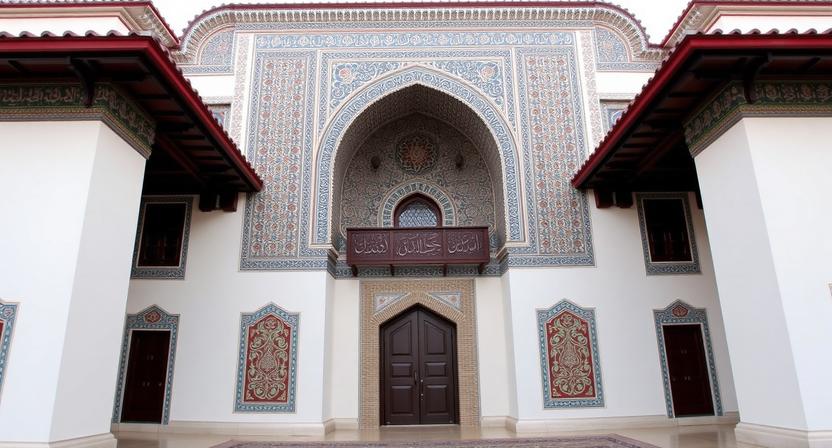
The Heravi House, constructed during the late Qajar era, symbolizes the majesty of Iranian architecture during that era. The house, which was originally constructed by Hadi Khan Sarreshtehdar, a senior official of Esterabad (the current Gorgan), has been a major representation of Iran’s architectural heritage and is now protected by national heritage laws.
A Glimpse into Iran’s Qajar-Era Architecture and Its Role in Cultural Tourism
When Heravi House was first constructed, it was surrounded by sprawling gardens and multiple one-story and two-story buildings. It was home to Sarreshtehdar’s sons, who were also officials in Esterabad during the late Qajar and Pahlavi periods. The house’s design was created not just for functionality but also to reflect the sociopolitical importance of the time, representing a period of cultural flourishing.
The house includes three courtyards and five buildings, with its northern and southern fronts arranged around a central courtyard—reflecting the typical architectural patterns of Qajar-era homes. These features, combined with the surrounding gardens and the later additions from the Pahlavi period, make the Heravi House an excellent example of Iranian architectural evolution.
As Iran continues to grow its cultural tourism sector, sites like the Heravi House play a key role in showcasing the country’s historical richness and architectural diversity. The house is set to attract tourists interested in exploring Iran’s past, offering insight into the life and architecture of the Qajar era while positioning Golestan as a vital part of Iran’s cultural tourism map.
Preserving Iran’s Heritage and Boosting Golestan’s Cultural Tourism
The registration of Heravi House is a direct step towards promoting Iran’s cultural tourism by highlighting the historical significance of the Golestan region. This recognition strengthens the province’s appeal as a destination for travelers looking to experience Iran’s rich cultural heritage. In addition to Heravi House, the region is home to other significant architectural landmarks and historical sites, which attract both international and domestic tourists.
As the demand for cultural tourism continues to grow, Golestan Province stands to benefit from increased tourism interest. By preserving and promoting sites like Heravi House, the region offers tourists the chance to explore the country’s rich past while supporting the local economy through tourism-related services like guides, restaurants, and hotels.
Tourism Development Through Cultural Heritage Preservation
The Heravi House’s registration as a national monument is a pivotal move for both the preservation of Iranian culture and the development of cultural tourism in Golestan. By preserving important historical sites and promoting their significance, Iran is positioning itself as a growing destination for those seeking an authentic cultural tourism experience. Golestan Province, with its rich cultural fabric and historic architecture, is set to become a key stop for those interested in exploring Iran’s heritage through guided tours and educational travel experiences.
This also aligns with Iran’s tourism development goals, where the government is working to increase the sector’s contribution to the national economy. Through initiatives like the registration of heritage sites, Iran aims to attract more international tourists, especially those interested in historical and cultural tourism.
Heravi House and Golestan’s Role in Shaping Iran’s Cultural Tourism Future
The recognition of Heravi House as a national monument is a significant move in the preservation of Iran’s architectural history, as well as the development of the cultural tourism industry in Golestan Province. Through the preservation and promotion of such historical sites, Iran is working to improve its position as a cultural tourist destination in the Middle East, highlighting the country’s rich history and the efforts being made to ensure that these sites are accessible to tourists from across the world.
With Golestan developing its tourism industry, Heravi House remains a symbol of the region’s rich history and the importance of heritage preservation in the development of the tourism industry. The restoration of Heravi House and the continued emphasis on Iran’s cultural heritage will continue to promote tourism in the region, helping to ensure a better understanding of the country’s history while also promoting economic development.
The post Heravi House in Iran Officially Registered as a National Monument, Showcasing their Qajar‑Era Architecture and Boosting Cultural Tourism Growth in Golestan Province appeared first on Travel And Tour World.
Source: travelandtourworld.com



Sorry, the comment form is closed at this time.