


Hidden Kingdom: Princeton’s Ivy‑League Wonderland Revealed—You Won’t Believe How Green It Is!
Hidden Kingdom: Princeton’s Ivy‑League Wonderland Revealed—You Won’t Believe How Green It Is!
Nestled in the heart of New Jersey, Princeton is not just a university town—it’s a living, breathing testament to the enduring legacy of higher education, stunning architecture, and a deep connection to nature. Home to Princeton University, one of the most prestigious Ivy League institutions, the town has been shaped by history, intellect, and the vision of its founders. From its colonial beginnings to its modern-day vibrancy, Princeton stands as a beacon of cultural, academic, and environmental sustainability.
Historic Origins: The Birth of Princeton University
Princeton’s story begins with the founding of Princeton University in 1746. Known then as the College of New Jersey, the university’s move to the small town of Princeton transformed the region forever. The university’s early leaders saw the land’s promise and secured it for a future educational institution. The first buildings—such as the Maclean House, built in 1754, and Stanhope Hall, constructed in 1805—became pillars of the town’s architectural identity. These early Georgian structures with their balanced proportions and classic design became the foundation for the town’s future growth. Princeton’s colonial heritage and the vision of its founders laid the groundwork for what would become a world-renowned centre of learning.
Buildings That Whisper History: A Mix of Georgian Beginnings and Gothic Splendor
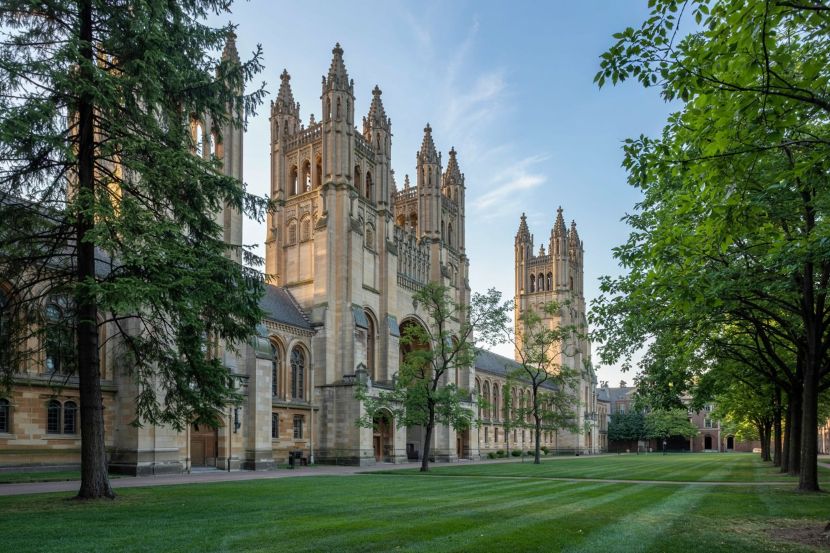
As the university expanded, it embraced new architectural styles to match its growing ambition. By the late 19th century, Princeton’s trustees voted to adopt the Collegiate Gothic style for its buildings, marking a shift towards a more dramatic, towering aesthetic. Architect Ralph Adams Cram was tasked with bringing this vision to life, designing structures that featured pointed arches, intricate stonework, and beautiful stained glass. This decision transformed the campus, creating a stunning skyline filled with towers and spires. The result is a captivating blend of Georgian symmetry and Gothic romance that defines the university today. Buildings like Nassau Hall and the Princeton Station are striking examples of this architecture, showcasing the timeless appeal of Gothic style that still influences the town’s design.
A Walk Through History: Princeton’s Legendary Campus
Walking through Princeton’s campus is like stepping into a storybook. The university’s long lawns and green spaces form the perfect backdrop for its towering stone buildings. Nassau Hall, the oldest building still in use, with its imposing cornices and thick stone walls, stands as a testament to the strength and longevity of the university’s heritage. Nearby, Maclean House and Stanhope Hall offer a glimpse into the town’s colonial past. These buildings, once simple and functional, now stand as silent witnesses to the intellectual revolution that began on these grounds.
The later Gothic buildings, such as Blair, Pyne, and Holder Halls, introduce a more romantic architectural style with their spires, turrets, and cloisters. These towering structures, with their pointed arches and intricate carvings, seem to touch the sky, inviting all who enter to feel the weight of history. The courtyards and walkways, shrouded in the shade of ancient trees, encourage quiet contemplation. It’s a place where students can move between lecture halls and libraries, all while surrounded by centuries of tradition and beauty.
The Town That Never Sleeps: Princeton’s Lively Downtown
Beyond the university gates, the town of Princeton thrives with energy and activity. The downtown area, which has been carefully planned to maintain its human scale, offers a vibrant mix of shops, restaurants, and cultural venues. Narrow streets and alleyways invite exploration, encouraging residents and visitors to walk rather than drive. The town’s bustling atmosphere is shaped by its mix of academic and commercial life, where residents, students, and tourists come together to enjoy the town’s diverse offerings.
Nassau Street and Palmer Square are the heart of the downtown area, lined with unique boutiques, cozy cafés, and lively restaurants. Whether you’re enjoying a coffee on a street corner or browsing through a bookstore, Princeton’s downtown has a charm all its own. The town’s mixed-use development plan ensures that Princeton remains a walkable, sustainable community, where families, students, and visitors can easily access everything they need, day or night.
Where Town Meets Gown: Princeton’s Perfect Balance of Business and Culture
One of Princeton’s most unique features is the seamless integration of its academic and commercial life. The town’s planning emphasizes a “mixed-use” approach, where residential homes, office buildings, and commercial spaces coexist harmoniously. Restaurants are often housed in former homes, while boutiques and bookstores occupy the ground floors of apartments. This blend of business and culture creates a dynamic environment that encourages interaction and fosters a strong sense of community.
For students, the convenience of living just steps away from cafés and shops offers the perfect balance of work and play. For residents, the town provides a variety of amenities while maintaining the intimacy of a small town. This vibrant, mixed-use approach to urban development makes Princeton an ideal place to live, work, and study.
Green Streets: Princeton’s Commitment to Sustainability and Walkability
Princeton’s commitment to sustainability is evident in its Master Plan, which emphasizes the importance of green spaces, tree-lined streets, and walkability. The town boasts an extensive network of sidewalks and bike paths, making it easy for residents and visitors to explore on foot or by bicycle. The “Complete Streets” initiative, which ensures that roadways are safe and accessible for pedestrians, cyclists, and public transit users, promotes a healthier, more sustainable lifestyle.
The town’s residential neighborhoods are a testament to this vision. Tree-lined streets, shaded by mature oak and maple trees, form the backbone of Princeton’s urban landscape. These trees not only add beauty and charm to the town but also provide environmental and health benefits. The streets are designed to encourage walking and cycling, reducing the need for cars and promoting a cleaner, more vibrant community.
A Town That Grows With Its Trees: The Role of Princeton’s Urban Forest
Princeton’s commitment to its green spaces extends to its trees. The town has developed a comprehensive Community Forest Management Plan that aims to preserve, enhance, and grow its urban tree canopy. More than 19,000 trees, representing over 200 species, thrive along Princeton’s streets, parks, and public spaces. These trees are an integral part of the town’s infrastructure, providing shade, beauty, and environmental benefits.
The town’s focus on tree care and preservation has made it a leader in urban forestry. The plan includes regular pruning, hazard tree removal, and community engagement initiatives to ensure that the tree canopy remains healthy for future generations. In a world where urban sprawl and deforestation are common, Princeton’s dedication to preserving its trees stands as a model for other communities to follow.
Open Space Galore: Princeton’s Commitment to Nature
Princeton’s commitment to green spaces is not just limited to its streets. More than 25 percent of the town’s land area is dedicated to open space, including woodlands, parks, and nature preserves. These areas provide residents with opportunities to connect with nature, whether they’re hiking through the Billy Johnson Mountain Lakes Nature Preserve or enjoying a leisurely stroll through one of the town’s many parks.
These open spaces are integral to Princeton’s identity, offering a balance between urban development and environmental preservation. The town’s dedication to maintaining and expanding its green spaces ensures that future generations will be able to enjoy the same natural beauty that has defined Princeton for centuries.
Princeton: A Town That Embraces Its Past While Looking to the Future
Princeton’s success as a town is no accident. It is the result of decades of careful planning, a commitment to sustainability, and a deep respect for its history. The town’s Master Plan emphasizes balance, compatibility, and preservation, ensuring that growth occurs in harmony with the town’s unique character. By integrating green spaces, walkability, and sustainable development, Princeton has created a model community where residents, students, and visitors can thrive.
As Princeton continues to grow and evolve, its dedication to preserving its historic charm, fostering a vibrant downtown, and maintaining its green spaces ensures that it remains a town that will inspire future generations. Whether you’re walking through its storied campus, strolling through its lively downtown, or hiking along its scenic trails, Princeton is a place that invites you to explore, dream, and grow.
Princeton is more than just a university town—it’s a place where history, nature, and innovation coexist in perfect harmony. From its iconic Gothic buildings to its expansive green spaces, the town offers a unique blend of academic rigor, cultural vibrancy, and environmental consciousness. As a model of sustainable urban development, Princeton proves that it’s possible to embrace both tradition and progress, making it one of the most iconic towns in the United States.
The post Hidden Kingdom: Princeton’s Ivy‑League Wonderland Revealed—You Won’t Believe How Green It Is! appeared first on Travel And Tour World.
Source: travelandtourworld.com



Sorry, the comment form is closed at this time.