


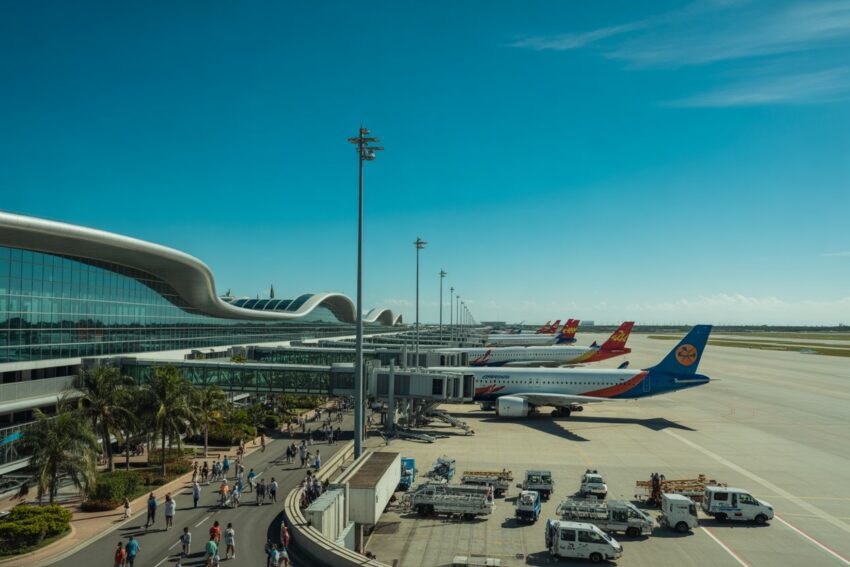
Historic Passenger Surge at Mactan-Cebu Airport in Philippines as Almost One Million Travellers Pass Through in January 2026
Historic Passenger Surge at Mactan-Cebu Airport in Philippines as Almost One Million Travellers Pass Through in January 2026
Mactan‑Cebu International Airport (MCIA) in the Philippines has marked an unprecedented milestone in its history, handling 1.3 million passengers in January 2026, the highest monthly traffic ever recorded at the airport. This figure represents a 15 percent year‑on‑year increase from the roughly 1.1 million travellers logged in January 2025, according to official aviation and government sources.
Officials say that this surge underscores MCIA’s growing role as a major entry point for both domestic and international travel, reflecting rising tourism demand and improved global connectivity for Cebu. It also highlights strategic efforts by government and private partners to position the airport as a key gateway connecting the Visayas region with major cities across Asia‑Pacific and beyond.
Record Passenger Traffic: What’s Driving the Growth?
Airport data shows both domestic and international travel segments contributed to the record. Domestic traveller numbers climbed by around 12 percent, while international passengers spiked by roughly 25 percent compared with the same month last year.
A combination of seasonal demand linked to cultural events like the Sinulog Festival in Cebu, the increased movement of returning Filipinos from overseas, and the steady return of global tourism have fuelled this surge. In addition, MCIA has introduced several new international routes and welcomed additional foreign airlines over the past year, enhancing connectivity to cities such as Hanoi, Cheongju, Brisbane and Macau.
This strong performance at the start of 2026 reflects broader trends in aviation recovery and expanding travel networks following pandemic‑era restrictions. The record also coincides with government and private sector aviation partnerships that aim to make travel to and through Cebu even more accessible.
MCIA as a Travel Hub: The Advantage for Tourists
For travellers, the surge in passenger traffic at MCIA brings key advantages. Firstly, expanded flight options from more international and domestic airlines give tourists greater choice in scheduling, pricing and routing. Tourists can now fly direct from various markets without transiting through Manila or other hubs, saving time and reducing travel fatigue.
Secondly, the airport’s role as a transit hub allows Cebu to position itself not just as a destination, but as a transfer gateway connecting travellers across Southeast Asia and Oceania. Initiatives such as improved transfer services aim to minimize layover times and simplify connections, providing a smoother experience for those in transit.
Moreover, the rise in international traffic often translates to more competitive airfares, as airlines increase seat capacity and offer promotional rates to attract early‑year bookings. This benefits budget‑conscious travellers and boosts Cebu’s appeal as a tourism gateway in the region.
Challenges and Considerations for Travellers
However, a record surge in passenger numbers also brings challenges. Larger crowds can lead to longer wait times at check‑in, security and immigration, especially during peak travel hours. Travellers may need to plan for extra time at the airport to avoid delays.
Increased demand can also strain local transport infrastructure, especially for ground connections between MCIA and Cebu City. Although projects like improved expressways and transport links are underway, road congestion can still affect arrival and departure times for taxis, ride‑hailing services and airport buses.
Finally, the sheer volume of passengers can put pressure on airport facilities, seating and hospitality services, particularly during major festivals or peak travel seasons. Travellers should plan ahead by arriving early and booking priority services if needed.
Official Response and Future Plans
Airport authorities and stakeholders have welcomed the record figures as evidence of sustained demand for travel to and through Cebu. Both government agencies and private airport operators have signalled plans to build on this momentum with further route launches, airline partnerships and infrastructure enhancements throughout 2026.
MCIA’s leadership says the airport is poised for continued growth as they aim to meet rising traveller expectations and position Cebu as a globally recognised aviation and tourism hub.
Conclusion — Travel Angle Implication
The historic 1.3 million passenger traffic at Mactan‑Cebu International Airport in January 2026 confirms Cebu’s rise as one of Asia’s dynamic travel gateways. For tourists, this means more choices, better connectivity and greater accessibility, while also signalling the region’s readiness to welcome increased global demand.
However, travellers should also be aware of potential challenges like crowding and transport pressure that accompany rapid growth. As Cebu continues to expand its aviation network, MCIA’s record traffic sends a clear message: the Philippines’ tourism rebound has taken a tangible flight path, and Cebu is firmly in the cockpit.
The post Historic Passenger Surge at Mactan-Cebu Airport in Philippines as Almost One Million Travellers Pass Through in January 2026 appeared first on Travel And Tour World.
Source: travelandtourworld.com



Sorry, the comment form is closed at this time.