


How Italy’s Accessibility Revolution Is Transforming Art for Visually Impaired Tourists in Rome, Florence, Pompeii, and Ancona – Everything You Need to Know About Tactile Museums and Tours
How Italy’s Accessibility Revolution Is Transforming Art for Visually Impaired Tourists in Rome, Florence, Pompeii, and Ancona – Everything You Need to Know About Tactile Museums and Tours
Italy is taking groundbreaking steps to transform how blind and visually impaired individuals interact with its rich artistic heritage. With some of the world’s most celebrated artworks and historical sites, Italy is spearheading a new initiative to make its cultural treasures accessible to all. Through innovative tactile experiences and specially designed museum tours, the country is rewriting the traditional art experience for blind and visually impaired travelers. The Colosseum in Rome, the Uffizi Gallery in Florence, and the archaeological site of Pompeii are leading the way, offering immersive journeys that focus on touch, sound, and even smell to bring Italy’s masterpieces to life.
Embracing Accessibility: Italy’s Commitment to Inclusive Tourism
As one of Europe’s most visited destinations, Italy has long recognized the need to cater to diverse audiences. However, in the past, individuals with disabilities—particularly those who are blind or have low vision—faced significant challenges when visiting the country’s vast cultural landmarks. Narrow walkways, steep stairs, and inaccessible buildings were common hurdles. But a significant change began in 2021 when Italy, prompted by European Union funding for pandemic recovery, made accessibility a key priority. Accessible tourism has since become an integral part of Italy’s tourism strategy, ensuring that historical sites and museums cater to a broader audience.
Rome’s Colosseum: Experiencing Ancient History Through Touch
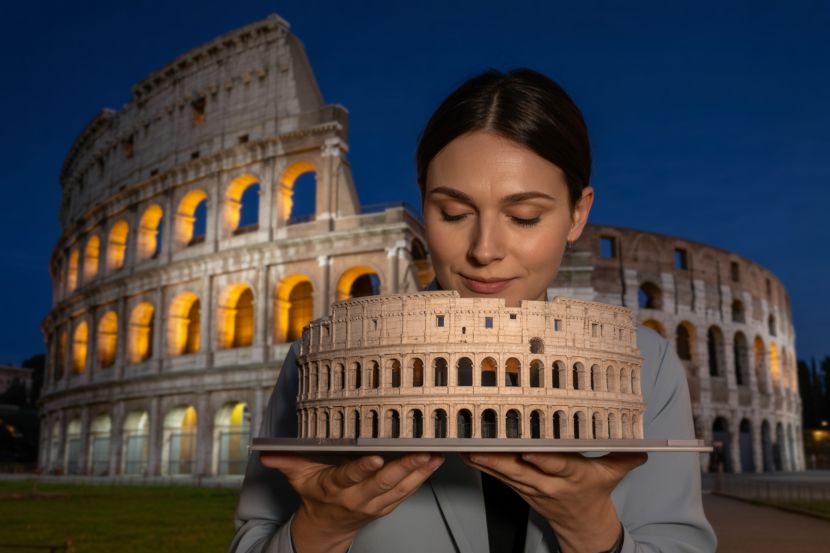
Rome, home to some of the world’s most iconic landmarks, has also adapted to provide immersive art experiences for blind and visually impaired visitors. The Colosseum, often bustling with tourists during the day, is now offering specially designed night tours that cater to individuals with visual impairments. These tours focus on all the senses, allowing travelers to experience the Colosseum from a new perspective. Visitors are given tactile models of the amphitheater, which help them understand its unique elliptical shape. This hands-on experience, which encourages exploration by touch, not only makes the ancient structure accessible but also allows travelers to engage with history in a more personal and meaningful way.
Florence’s Uffizi Gallery: A Touch of the Masterpieces
In Florence, the Uffizi Gallery—one of the most famous art museums in the world—has also taken steps to make its vast collection of Renaissance masterpieces more accessible. For those who cannot rely on sight to appreciate works by Botticelli, Da Vinci, or Michelangelo, the museum offers tactile tours. These tours feature 3D replicas of famous artworks, allowing visitors to feel the texture and form of the original pieces. For instance, a replica of Michelangelo’s David is available for visitors to touch, offering an entirely different way to experience this iconic sculpture. Guides lead blind tourists through the museum, explaining the historical context of each piece while encouraging them to interact with the art physically.
Pompeii: A New Era for Accessible Archaeological Sites
The ancient city of Pompeii, preserved by the eruption of Mount Vesuvius in 79 AD, has also undergone major improvements to increase accessibility. Braille signs and QR-coded audio guides are now in place to help visitors with disabilities navigate the sprawling archaeological site. In addition, tactile models of key buildings and artifacts, including the famous Pompeii frescoes, allow blind visitors to gain a deeper understanding of the site’s history. These sensory experiences help bring Pompeii’s ancient civilization to life in a way that words alone cannot.
Museo Omero: Italy’s First Publicly Funded Tactile Museum
The Museo Omero, located in Ancona, is a landmark in Italy’s effort to provide accessible art experiences for the blind and visually impaired. Founded by Aldo and Daniela Grassini, two blind art lovers, the museum was the first publicly funded tactile museum in Italy. It offers life-sized replicas of famous sculptures and artifacts, all designed to be touched and explored. The museum features works from ancient Roman and Greek periods as well as Michelangelo’s David. For visitors who are blind, these sculptures offer a way to experience the art beyond sight, fostering a deep connection through touch and emotion.
Travel Tips for Blind and Visually Impaired Tourists in Italy
Plan Ahead: If you’re visiting famous sites like the Colosseum or Pompeii, make sure to check the accessibility options available, including tactile models, braille signage, and guided tours.
Use Specialized Guides: Many museums and historical sites in Italy now offer guides trained to assist blind and visually impaired tourists. These guides can enhance your visit by providing rich, descriptive information and facilitating interactive experiences.
Night Tours for a Quieter Experience: Some sites, like the Colosseum in Rome, offer night tours with fewer crowds. This can be a great way for blind travelers to focus on sensory experiences without distractions.
Consider Companion Assistance: Some locations, like the Boboli Gardens in Florence, may require a companion to assist with navigating certain areas. Be sure to check the specific guidelines for each site ahead of time.
A Future of Inclusive Art Tourism
Italy’s efforts to make its art and history more accessible are not just about enhancing the experience for blind and visually impaired travelers; they reflect a broader movement toward inclusive tourism. By removing physical barriers and offering sensory-rich experiences, Italy is not only improving the quality of life for disabled travelers but also ensuring that its cultural heritage is preserved and celebrated by all. As more destinations follow Italy’s example, the future of art tourism looks inclusive, with every traveler able to touch, hear, and feel the beauty of the world’s greatest masterpieces.
The post How Italy’s Accessibility Revolution Is Transforming Art for Visually Impaired Tourists in Rome, Florence, Pompeii, and Ancona – Everything You Need to Know About Tactile Museums and Tours appeared first on Travel And Tour World.
Source: travelandtourworld.com



Sorry, the comment form is closed at this time.