


How the UK’s Groundbreaking 2026 Drone Rules Will Revolutionize Airport Safety and Cut Flight Disruptions with Cutting-Edge Technology and Enforcement Tools
How the UK’s Groundbreaking 2026 Drone Rules Will Revolutionize Airport Safety and Cut Flight Disruptions with Cutting-Edge Technology and Enforcement Tools
The UK’s 2026 drone regulations aim to enhance airport safety by addressing the risks posed by unauthorized drone activity. With measures like Remote ID and stricter accountability, the regulations improve traceability and reduce disruptions, ensuring faster responses and smoother airport operations. These changes are designed to strengthen aviation security and prevent incidents that could affect passenger safety.
The use of drones has been growing rapidly across various sectors, including transportation, agriculture, and photography. While drone technology offers numerous benefits, its integration into sensitive environments such as airports raises significant concerns. Airports, with their tightly controlled airspace and high operational risks, are particularly vulnerable to the disruptive potential of unauthorized drone activity.
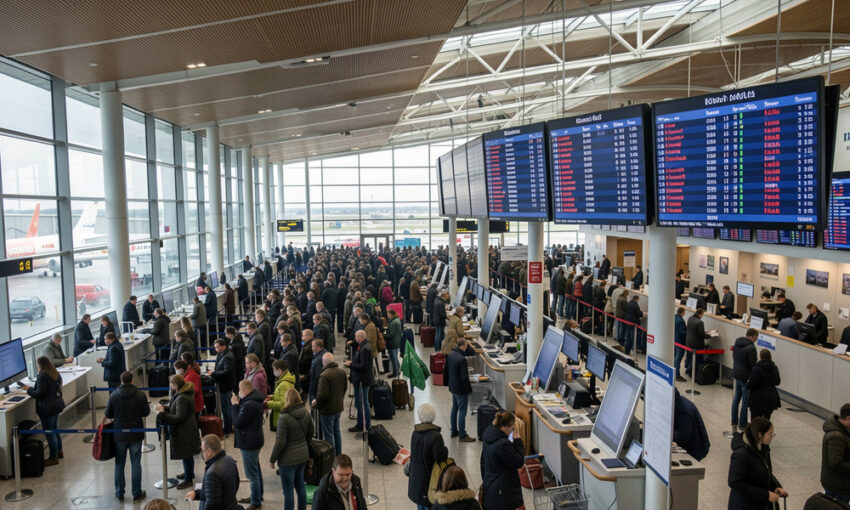
Drones flying near runways, approach paths, or within airport boundaries can cause massive disruptions in airport operations. Even a single unauthorized drone sighting can lead to runway closures, flight delays, and emergency responses, affecting thousands of passengers in a matter of minutes. The 2018 incident at Gatwick Airport serves as a stark reminder of the severe impact drones can have on airport operations. Since then, smaller drone incursions have continued to present real risks to safety and efficiency in airports across the country.
To mitigate these risks, the UK Civil Aviation Authority (CAA) introduced a comprehensive new regulatory framework for drones, effective from January 1, 2026. The new rules aim to address key challenges airports face, particularly in ensuring safety during critical phases of flight and identifying unauthorized drone operators quickly. The regulations are designed to reduce the likelihood of disruptions while increasing accountability in the event of a drone-related incident.
Enhancing Accountability with New Drone Regulations
One of the main hurdles airports encounter during drone-related incidents is the identification of the responsible party. The revised regulations now require all drone operators flying drones weighing 100 grams or more to hold a Flyer ID. This ID is obtained by passing a free online theory test, which brings more drone users under the regulatory umbrella, increasing awareness of airspace restrictions around airports. This change is essential in preventing unauthorized drone flights and ensuring safety in sensitive airspace.
In addition, drone owners are required to register for an Operator ID if their drone weighs 250 grams or more or if it weighs over 100 grams and has a camera. This is a crucial step in ensuring a clear ownership trail following incidents. With the introduction of these requirements, the regulatory framework becomes more robust, enabling authorities to trace drone owners more effectively, supporting enforcement efforts, and serving as a deterrent for potential offenders.
The Role of Remote ID in Improving Airport Safety
Remote ID is one of the most significant additions to the new drone regulations, especially for enhancing airport security. Similar to a digital number plate, Remote ID broadcasts a drone’s identification and location while in flight. This technology provides airports with a crucial tool to distinguish between authorized and rogue drones in controlled airspace. The ability to identify and track drones quickly reduces the likelihood of unnecessary runway closures and helps authorities make faster, more informed decisions when drone sightings occur.
Under the new regulations, drones with UK class marks must be equipped with Remote ID, which will improve long-term traceability near airports. Older drones that fall under the “legacy” category and weigh over 100 grams with cameras are given a deadline of January 2028 to comply. Although this phased rollout means some traceability gaps will persist in the short term, it represents a positive step forward in ensuring safety near airports.
Understanding UK Class Marks and Risk Management
UK class marks (UK0-UK6) indicate a drone’s safety features and determine where and how it can be flown. These classifications are essential for regulators to assess the safety and legality of drone operations in proximity to airports. The class marks help authorities better understand which types of drones are permissible in various categories of airspace. From 2026, all new drones sold in the UK must bear a UK class mark, while older drones or those with EU class marks can continue to fly under transitional arrangements until the end of 2027. This ensures that a significant portion of the existing drone fleet remains operational, though airports must manage a mix of old and new drones with differing compliance standards.
Night Flying and Its Associated Risks
Night flying poses particular risks for aviation, as it reduces visibility and makes it harder to detect unexpected objects in the air. To address this, the new regulations mandate that any drone flown at night must be equipped with a flashing green light, which must remain visible throughout the flight. This light counts toward the drone’s total weight, adding an extra layer of visibility that enhances safety, especially near airports. The requirement for night flights aims to reduce collision and near-miss risks, ensuring that unauthorized drones are more easily spotted during these higher-risk periods.
Managing Flight Restriction Zones (FRZs) and Enforcement Challenges
Flight Restriction Zones (FRZs) are designated areas where drones are prohibited from flying without express permission from the airport and the CAA. However, enforcing these restrictions presents challenges. The boundaries of FRZs can be complex, often extending into neighboring residential areas, and there is a lack of widespread public awareness regarding the rules. While the new regulations strengthen the legal framework, airports still require advanced detection systems, police coordination, and rapid response measures to effectively manage the risk posed by drones.
The Impact of New Drone Rules and Remaining Gaps
The new drone regulations are a significant step forward in improving aviation safety and accountability. By establishing clearer rules, such as Flyer and Operator ID requirements, and introducing innovative safety measures like Remote ID, the regulations aim to reduce the number of drone-related disruptions at airports. They also offer stronger legal support and more effective identification tools, which should result in faster resolutions of incidents and a reduction in the overall length of disruptions caused by drones.
However, there are still some gaps in the regulatory framework. The phased implementation of Remote ID leaves a window for some drones to remain untraceable in the short term, and overseas drone operators must now navigate a more complex UK-specific system. While the rules are an important step, their full effectiveness will only become apparent once they are put into action and tested by real-world incidents.
The new drone regulations introduced by the UK Civil Aviation Authority represent a proactive approach to mitigating the risks drones pose to airports. By improving accountability, increasing safety through Remote ID, and establishing clearer regulations for drone operations, these changes aim to enhance the safety of airport airspace and reduce disruptions. Although there are still challenges to overcome, the new rules lay a strong foundation for managing the growing presence of drones in sensitive airspace.
The post How the UK’s Groundbreaking 2026 Drone Rules Will Revolutionize Airport Safety and Cut Flight Disruptions with Cutting-Edge Technology and Enforcement Tools appeared first on Travel And Tour World.
Source: travelandtourworld.com



Sorry, the comment form is closed at this time.