


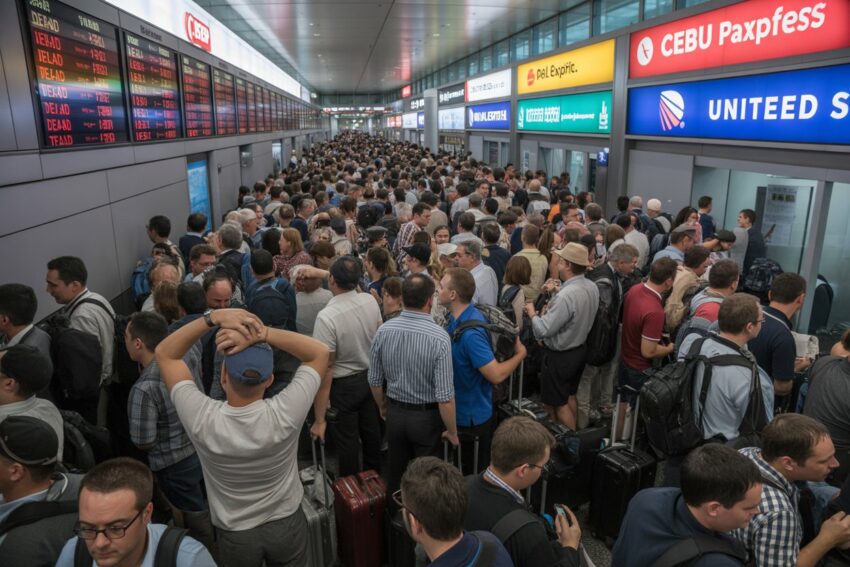
Hundreds of Passengers Stranded in Austria as Vienna, Salzburg, Innsbruck, and Graz Airports Face 265 Flights Delays with 2 Cancellations, Disrupting Major Airlines Including Cebu Pacific, PAL Express, United Airlines, and More!
Hundreds of Passengers Stranded in Austria as Vienna, Salzburg, Innsbruck, and Graz Airports Face 265 Flights Delays with 2 Cancellations, Disrupting Major Airlines Including Cebu Pacific, PAL Express, United Airlines, and More!
Austria For many travellers at Vienna International, Salzburg, Innsbruck and Graz airports, what was meant to be smooth travel turned into a test of patience and resilience as a combined total of 265 flights were delayed and 2 were cancelled, throwing schedules into turmoil across the country’s busiest air travel gateways. For families, business travellers and holidaymakers alike, the disruptions created long waits at check‑in counters, crowded lounges and mounting uncertainty about onward flights and connections. The human toll of flight delays became clear in conversations between weary passengers seeking answers and a way forward.
Disruptions at Vienna International Cause Widespread Impact
At the heart of the disruption was Vienna International Airport, Austria’s largest and most significant air hub, where 185 flight delays and 1 cancellation were recorded. Vienna acts as the principal gateway for both domestic and international travel in Austria, and any setbacks there have immediate reverberations throughout the European network. On the day of the disruption, thousands of passengers arrived expecting efficient operations but instead found crowded terminals and lengthening wait times. Winter weather conditions, including heavy snowfall earlier in the week, have compounded scheduling problems and strained ground operations, reminding travellers that weather remains one of the most uncontrollable factors in air travel.
The airport’s flight information boards flickered with updates as airlines worked to reschedule departures and manage passenger flow. Many travellers described scenes of families anxiously checking phones for changing gate numbers and travellers struggling to secure new seats on later flights. The weight of delayed journeys was felt strongly, especially for those with tight connections or onward commitments beyond Austrian borders.
Salzburg: Gateway to the Alps Sees Delays but Holds Steady
At Salzburg W. A. Mozart Airport, the second busiest regional airport in Austria, 36 delays and no cancellations were recorded. The airport, known locally as Salzburg Airport, serves as an important entry and exit point for tourists and skiers heading to the Alpine regions. Even without cancellations, the number of delays brought long queues at departure lounges, where travellers prepared for excursions to Austria’s famous mountain resorts.
Passengers bound for holiday destinations and business hubs were forced to reevaluate their travel timelines, and airport staff worked under pressure to support weary guests. Salzburg’s reputation as a reliable regional hub was tested that day, yet the airport’s efficient handling of the volume helped to prevent traffic from spiralling further out of control.
Innsbruck Delays Test Travel Plans in Tyrol
Innsbruck Airport, serving the Tyrol region and famous for its scenic mountain approaches, recorded 40 delays and 1 cancellation. Innsbruck remains a pivotal hub for both year‑round tourism and winter sports travel. Weather conditions in the Tyrol mountains often influence flight schedules, and this was evident in the complications that emerged on the day in question.
Travellers bound for Innsbruck expressed disappointment as they waited in departure lounges, watching connections slip further into the day without clear resolution times. Families and groups heading to the winter resorts around the region felt the pressure as tight itineraries were reshaped by a cascade of delays.
Graz Airport Grapples with Flight Slowdowns
Graz Airport, which serves Austria’s second largest city in Styria, logged 4 flight delays during the period of disruption. While not as significant as the numbers at Vienna or Innsbruck, even a handful of delays can upend carefully structured travel plans, particularly for regional travellers and commuters who rely on punctuality for domestic connections.
The modest delay count highlights how even smaller airports play a role in the broader national aviation system — their operations intertwined with the busy schedules of major hubs and subject to knock‑on effects from upstream disruptions.
Broader Aviation Landscape Reflects Rising Passenger Numbers
Despite the chaos of delayed flights and cancellations, Austrian airport authorities have been managing a rapidly growing passenger landscape. In the year prior, airports across the country handled tens of millions of passengers, approaching pre‑pandemic levels of activity with increased aircraft movements and stronger connectivity throughout Europe. Passenger volumes at Austria’s major hubs have been rising year by year, underscoring both the nation’s appeal as a travel destination and the growing complexity of managing air travel operations in all weather conditions.
Passenger Experiences Highlight Human Element of Flight Disruptions
Passengers stranded at gates shared stories of stress, unexpected hotel bookings, and the scramble to rebook onward connections. Families heading to events found themselves forced into patience, while business travellers worked airline apps and customer service lines in a bid to secure new seats. Airports tried to keep spirits up with staff offering support and updates, yet the strain of extended waiting periods was unmistakable on weary faces.
Some travellers candidly spoke of missing key commitments due to the delays, while others made light of the situation by building camaraderie with fellow passengers. These personal responses underscored the emotional impact that delays can have, far beyond mere inconvenience.
Aviation Authorities Stress Preparedness, Communication
Airport officials and aviation authorities emphasised that delays and occasional cancellations are part of the realities of aviation operations, especially during periods of intense weather shifts and increased travel demand. Messaging from authorities stressed the importance of maintaining regular communication with airlines, confirming flight status before departure, and arriving early for check‑in so passengers can adapt to changing conditions.
Operators also highlighted the role of real‑time flight tracking and alerts through airline channels, encouraging passengers to utilise digital tools to stay informed as much as possible. Their goal, officials say, is to ensure safety while easing the burden on travellers when delays become unavoidable.
Navigating Future Travel: Lessons and Expectations
As travellers slowly made their way out of Austria’s key airports after hours of uncertainty, many reflected on the experience with a blend of frustration and understanding. The disruptions served as a reminder that even in well‑organised air travel systems, factors like weather, air traffic flow and logistical capacity can sharply influence operations. Frequent flyers expressed intentions to prepare more thoroughly in future, including allowing extra buffer time and making contingency plans when travel schedules are tight.
Despite the frustration, most passengers expressed relief as flights resumed and routes began operating closer to their intended schedules later in the day. Their stories painted a vivid picture of resilience in the face of travel challenges.
CONCLUSION: DELAYS AND CANCELLATIONS UNDERSCORE COMPLEXITY OF AIR TRAVEL IN AUSTRIA
In total, the four Austrian airports experienced 265 flight delays and 2 cancellations, a figure that highlights the complexity of managing air traffic during peak conditions and changing weather patterns. While operations eventually stabilised and travellers moved forward, the episode offered stark lessons in preparation, communication, and patience for anyone planning to fly through Austria’s bustling skies. The blend of human experience and logistical pressure emphasises how dynamic aviation travel can be, particularly across major hubs like Vienna, Salzburg, Innsbruck and Graz.
The post Hundreds of Passengers Stranded in Austria as Vienna, Salzburg, Innsbruck, and Graz Airports Face 265 Flights Delays with 2 Cancellations, Disrupting Major Airlines Including Cebu Pacific, PAL Express, United Airlines, and More! appeared first on Travel And Tour World.
Source: travelandtourworld.com



Sorry, the comment form is closed at this time.