


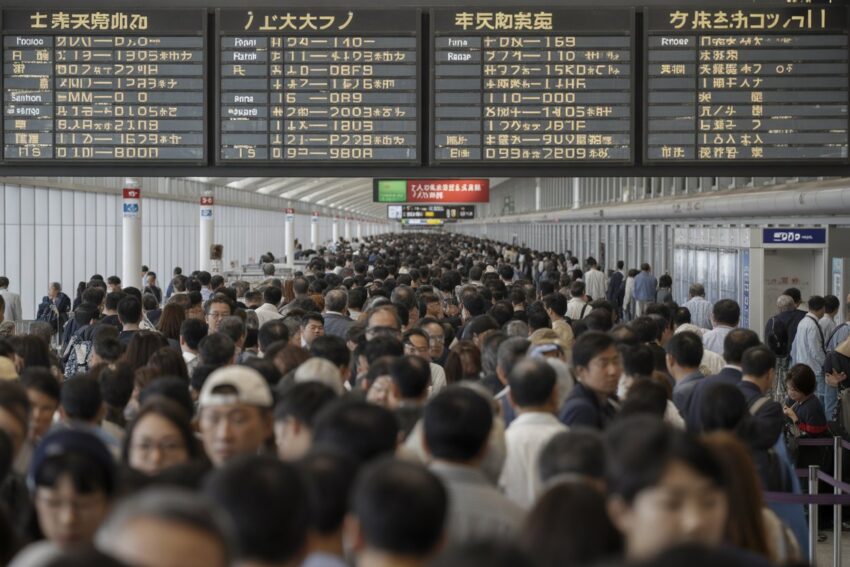
Hundreds of Travelers Stranded Across Fukuoka, Kagoshima, Yakushima, Okinoerabu, and Tsushima Airports, Japan as 62 Flights Are Delayed and 31 Cancelled Disrupting Japan Airlines, ANA, and More Across Domestic and Regional Routes
Hundreds of Travelers Stranded Across Fukuoka, Kagoshima, Yakushima, Okinoerabu, and Tsushima Airports, Japan as 62 Flights Are Delayed and 31 Cancelled Disrupting Japan Airlines, ANA, and More Across Domestic and Regional Routes
Travelers across southern Japan faced serious disruptions this week as multiple regional airports reported a combined 62 flight delays and 31 cancellations, revealing operational challenges in one of the country’s busiest travel corridors. From bustling Fukuoka to remote island gateways such as Yakushima and Okinoerabu, passengers have confronted unexpected wait times and the stress of rescheduled connections, reshaping plans for tourism and domestic travel throughout the region.
According to official flight schedules from the Fukuoka Airport website, passengers can check real-time arrivals and departures, a vital tool amid the surge in delays affecting Japan’s air travel network. Meanwhile, weather patterns typical of southern Japan — especially in island regions like Yakushima — are known to contribute to aviation disruptions, highlighting the vulnerability of flights to atmospheric conditions. Fukuoka Airport: Major Regional Hub Under Strain
At Fukuoka Airport, a critical hub for both domestic and international flights, a total of 39 delays and 6 cancellations were recorded, accounting for a significant share of this week’s disruptions. Although current real-time data shows delays at this airport can fluctuate, the high volume of flights passing through Fukuoka — a vibrant gateway to Kyushu’s cultural and economic centres — means that any disruptions cause ripple effects throughout Japan’s aviation system.
Passengers departing from or connecting through Fukuoka faced extended waits at check‑in counters and crowded terminals as airlines worked to rebook travelers while managing the backlog of flights. Many international tourists planning to explore Kyushu’s scenic landscapes, historical sites, and urban experiences found themselves forced to reconsider itineraries, particularly as the region remains one of Japan’s top tourism destinations.
Kagoshima’s Connectivity Challenges
Further south, Kagoshima Airport reported 18 delays and 11 cancellations, a disruption that left many locals and visitors stranded. Despite generally favourable weather conditions at the time, the airport’s flight schedule fluctuations reflect broader issues affecting Japan’s air travel network, including airline resource constraints and aircraft rotation delays.
Kagoshima serves as a critical link to island destinations such as Yakushima and Okinoerabu, meaning that delays here can quickly escalate into more severe travel interruptions. For island residents who rely on air travel for essential services and connections to mainland Japan, the cancellations not only disrupt tourism but also day‑to‑day life.
Yakushima and Okinoerabu: Island Routes Hit Hard
Among the smaller regional airports, Yakushima experienced 1 delay and 8 cancellations, while Okinoerabu recorded 4 delays and 3 cancellations. These islands are beloved for their natural beauty — Yakushima’s ancient cedar forests and Okinoerabu’s pristine beaches regularly draw both international eco‑tourists and domestic travellers — but the fragility of flight connections to these remote destinations was laid bare by this week’s disruptions.
With limited flight options compared to larger mainland hubs, a handful of cancelled flights can leave visitors with few alternatives, forcing unexpected hotel stays or re‑routing through other cities at additional cost. In a region where weather can change quickly, airlines often struggle to maintain reliable schedules, affecting not just tourism but also local economies dependent on consistent connectivity.
Tsushima Airport: Cancellations Without Delays
Finally, Tsushima Airport reported 0 delays and 3 cancellations, underscoring that even without excessive delays, cancellations alone can create travel headaches for passengers. Tsushima — an island closer to Korea than mainland Japan — plays an important role for cross‑border tourism as well as domestic routes, making its flight operations crucial for both business and leisure travellers.
The cancellations at Tsushima this week — although not as high as other airports — illustrate how flight planning remains sensitive to factors such as aircraft availability, crew rotation, and shifting demand.
Impact on Travelers and the Broader Aviation Network
For many Japan travelers — particularly those with tight schedules or international connections — the combined total of 62 delays and 31 cancellations quickly turned into missed connections, overnight stays, and costly itinerary changes. Airlines operating these routes are encouraging passengers to use official flight tracking tools to monitor changes, and to contact customer service for rebooking options as soon as disruptions are announced.
The Japan National Tourism Organization (JNTO) also offers safety and travel information, including updates on weather and transportation interruptions, to help travellers stay informed during unexpected events.
Delays and cancellations not only inconvenience passengers but also place pressure on local tourism operators, transport services, and communities that depend on steady visitor flows. In a travel market that has seen steady recovery following the global pandemic, such disruptions pose both operational challenges for airlines and emotional strain for people trying to make the most of their trips.
Japan’s Aviation Landscape: A Broader Perspective
Japan’s airline network is one of the world’s most interconnected and complex, balancing domestic flights between major cities with international routes that link to global hubs. Reports from early 2026 highlighted how flight disruptions have been sweeping across the nation’s aviation system, affecting airlines like Japan Airlines (JAL) and All Nippon Airways (ANA) and impacting hundreds of flights nationwide.
While the current situation in Kyushu represents a smaller scale compared to nationwide upheavals, it is symptomatic of how sensitive air operations are to weather, mechanical issues, and network‑wide delays that can cascade across regions.
For travellers planning trips through Fukuoka and into southern Japan, staying informed via airline notifications and official airport flight information is essential. Advance preparation and contingency planning can ease the frustration that comes with sudden schedule changes.
What Travelers Should Do Now
Passengers affected by delays and cancellations are encouraged to:
Monitor official airport and airline flight status pages regularly, as information can change quickly.
Contact carriers directly to discuss rebooking or compensation policies where applicable.
Allow extra travel time when planning connections through regional airports.
Consider travel insurance that covers trip disruptions, especially for remote island destinations.
While Japan’s airports work to restore normal schedules, the current pattern of flight disruptions serves as a reminder of how dynamic — and sometimes unpredictable — travel can be.
Conclusion: Navigating Travel Disruptions in Japan with Confidence
In conclusion, recent travel chaos across Fukuoka, Kagoshima, Yakushima, Okinoerabu, and Tsushima airports highlights how delays and cancellations can ripple through Japan’s domestic aviation network. Travellers impacted by the 62 delays and 31 cancellations this week are urged to stay patient, check official sources for real‑time updates, and take advantage of airline support services. With careful planning and up‑to‑date information, visitors can manage these challenges and continue to explore Japan’s rich cultural heritage and stunning natural landscapes with confidence.
The post Hundreds of Travelers Stranded Across Fukuoka, Kagoshima, Yakushima, Okinoerabu, and Tsushima Airports, Japan as 62 Flights Are Delayed and 31 Cancelled Disrupting Japan Airlines, ANA, and More Across Domestic and Regional Routes appeared first on Travel And Tour World.
Source: travelandtourworld.com



Sorry, the comment form is closed at this time.