


Hundreds of Travellers Stranded In Europe As Netherlands, Italy, France And Others Delay 396 And Cancelled 169 Flights, Impacting KLM, easyJet, Lufthansa And More In Amsterdam, Munich, Vienna And More
Hundreds of Travellers Stranded In Europe As Netherlands, Italy, France And Others Delay 396 And Cancelled 169 Flights, Impacting KLM, easyJet, Lufthansa And More In Amsterdam, Munich, Vienna And More
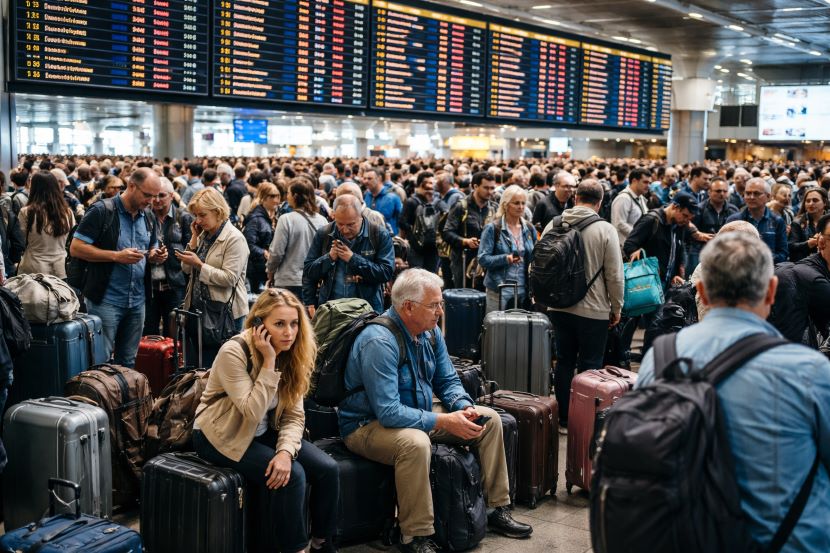
Hundreds of travellers across Europe are facing unexpected disruption after widespread flight delays and cancellations hit some of the continent’s busiest aviation hubs. A total of 396 delays and 169 cancellations have been reported across key airports in the Netherlands, Italy, France, Germany, Austria and beyond, creating a ripple effect throughout European airspace. Major gateways including Amsterdam, Munich and Vienna are among those experiencing operational strain, impacting airlines such as KLM, easyJet and Lufthansa. For passengers travelling for business, holidays or onward long-haul connections, the disruption has resulted in missed flights, extended layovers and last-minute rebooking challenges. As peak travel demand continues to rise, airport congestion, air traffic control pressures and scheduling constraints are amplifying operational vulnerabilities. Travellers are being urged to monitor real-time updates, remain flexible with itineraries and allow additional connection time as Europe’s aviation network works to stabilise services amid mounting pressure.
London Gatwick (LGW): A Major Hub in Disarray
London Gatwick, one of the busiest airports in the UK, is facing significant travel disruptions, with 24 cancellations and 23 delays. These delays and cancellations have created chaos for passengers who are left scrambling to find alternative travel options. This is particularly concerning as Gatwick is a key hub for international flights to destinations worldwide. With continued congestion, passengers may face extended waiting times, leading to frustration and delays in their travel plans.
Amsterdam Schiphol (AMS): A Ripple Effect Across Europe
Amsterdam Schiphol, a vital gateway to Europe, is experiencing its own share of challenges with 23 cancellations and 61 delays. Schiphol has been one of the busiest airports in Europe, serving millions of passengers annually. As a hub for major international airlines, the cancellations and delays are likely to create a ripple effect on connecting flights, further complicating travel for thousands. This disruption affects not just travelers departing from Schiphol but also those relying on connecting flights, creating chaos across Europe’s airspace.
Malpensa International Airport (MXP): Shorter Delays but Not Without Impact
Milan’s Malpensa International Airport has seen 18 cancellations and 31 delays, creating a challenging situation for both leisure and business travelers. While not as severe as some other airports, the ongoing issues at Malpensa reflect the broader stress on European aviation, affecting travel plans and leading to longer wait times at one of Italy’s key international airports. Passengers are advised to check for updates as operations continue to be impacted.
Athens International Airport (ATH): Growing Delays Add to Travel Woes
Athens International Airport has witnessed 23 cancellations and 16 delays. Although not as severe as other airports, these disruptions can significantly impact travelers during peak periods. For those heading to Greece for leisure or business, flight disruptions may result in missed connections and tighter schedules. Travelers should stay informed of changes in flight statuses and expect potential knock-on delays across the Mediterranean region.
Charles de Gaulle/Roissy (CDG): A Major International Hub Grapples with Overload
Paris Charles de Gaulle Airport (CDG) is one of the busiest airports in Europe, handling numerous international flights daily. However, the airport has faced 29 cancellations and 72 delays, leading to increased stress for passengers flying in and out of the French capital. The backlog of flights has also strained air traffic control systems, contributing to further delays and flight diversions. Those traveling to or from Paris should be prepared for longer-than-usual wait times, particularly during peak hours.
Istanbul Airport (IST): Delays Create Uncertainty for Passengers
Istanbul Airport, a major hub between Europe and Asia, is grappling with 12 cancellations and 56 delays. As one of the largest airports in the world, these disruptions are concerning, particularly as Istanbul serves as a key connecting point for travelers across the globe. Passengers transiting through Istanbul are encouraged to allow for extra time when connecting between flights and be prepared for delays that could cause a ripple effect throughout Europe and the Middle East.
Bucharest Henri Coanda International Airport (OTP): Delays Add to Traveler Frustration
Bucharest Henri Coanda International Airport has reported 12 cancellations and 8 delays, creating inconvenience for travelers heading to Romania. While the numbers are relatively lower than other European airports, the disruptions still represent a challenge for both outbound and inbound passengers. Long waiting times at security and check-in counters are expected, as delays can further affect the smooth flow of operations at this Romanian airport.
Frankfurt International Airport (FRA): The Hub Faces Major Strains
Frankfurt International Airport, one of the busiest hubs in Europe, has seen 10 cancellations and 75 delays. As Germany’s central aviation hub, these disruptions are particularly troubling, with potential knock-on effects for flights across Europe and beyond. The extensive delays and cancellations reflect the ongoing pressure on the European air transport sector, which is struggling to handle the growing passenger numbers amidst unpredictable delays. Passengers are advised to expect longer waiting times and check for alternative flights in case of cancellations.
Munich International Airport (MUC): Disruptions Continue at Key European Hub
Munich International Airport, another key German hub, is facing 10 cancellations and 33 delays. This disrupts travel across Europe and adds to the ongoing challenges that airlines and passengers face. With a high volume of connections and international travelers, the delays could lead to longer transit times and overcrowding in terminals. Passengers are urged to check for real-time flight updates before heading to the airport.
Vienna International Airport (VIE): Affected by Minor Delays
Vienna International Airport, while not as severely impacted, has experienced 8 cancellations and 21 delays, causing minor disruptions to travel. While these numbers are lower compared to other major airports, they still highlight the strain that European airports are under. Passengers are encouraged to stay in close communication with airlines to avoid any confusion regarding flight changes.
Major Flight Disruptions at Key European Airports: What Travelers Need to Know
With air travel surging across Europe, recent reports highlight severe disruptions at several major airports, leaving travelers scrambling for alternatives. Whether you’re traveling for business, leisure, or connecting flights, these delays and cancellations could affect your plans. Here’s a quick overview of the chaos at Europe’s busiest airports:
London Gatwick (LGW): A Major Hub in Disarray
Cancellations: 24
Delays: 23
London Gatwick, one of the busiest airports in the UK, has seen major disruptions. With extended waiting times, passengers may face flight rescheduling, causing delays for both inbound and outbound flights.
Amsterdam Schiphol (AMS): A Ripple Effect Across Europe
Cancellations: 23
Delays: 61
Schiphol Airport, a central European gateway, is struggling with significant delays and cancellations. As a key connecting hub, these disruptions are causing a ripple effect, impacting travelers across the continent.
Malpensa International Airport (MXP): Shorter Delays but Not Without Impact
Cancellations: 18
Delays: 31
While Malpensa is not as severely affected, the ongoing issues have led to longer wait times, particularly for travelers flying to and from Italy’s major international hub.
Athens International Airport (ATH): Growing Delays Add to Travel Woes
Cancellations: 23
Delays: 16
Although the disruptions are not as severe as other airports, passengers heading to Greece for leisure or business are advised to check for delays, as connections may be missed and schedules tightened.
Charles de Gaulle/Roissy (CDG): A Major International Hub Grapples with Overload
Cancellations: 29
Delays: 72
Paris’ Charles de Gaulle Airport has been severely impacted by a backlog of flights. The strain on air traffic control systems has led to longer-than-usual wait times, with passengers advised to prepare for potential diversions.
Istanbul Airport (IST): Delays Create Uncertainty for Passengers
Cancellations: 12
Delays: 56
As one of the largest airports in the world, Istanbul is feeling the pressure. These delays are particularly concerning for passengers transiting through the city, as connecting flights may be disrupted.
Bucharest Henri Coanda International Airport (OTP): Delays Add to Traveler Frustration
Cancellations: 12
Delays: 8
Bucharest’s Henri Coanda Airport has reported disruptions, causing frustration for travelers heading to Romania. While the delays are smaller in scale, they still create a challenging travel experience.
Frankfurt International Airport (FRA): The Hub Faces Major Strains
Cancellations: 10
Delays: 75
Frankfurt International, one of Europe’s busiest hubs, is under pressure with a large number of delays. These disruptions are causing delays not just within Germany, but also throughout Europe and beyond.
Munich International Airport (MUC): Disruptions Continue at Key European Hub
Cancellations: 10
Delays: 33
Munich International is also facing disruptions that are extending travel times for both international and domestic travelers. Longer transit times and overcrowded terminals are expected.
Vienna International Airport (VIE): Affected by Minor Delays
Cancellations: 8
Delays: 21
Although Vienna is facing fewer cancellations and delays, travelers should stay informed of flight updates as minor disruptions can still affect schedules.
Navigating the European Airport Chaos
Flight cancellations and delays are impacting numerous European airports, creating significant disruptions for travelers across the continent. Whether you’re traveling for business or leisure, it’s crucial to stay up to date on your flight status. With the aviation industry still grappling with rising passenger numbers and unpredictable delays, passengers are advised to plan ahead and allow for extra time at the airport.
Check your flight status frequently, stay connected with your airline, and be prepared for potential delays or alternative flight arrangements. In an ever-changing travel landscape, flexibility and patience will be key to navigating the disruption at Europe’s major airports.
Some Affected Airlines Due To This Cancellation
easyJet Faces Disruptions with Cancellations and Delays Across European Routes
easyJet is facing disruptions, with 6 cancellations and 10 delays, causing inconvenience for passengers. As one of the leading low-cost airlines in Europe, these disruptions are likely to affect travelers’ plans, particularly for those heading to popular holiday destinations or business trips. Passengers are advised to check their flight statuses regularly and stay in touch with the airline for any alternative arrangements or rebooking options. These delays and cancellations are reflective of the broader challenges faced by the aviation industry, with increased passenger traffic and unpredictable operational issues affecting travel across the continent.
KLM Flight Disruptions Impact European Travel Plans
KLM Royal Dutch Airlines faced operational challenges with five flight cancellations and 27 delays, creating ripple effects for travellers across key European and intercontinental routes. The disruptions are likely to affect passengers connecting through Amsterdam’s Schiphol Airport, a major hub for global travel, potentially leading to missed onward connections, extended layovers and rebooking delays. Leisure travellers heading to spring destinations and business passengers on tight schedules may experience itinerary adjustments, while tour operators and travel planners could see short-term scheduling pressures. Travellers flying with KLM are advised to monitor flight status updates closely, check rebooking options, and allow extra transit time as the airline works to restore normal operations.
Lufthansa Operations Remain Largely Stable for Travellers
Lufthansa reported minimal disruption to its flight schedule, with no cancellations and just one delayed service, signalling largely smooth operations for passengers across its European and long-haul network. For travellers connecting through major hubs such as Frankfurt and Munich, the near-normal performance reduces the risk of missed onward flights and extended layovers, offering reassurance during a period when broader aviation networks may be facing operational pressures. Business and leisure passengers alike can expect continuity in travel plans, though standard advice remains to check real-time flight updates and allow adequate connection time, particularly on multi-leg international journeys.
Wizz Air Maintains Steady Operations with Minimal Disruption
Wizz Air reported no flight cancellations and only one delay across its network, reflecting stable operations for travellers flying on the low-cost carrier’s extensive European and regional routes. The limited disruption is reassuring for passengers heading on short city breaks, family holidays, or business trips, particularly through key bases in Central and Eastern Europe where tight turnaround schedules are common. With schedules largely intact, travellers can expect minimal impact on onward connections and ground arrangements, though it remains advisable to monitor flight status updates and arrive at the airport with standard buffer time to accommodate any last-minute operational adjustments.
KLM Reports Near-Normal Operations Across Network
KLM Royal Dutch Airlines recorded no cancellations and just one delayed flight, indicating largely smooth operations for travellers moving through its global network via Amsterdam Schiphol Airport. The minimal disruption offers reassurance to both leisure and business passengers, particularly those relying on tight connections across Europe, North America, and Asia. With schedules running close to plan, the likelihood of missed onward flights or extended layovers remains low, supporting steady travel flows during the current operating period. As always, passengers are encouraged to check live flight updates and allow standard connection time, especially when travelling on multi-leg international itineraries.
Turkish Airlines Operations Remain Largely On Schedule
Turkish Airlines reported no flight cancellations and only one delay, signalling stable operations for travellers across its extensive global network connecting through Istanbul Airport. The limited disruption is positive news for passengers transiting between Europe, Asia, the Middle East and Africa, where tight connection windows can often be a concern. With schedules running largely as planned, the risk of missed onward flights or itinerary changes appears minimal, supporting smooth travel flows for both business and leisure travellers. Passengers are still advised to monitor real-time flight updates and maintain standard connection buffers, particularly on long-haul or multi-segment journeys.
European Flight Disruptions and Stable Operations: What Travellers Need to Know Now
Air travel across Europe is showing a mixed picture, with some airlines facing operational hiccups while others continue to run smoothly. For travellers planning spring holidays, business trips, or connecting long-haul journeys, staying updated is more important than ever. Here’s a quick, easy-to-read breakdown of the current situation across major European carriers — with a clear travel focus to help you plan smarter.
easyJet: Noticeable Disruptions on European Routes
6 cancellations and 10 delays reported.
Impact likely on popular holiday hotspots and short-haul business routes.
Passengers may face last-minute schedule changes and rebooking challenges.
Travellers should monitor flight status frequently and explore alternative arrangements early.
Reflects broader operational pressures across Europe amid rising passenger demand.
KLM: Mixed Operational Performance
5 cancellations and 27 delays affected services.
Significant impact possible for passengers connecting via Amsterdam Schiphol Airport.
Risk of missed onward connections and longer layovers on intercontinental routes.
Travel planners and tour operators may see temporary scheduling strain.
Lufthansa: Strong Operational Stability
No cancellations and only 1 delay recorded.
Smooth operations across Frankfurt and Munich hubs.
Low risk of missed connections for both short-haul and long-haul travellers.
Ideal for business travellers and tight connection itineraries.
Standard advice: check real-time updates before departure.
Wizz Air: Minimal Disruption Across Network
0 cancellations and 1 delay reported.
Stable performance across Central and Eastern Europe routes.
Limited impact on city breaks, family trips, and regional travel plans.
Onward connections and ground transport arrangements remain largely unaffected.
Turkish Airlines: Operating Largely as Scheduled
No cancellations and just 1 delay noted.
Smooth connectivity through Istanbul Airport.
Positive outlook for travellers moving between Europe, Asia, Africa, and the Middle East.
Minimal risk for multi-segment and long-haul journeys.
European Airports Face Heavy Delays While Major Airlines Show Operational Resilience
European air travel is currently experiencing uneven disruption, with several major airports reporting significant cancellations and delays even as many airlines maintain relatively stable schedules. London Gatwick recorded 24 cancellations and 23 delays, Amsterdam Schiphol saw 23 cancellations and 61 delays, Paris Charles de Gaulle faced 29 cancellations and 72 delays, and Frankfurt reported 10 cancellations alongside 75 delays, while Istanbul Airport logged 12 cancellations and 56 delays — creating ripple effects across European and intercontinental connections. Other hubs including Milan Malpensa, Athens, Munich, Vienna and Bucharest also experienced moderate operational strain, adding pressure during a high-demand travel period. On the airline side, easyJet reported 6 cancellations and 10 delays, and KLM initially faced 5 cancellations and 27 delays before stabilising to near-normal performance with just 1 delay, whereas Lufthansa, Wizz Air and Turkish Airlines each recorded either no cancellations or only a single delay, signalling operational resilience. Overall, the current landscape suggests that airport congestion and broader airspace challenges are driving much of the disruption rather than widespread airline instability, making it essential for travellers to monitor live flight updates, allow extra connection time at major hubs, and plan with flexibility as Europe’s aviation network works to manage peak travel pressures.
What This Means for Travellers
Disruptions are selective, not widespread across all carriers.
Major full-service airlines are maintaining strong schedule reliability.
Low-cost carriers may experience occasional short-haul disruptions.
Transit hubs remain operational but travellers should factor in buffer time.
Real-time flight tracking and flexible planning are key to stress-free travel.
Conclusion
The scale of 396 delays and 169 cancellations underscores the fragile balance currently facing Europe’s aviation sector. While airlines such as KLM, easyJet and Lufthansa continue to operate the majority of their schedules, the concentration of disruptions at major hubs like Amsterdam, Munich and Vienna highlights how quickly airport congestion can cascade into wider regional delays. For travellers, the immediate priority is preparation — checking flight status frequently, arriving earlier at airports and staying informed about rebooking or compensation policies. As the summer travel season approaches, flexibility will remain essential for both leisure and business passengers navigating Europe’s busy air corridors. Although the broader network remains operational, this wave of disruption serves as a reminder that interconnected air travel systems are highly sensitive to operational strain. Careful planning, buffer time between connections and proactive communication with airlines can help minimise the impact of ongoing delays across Europe.
Source:- FlightAware and Different Airports
The post Hundreds of Travellers Stranded In Europe As Netherlands, Italy, France And Others Delay 396 And Cancelled 169 Flights, Impacting KLM, easyJet, Lufthansa And More In Amsterdam, Munich, Vienna And More appeared first on Travel And Tour World.
Source: travelandtourworld.com


Sorry, the comment form is closed at this time.