


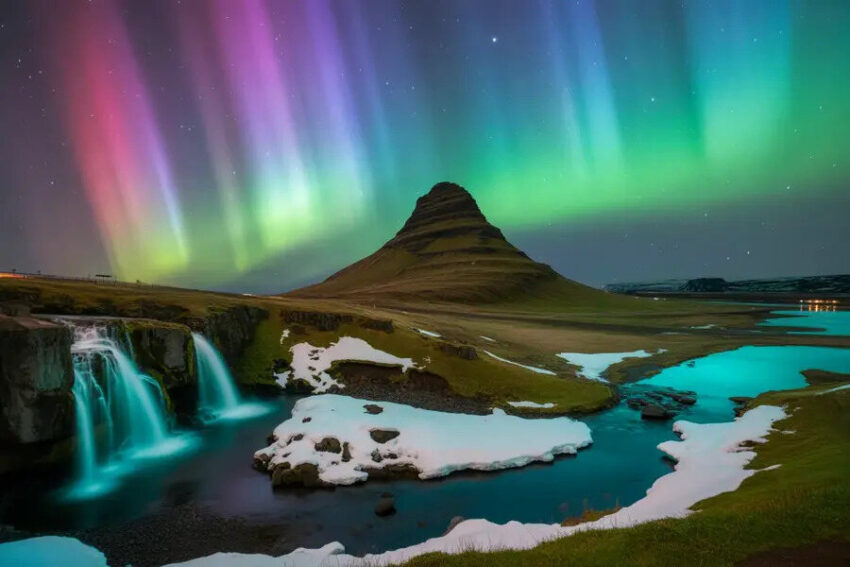
Iceland Overtakes Ireland, Austria, Switzerland, Portugal, Denmark, Slovenia and More in Europe as Reykjavik Soars To The Top Of Global Safety Rankings in 2026
Iceland Overtakes Ireland, Austria, Switzerland, Portugal, Denmark, Slovenia and More in Europe as Reykjavik Soars To The Top Of Global Safety Rankings in 2026
Reykjavik, Iceland, soared to the top of the Global Safety Rankings as the world’s safest city in 2026, surpassing nations like Ireland, Austria, Switzerland, Portugal, Denmark, Slovenia, and more in Europe. Iceland’s low crime rate, lack of a standing army, social stability, and high levels of community trust all contribute to this amazing accomplishment. Travelers who prioritize security and peace of mind in an increasingly uncertain world will find Reykjavik to be the perfect destination due to its exceptional performance in societal safety, political neutrality, and effective governance, which has allowed it to surpass major global cities.
In an increasingly unpredictable world, travelers value safety just as much as the destinations they visit. As global uncertainty shapes the way people approach their vacations, safety is no longer something taken for granted. It is now a critical factor when selecting travel destinations, especially as crime rates, terrorism risks, and geopolitical tensions continue to shift. In 2026, Reykjavik, Iceland’s capital, stands out by being officially named the safest city in the world, surpassing other renowned global destinations in safety metrics. This exceptional achievement underscores Reykjavik’s long-standing reputation for calm, trust, and livability, offering a harmonious blend of natural beauty, cultural richness, and unparalleled safety.
Why Reykjavik Became the Safest City in the World in 2026
The recognition of Reykjavik as the world’s safest city is not arbitrary. It is backed by the Global Peace Index (GPI), a comprehensive report that measures peace across three primary domains: societal safety and security, ongoing domestic and international conflict, and militarization. This index, which includes rankings from cities and countries around the world, provides travelers with a clear understanding of where they can feel secure. Reykjavik’s ascent to the top reflects the comprehensive safety measures in place, including Iceland’s commitment to social stability, effective policing, and the absence of a standing army.
The GPI score for Reykjavik stands at an outstanding 1.095, which places it at the forefront of safety globally. Iceland has held the top spot on the Global Peace Index since 2008, thanks to its exceptional performance in several critical areas, including low crime rates, minimal militarization, and high levels of social trust. This global recognition proves that Iceland’s commitment to peace isn’t just a statistic, but a lived reality for both its residents and visitors.
Reykjavik’s Low Crime Rates and High Social Trust
One of the strongest factors contributing to Reykjavik’s safety ranking is Iceland’s remarkably low crime rate. Violent crime in Iceland is almost non-existent, and the rates for serious offenses such as armed robbery or assault are significantly lower than those seen in larger cities worldwide. The GPI findings reveal that Reykjavik’s crime rate is among the lowest in the world, and its peacefulness extends far beyond the tourist areas, making it a safe haven for residents and visitors alike.
In Iceland, a strong sense of social trust plays a pivotal role. Icelanders are known for their collective sense of responsibility, which is why it’s common to see children playing outside unattended or bicycles left unlocked. This public trust in one another strengthens the fabric of Reykjavik’s peaceful atmosphere and contributes significantly to its high rankings in safety. Iceland’s emphasis on equality through its robust social welfare system, including healthcare, education, and social services, ensures that many of the pressures that contribute to crime in larger cities are mitigated.
Moreover, Iceland’s lack of a standing army and low militarization contribute to the nation’s peaceful standing. The country is one of the few NATO members without a permanent military, which has allowed Reykjavik to maintain an almost perfect score in the militarization domain of the Global Peace Index.
Reykjavik’s Walkability and Visitor-Friendliness
Reykjavik’s compact layout enhances its appeal to tourists, offering a walkable city that visitors can navigate with ease. With streets that are well-lit, clear signage, and a city center that is easily accessible by foot, Reykjavik is designed to make tourists feel safe and comfortable. The city’s public transportation is efficient, but many visitors prefer to explore on foot, taking in the scenic surroundings as they go.
A highlight of Reykjavik is its vibrant yet relaxed atmosphere, which is defined by colorful buildings, cozy cafes, boutique shops, and scenic streets such as Laugavegur and Skólavörðustígur. The absence of overcrowding, even during peak travel seasons, allows visitors to enjoy the city’s charm without feeling rushed or unsafe.
Reykjavik is also home to some of Iceland’s most iconic landmarks, including Hallgrímskirkja, a church designed to reflect the island’s volcanic landscapes. From the top of Hallgrímskirkja, visitors are treated to panoramic views of the city, its surrounding mountains, and the Atlantic Ocean, showcasing the stunning natural beauty that Iceland has to offer.
A Cultural and Artistic Hub
Beyond its safety and stunning landscapes, Reykjavik boasts a rich cultural scene that offers a variety of experiences for visitors. The city’s Harpa Concert Hall and Conference Centre, with its striking glass façade, reflects the interplay of light between the sky and sea and serves as a hub for concerts, festivals, and cultural events. This blend of modern architecture and tradition is one of Reykjavik’s defining features.
Museums like the National Museum of Iceland and the Reykjavík Art Museum showcase Iceland’s history, from its Viking roots to contemporary artistic achievements. The city’s public art installations, such as the Sun Voyager sculpture along the shoreline, further strengthen Reykjavik’s cultural identity. These artistic endeavors underscore the city’s commitment to exploration, storytelling, and preservation of its unique heritage.
Easy Access to Iceland’s Natural Wonders
Reykjavik’s location offers travelers easy access to some of the world’s most dramatic natural landscapes. Just outside the city, visitors can explore the Golden Circle, a popular tourist route that takes them to iconic sites like Þingvellir National Park, the erupting geysers at the Geysir area, and the powerful Gullfoss waterfall. These natural wonders are easily accessible in a single day, making Reykjavik a perfect base for day trips.
Additionally, visitors can unwind at Iceland’s famous Blue Lagoon or the Sky Lagoon, geothermal spas that combine relaxation with breathtaking natural beauty. The country’s glaciers, including Langjökull and Vatnajökull, offer opportunities for adventure, including ice cave explorations and guided hikes.
Reykjavik as a Secure Base for Exploration
Reykjavik is not only a destination in its own right but also serves as a secure base for exploring the rest of Iceland. The Ring Road, which circles the island, can be driven in approximately 10 days, starting and ending in Reykjavik. With well-maintained roads, reliable emergency services, and a highly developed tourism infrastructure, travelers can enjoy Iceland’s remote beauty with the reassurance of a safe and reliable network of support.
Whether embarking on a road trip across the country or taking a day trip to the Golden Circle, Reykjavik provides travelers with peace of mind as they explore Iceland’s rugged beauty and natural wonders. Its international airport connections, medical facilities, and hospitality standards ensure that visitors enjoy a safe and comfortable stay.
The Global Comparison: Iceland vs. Europe’s Safest Countries
Reykjavik’s position as the world’s safest city is impressive, but it’s essential to compare it with other safe destinations across Europe. Below is a look at some of the safest countries in Europe, all of which have impressive safety records but still trail behind Iceland in the Global Peace Index (GPI):
Ireland
Global Rank: #2 | GPI Score: 1.260
Key Insights: Ireland’s long-standing neutrality and low levels of violent crime contribute to its exceptional safety score. The country is consistently ranked high for societal safety and security.
Austria
Global Rank: #4 | GPI Score: 1.294
Key Insights: Austria excels in social security and judicial effectiveness. Its strong relations with neighboring countries and minimal internal conflict further solidify its safety.
Switzerland
Global Rank: #5 | GPI Score: 1.294
Key Insights: Known for its armed neutrality, Switzerland’s safety is bolstered by its low crime rates and high-functioning institutions, despite its arms export industry.
Portugal
Global Rank: #7 | GPI Score: 1.371
Key Insights: Portugal’s rise in the safety rankings is attributed to its low militarization, political stability, and minimal crime, making it one of the safest places to visit in Europe.
Denmark
Global Rank: #8 | GPI Score: 1.393
Key Insights: Denmark’s strong levels of social trust and political stability ensure a peaceful environment, though its increased defense spending has slightly impacted its militarization score.
Slovenia
Global Rank: #9 | GPI Score: 1.409
Key Insights: Slovenia offers a green and safe environment with high safety standards and low crime rates, making it an ideal destination for visitors seeking peace of mind.
Finland
Global Rank: #10 | GPI Score: 1.420
Key Insights: Finland, with its resilience and low corruption, stands as a beacon of safety. Its recent NATO accession slightly increased militarization but has not affected its safety scores.
Czechia (Czech Republic)
Global Rank: #11 | GPI Score: 1.435
Key Insights: Known for its low crime rates and high political stability, Czechia is often considered one of the safest destinations in Central Europe, particularly for tourists.
In 2026, Reykjavik, Iceland, overtook Ireland, Austria, Switzerland, Portugal, Denmark, Slovenia, and others in Europe to become the safest city in the world, thanks to its exceptionally low crime rates, lack of a standing army, and strong social trust. These factors, combined with its political neutrality and high levels of community stability, have propelled Reykjavik to the top of global safety rankings.
Iceland’s capital, Reykjavik, has set a remarkable standard for global safety in 2026. As the safest city in the world, it offers more than just security—it provides an environment where travelers can explore with a sense of freedom and ease. From its low crime rates to its commitment to social stability and inclusivity, Reykjavik offers a peace of mind that enhances its natural and cultural beauty. For those seeking a destination that balances safety with inspiration, Reykjavik is an unbeatable choice.
The post Iceland Overtakes Ireland, Austria, Switzerland, Portugal, Denmark, Slovenia and More in Europe as Reykjavik Soars To The Top Of Global Safety Rankings in 2026 appeared first on Travel And Tour World.
Source: travelandtourworld.com



Sorry, the comment form is closed at this time.