


Iceland Surpasses Switzerland, Norway, Finland, Denmark, Singapore, New Zealand, Japan, Luxembourg, and Canada to Reign as the Ultimate Safest Country in 2026, Offering Unbeatable Security for Travelers Worldwide
Iceland Surpasses Switzerland, Norway, Finland, Denmark, Singapore, New Zealand, Japan, Luxembourg, and Canada to Reign as the Ultimate Safest Country in 2026, Offering Unbeatable Security for Travelers Worldwide
Iceland has claimed the top spot in the 2026 safety rankings, surpassing countries like Switzerland, Norway, and Finland, thanks to its unmatched combination of low crime rates, political stability, and resilience to natural risks. The country’s robust healthcare system, high levels of public trust, and effective management of environmental hazards, such as volcanic activity, make it a secure and reliable destination for travelers. As global tourism continues to grow, Iceland stands out as the ultimate safe haven, providing peace of mind for those seeking a secure and worry-free travel experience.
Iceland has claimed the top spot in the 2026 safety rankings, surpassing countries like Switzerland, Norway, and Finland, thanks to its unmatched combination of low crime rates, political stability, and resilience to natural risks. The country’s robust healthcare system, high levels of public trust, and effective management of environmental hazards, such as volcanic activity, make it a secure and reliable destination for travelers. As global tourism continues to grow, Iceland stands out as the ultimate safe haven, providing peace of mind for those seeking a secure and worry-free travel experience.
In 2026, travelers are increasingly prioritizing safety as a key consideration when choosing destinations. The HelloSafe Safety Index has ranked the safest countries in the world for this year, offering travelers peace of mind through a detailed analysis of 50 nations. The ranking evaluates each country’s safety by assessing five key areas: public safety, political stability, health security, cybersecurity, and resilience to environmental risks, such as natural disasters. While some safety indices focus narrowly on crime or peace, this broader approach recognizes that modern travelers also care deeply about access to reliable healthcare and digital security. Ensuring resilience to environmental hazards is just as important as low crime rates and a stable government.
Leading Safe Destinations: Europe at the Forefront
Europe continues to dominate the rankings of the safest countries, bolstered by strong institutions, excellent infrastructure, and low violent crime rates. The region is known for its high standards in both social systems and public services, ensuring travelers can enjoy a sense of security.
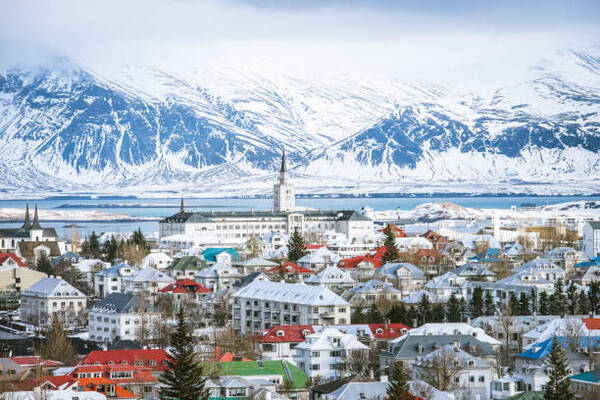
Iceland stands at the top of the index with an impressive score of 92.4 out of 100. The country boasts extremely low crime rates, strong political stability, and world-class healthcare. Even with its occasional volcanic activity, Iceland manages natural risks effectively, making it a consistently safe destination for travelers.
Switzerland follows closely behind, scoring 91.1. Known for its political reliability and highly effective healthcare system, Switzerland is a safe destination for tourists. The country’s cybersecurity measures are also robust, providing digital security alongside physical safety.
Norway claims third place with a score of 90.85. Norway shares many of the same advantages as its Scandinavian neighbors, including high levels of trust in society and well-functioning emergency services. Its urban environments are safe, with minimal threats to residents or visitors.
Finland (90.6) and Denmark (89.95) also rank among the safest countries, solidifying Northern Europe’s reputation as a hub for safety and security. These nations have consistently high standards for healthcare, public infrastructure, and environmental resilience, making them desirable destinations for peace of mind.
Asia’s Strong Contenders
Asia is well-represented on the list, with countries in the region also earning top rankings for safety. Among these, Singapore stands out with a score of 88.7, securing 6th place overall. The city-state is renowned for its low crime rates, orderly streets, and advanced healthcare system. Its digital infrastructure is also top-tier, making it an ideal destination for both business and leisure travelers.
Japan is another notable contender, consistently ranking among the top 10 safest countries globally. Japan’s highly organized systems, low crime rates, and excellent public health infrastructure contribute to its reputation as a safe haven for tourists. The country’s dedication to public safety and its robust emergency services further solidify its place as one of the safest destinations in Asia.
Safe Havens Outside of Europe and Asia
While Europe and Asia dominate the top spots, safety is by no means confined to these continents. Other regions of the world also offer travelers secure experiences, supported by stable governments and resilient infrastructures.
Oceania is represented by New Zealand, which leads the region as the safest country. The country’s stable government, high quality of life, and strong crisis response systems make it an attractive destination for travelers seeking peace of mind. New Zealand offers a relaxed yet secure environment, making it ideal for both adventure tourism and peaceful retreats.
In North America, Canada is recognized as a safe haven. The country ranks highly in multiple safety categories, including political stability, public health, and infrastructure. Canada’s low crime rates and minimal environmental risks further reinforce its position as a safe destination for travelers seeking both relaxation and exploration.
Chile ranks highest in South America, where it offers travelers safety and stability amid a diverse geographical landscape. The country’s infrastructure is well-developed, and its political environment remains relatively stable, making it a dependable choice for those looking to explore South America with a sense of security.
In Africa, Morocco emerges as the continent’s leader in safety. The country provides travelers with secure conditions and a solid infrastructure, making it a popular destination for those seeking both adventure and stability in Africa. Morocco’s political stability and growing tourism sector make it an increasingly attractive place to visit.
The Growing Importance of Safety in 2026
As global travel continues to rebound, the importance of safety remains paramount. Cybersecurity, climate-related events, and healthcare access are no longer secondary considerations; they are central to the decision-making process for travelers. The growing prominence of these factors, combined with the ongoing need for secure travel experiences, makes the HelloSafe Safety Index an invaluable tool for those looking to make informed travel choices.
The Top 10 Safest Countries in 2026:
Iceland
Switzerland
Norway
Finland
Denmark
Singapore
New Zealand
Japan
Luxembourg
Canada
These countries represent the pinnacle of safety and stability in 2026. Whether seeking reliable healthcare, cybersecurity, political stability, or resilience to environmental risks, travelers can rest assured that these destinations offer the peace of mind they deserve. Safe travel is not only about avoiding danger but also about being prepared for unexpected challenges, and these countries have proven their commitment to providing a secure environment for all who visit.
The post Iceland Surpasses Switzerland, Norway, Finland, Denmark, Singapore, New Zealand, Japan, Luxembourg, and Canada to Reign as the Ultimate Safest Country in 2026, Offering Unbeatable Security for Travelers Worldwide appeared first on Travel And Tour World.
Source: travelandtourworld.com



Sorry, the comment form is closed at this time.