


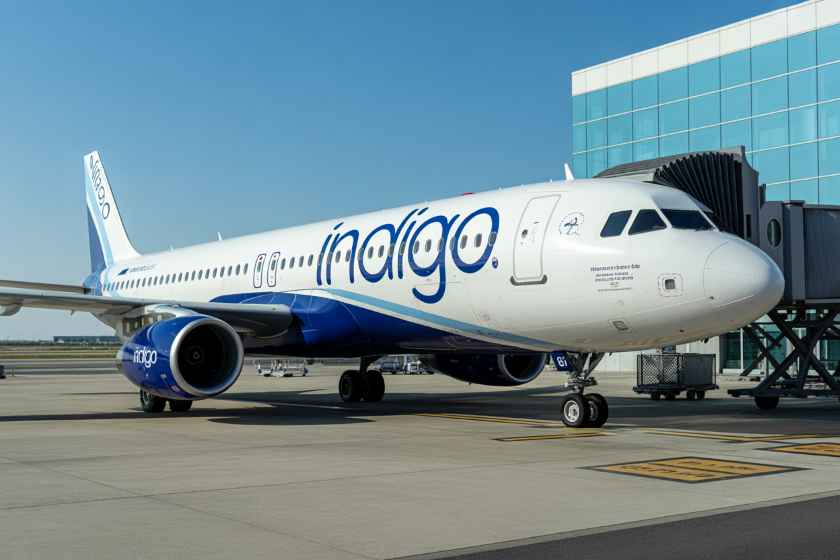
India’s IndiGo Redefines Long-Haul Travel with New One-Stop Flights to Istanbul, Transitioning to Airbus A320 and A321XLR Aircraft While Phasing Out Boeing 777
India’s IndiGo Redefines Long-Haul Travel with New One-Stop Flights to Istanbul, Transitioning to Airbus A320 and A321XLR Aircraft While Phasing Out Boeing 777
India’s IndiGo is reshaping long-haul travel by introducing one-stop flights to Istanbul, transitioning to more fuel-efficient Airbus A320 and A321XLR aircraft, and phasing out its leased Boeing 777 jets. This strategic move comes as part of the airline’s effort to optimize fleet utilization, reduce operational costs, and enhance sustainability. By leveraging narrow-body aircraft for the route, IndiGo is not only ensuring greater fuel efficiency but also addressing the challenges of airspace congestion and capacity constraints. The decision reflects the airline’s broader plan to transition from temporary wide-body jets, previously used to fill gaps caused by aircraft delivery delays, to its own modern, more cost-effective fleet.
IndiGo Set to Launch One-Stop Flights to Istanbul with Airbus A320, Phasing Out Boeing 777 Lease in 2026
India’s largest airline, IndiGo, has secured regulatory approval to operate one-stop flights to Istanbul, utilizing narrow-body Airbus A320 aircraft. This move signals a shift in the airline’s strategy as it prepares to phase out its current wide-body Boeing 777 operations on the same route. The new services will involve a technical stop at Ras Al Khaimah in the UAE, marking a significant operational change for the airline.
Key Transition to A320 and A321XLR Aircraft
The interim plan, which will be implemented starting February 28, 2026, will see IndiGo running these flights using Airbus A320 aircraft from its hubs in Mumbai and Delhi. This arrangement will remain in place until IndiGo introduces its second Airbus A321XLR, expected by the end of March 2026. The first A321XLR-equipped flight to Istanbul is scheduled to operate on the Mumbai-Istanbul route, reflecting the airline’s plans to boost its long-haul capabilities.
Strategic Shift Away from Leased Boeing 777s
This transition comes as IndiGo prepares to return its Boeing 777 aircraft, which it had been operating under a wet-lease agreement with Turkish Airlines. The wide-body jets were initially brought in as a temporary solution to manage high-demand long-haul services, filling capacity gaps caused by aircraft groundings and delays in deliveries. However, the lease agreements for these jets were always intended to be short-term, with extensions only granted on the condition that they would be phased out.
This decision to return the Boeing 777s is tied not only to regulatory timelines but also to broader geopolitical factors that shape international aviation policies. These influences, combined with the airline’s evolving strategy, have resulted in the airline moving forward with its own fleet for key international routes.
Cost-Effective and Fuel-Efficient Aircraft Options
One of the driving forces behind the transition is IndiGo’s aim to optimize fleet utilization and improve operating economics. The airline has been looking into more fuel-efficient aircraft to reduce operational costs. Narrow-body long-range aircraft such as the Airbus A321XLR are known for their lower fuel burn and reduced trip costs compared to wide-body jets, making them an ideal choice for long-haul routes.
This move aligns with IndiGo’s overall strategy to streamline operations while keeping a firm grip on cost-efficiency. By using smaller, more fuel-efficient aircraft, the airline is better equipped to navigate the challenges of modern air travel, which includes fluctuating fuel prices and heightened environmental awareness in the aviation sector.
Airspace Constraints and Operational Efficiency
In recent months, IndiGo has also had to adjust parts of its long-haul network due to airspace closures and congestion at key international airports. As such, the technical halt in Ras Al Khaimah allows the airline to continue operating its services more efficiently amidst these constraints. The technical halt, while slightly lengthening the overall flight time, helps mitigate potential delays and ensures that operations run smoothly without affecting the quality of service offered to passengers.
Broader Implications for the Airline Industry
This decision by IndiGo has broader implications for the Indian aviation sector, especially for long-haul international operations. The airline’s strategic shift from leased Boeing 777 aircraft to its own fleet, particularly with the introduction of more efficient narrow-body jets, is likely to influence other carriers in the region. The move also highlights the growing trend among airlines to adopt more sustainable and cost-effective aircraft for long-distance routes.
For passengers, this means that they can expect a smoother and more efficient travel experience, even with a technical stop along the way. The introduction of the Airbus A321XLR on the Mumbai-Istanbul sector will not only enhance the flight experience but also demonstrate the airline’s commitment to long-term growth in the international market.
India’s IndiGo is redefining long-haul travel by introducing one-stop flights to Istanbul using fuel-efficient Airbus A320 and A321XLR aircraft, while phasing out leased Boeing 777 jets. This shift aims to optimize fleet utilization, reduce costs, and enhance operational efficiency.
Country Impact:
India: IndiGo’s expansion and strategy to phase out leased aircraft marks a pivotal shift in its operations. By using narrow-body A320 and A321XLR aircraft, the airline positions itself as a more efficient carrier for long-haul routes.
Turkey: Istanbul’s strategic location as a key European gateway is reinforced by IndiGo’s growing presence, boosting connectivity between India and Turkey.
United Arab Emirates (UAE): Ras Al Khaimah will serve as a critical technical stop, strengthening the UAE’s role in international aviation transit and adding to its reputation as a hub for long-haul travel.
Other regions: The phasing out of wide-body jets and the transition to more efficient aircraft may influence global aviation strategies, particularly in terms of operational economics and environmental impact.
The post India’s IndiGo Redefines Long-Haul Travel with New One-Stop Flights to Istanbul, Transitioning to Airbus A320 and A321XLR Aircraft While Phasing Out Boeing 777 appeared first on Travel And Tour World.
Source: travelandtourworld.com



Sorry, the comment form is closed at this time.