


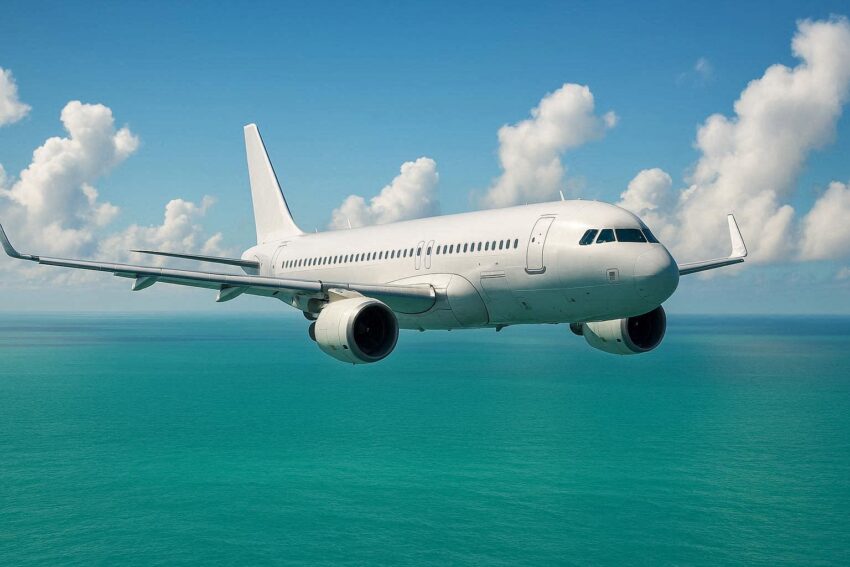
Indonesia Seals Historic US Trade Pact, Purchasing 50 Boeing Jets to Boost Aviation Growth and Strengthen Economic Ties with America
Indonesia Seals Historic US Trade Pact, Purchasing 50 Boeing Jets to Boost Aviation Growth and Strengthen Economic Ties with America
On February 20, 2026, Indonesia and the United States made history by signing a major trade agreement, enhancing their economic cooperation and strengthening ties between the two nations. This Agreement of Reciprocal Trade introduces key tariff adjustments and industrial commitments, most notably Indonesia’s purchasing agreement for 50 Boeing jets. The deal aims to realign trade relations while boosting Indonesia’s growing aviation sector.
The agreement not only symbolizes a stronger bilateral trade relationship but also serves as a crucial step in Indonesia’s broader aviation strategy. By acquiring Boeing’s state-of-the-art aircraft, Indonesia plans to modernize its aviation fleet and expand both domestic and regional air connectivity. This move is expected to drive long-term growth for the Southeast Asian nation, which continues to experience a surge in passenger demand.
The terms of this landmark deal also see the reduction of tariffs on Indonesian exports to the United States, marking a shift towards more balanced and mutually beneficial trade practices. As a result, this trade agreement signifies a significant leap forward in both aviation and broader economic collaboration between the two countries.
Indonesia’s Boeing Jet Procurement: A Landmark Aviation Investment
As part of this historic trade deal, Indonesia has pledged to purchase 50 aircraft from Boeing, one of the world’s most renowned aerospace manufacturers. The decision to acquire these jets is seen as a major boost to Indonesia’s growing aviation ambitions. While the exact models of the aircraft have not been disclosed, the Boeing 737 MAX and Boeing 787 Dreamliner are expected to be key contenders. These aircraft are widely used by Southeast Asian airlines, aligning perfectly with Indonesia’s needs for efficient, cost-effective fleet expansion.
This deal is expected to enhance Indonesia’s aviation sector, providing it with cutting-edge technology and helping the nation maintain its competitive edge in an increasingly crowded airspace. With these new additions to the fleet, Indonesia will be well-positioned to serve its rapidly expanding market, which has seen a steady rise in domestic and international travel in recent years.
Trade Balance Reshaped: The Impact of Tariff Adjustments
One of the most significant components of the trade agreement involves the restructuring of tariff frameworks between the two nations. Under this new deal, Indonesian exports to the United States will now face a 19 percent tariff, a notable reduction from the previous 32 percent rate that had been in place since former US President Donald Trump’s administration. This reduction is expected to have a positive impact on various sectors of the Indonesian economy, particularly in manufacturing, agriculture, and technology exports.
In addition, Indonesia secured tariff-free access on 1,819 product lines, which will benefit key industries such as textiles, electronics, and food products. By gaining zero percent tariffs on these products, Indonesia aims to maintain its competitive position in global markets and further promote economic growth across multiple sectors.
Agricultural and Regulatory Adjustments: A Win for Both Countries
Beyond aviation and tariffs, the agreement addresses several other important sectors. Indonesia has agreed to make regulatory adjustments that will help facilitate the flow of agricultural exports from the United States. These changes include granting zero percent tariffs on certain U.S. commodities like soybeans and wheat, which will help lower production costs for staple food products within Indonesia. By reducing import duties on these key ingredients, the agreement supports food security and strengthens Indonesia’s position as a key player in Southeast Asia’s agricultural sector.
Another noteworthy aspect of the deal is the market liberalization provisions. Under the agreement, Indonesia has pledged to provide non-discriminatory market access for U.S. agricultural exports. Additionally, U.S. halal certification agencies will be allowed to certify U.S. products for export to Indonesia without additional domestic requirements, further promoting bilateral trade in halal-certified goods.
Expanding Market Access: U.S. Shredded Used Clothing and More
In a bid to further broaden the scope of the agreement, Indonesia has also agreed to allow the import of shredded used clothing from the United States. This move highlights the market liberalization efforts that have been a key component of the trade agreement. By opening up new markets for U.S. products, Indonesia aims to diversify its imports and foster closer economic integration with the United States.
The agreement also tackles other important regulatory issues, including customs and product certification standards, which will help both countries streamline trade processes and reduce barriers to entry in various industries.
Strengthening Bilateral Ties: A Broader Vision for Economic Growth
The aviation sector remains at the heart of the agreement, but the broader economic cooperation between Indonesia and the United States is expected to have far-reaching implications. The purchase of 50 Boeing jets not only underscores Indonesia’s ambition to modernize its aviation fleet but also signals the country’s commitment to a long-term, sustainable economic partnership with the United States.
As the aviation market in Southeast Asia continues to experience robust growth, the trade deal lays the foundation for an ongoing collaboration between the two countries, which will focus on fostering new investment opportunities, strengthening trade relations, and addressing key global challenges such as climate change and technological innovation.
A New Era of Economic Diplomacy
This landmark trade agreement between Indonesia and the United States marks the beginning of a new chapter in their bilateral relations, with a special focus on aviation expansion, market access, and economic growth. As Indonesia embarks on its journey of fleet expansion and economic development, the partnership with Boeing and the tariff restructuring are poised to bring lasting benefits to both nations.
Through this comprehensive agreement, Indonesia is set to strengthen its position as an aviation and economic powerhouse in Southeast Asia, further solidifying its role in the global marketplace.
The post Indonesia Seals Historic US Trade Pact, Purchasing 50 Boeing Jets to Boost Aviation Growth and Strengthen Economic Ties with America appeared first on Travel And Tour World.
Source: travelandtourworld.com



Sorry, the comment form is closed at this time.