


Indonesia’s Big Aviation Move Is Coming : Here’s Why You Should Care
Indonesia’s Big Aviation Move Is Coming : Here’s Why You Should Care
Indonesia is making bold moves in the aviation sector as the country restructures its state-owned airline industry. With Citilink and Pelita Air set to join forces under a new Garuda Indonesia-led holding company in the first quarter of 2026, this transformation promises to reshape the tourism landscape, offering more streamlined and efficient travel options for both domestic and international tourists.
Garuda Indonesia, the nation’s flagship carrier, will soon become the parent company of Citilink and Pelita Air, which were previously managed under Pertamina. This restructuring is set to create a more unified and coordinated aviation ecosystem that will be better equipped to meet the evolving needs of travelers, offering enhanced connectivity across Indonesia’s vast archipelago and beyond.
A New Beginning for Indonesia’s State-Owned Airlines
This reshaping of Indonesia’s state-owned airline sector is not just about financial restructuring. It’s a fundamental transformation designed to streamline operations, eliminate internal competition, and ensure that Indonesia’s aviation sector can better compete with other major players in the region. The move to create a holding company under Garuda Indonesia’s leadership comes with a clear vision to strengthen the country’s tourism sector by offering a more efficient and commercially viable airline network.
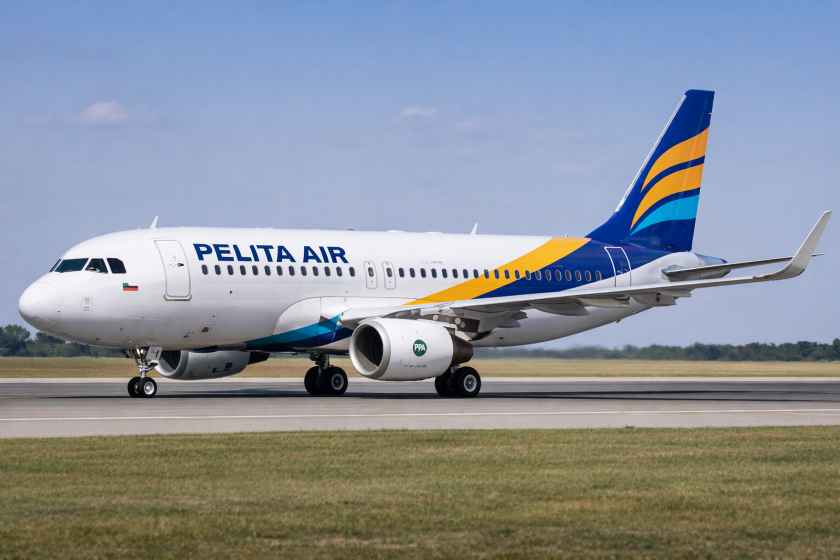
The new structure will place Garuda Indonesia (the full-service carrier) as the leader, Citilink (the low-cost carrier) as the budget-friendly option, and Pelita Air (the hybrid/regional carrier) with a unique position in the market. This clear segmentation will not only improve operational efficiency but also reduce market cannibalisation, benefiting both the tourism industry and passengers who are seeking the best travel options within Indonesia.
Boosting Tourism and Connectivity
The restructuring is poised to significantly enhance Indonesia’s tourism sector, which has long relied on its vibrant and diverse destinations. From the world-famous beaches of Bali to the cultural richness of Yogyakarta, Indonesia is a popular travel hub, and this transformation within the airline sector is expected to make travel even more accessible.
With the consolidation, travellers can expect:
Improved connectivity: The restructuring aims to boost both domestic and regional connectivity, which will be especially beneficial for tourists traveling to Indonesia’s far-flung islands. For instance, tourists can enjoy easier access to destinations like Labuan Bajo, home to the breathtaking Komodo National Park, or the vibrant cultural hub of Ubud in Bali.
Cost-effective options: Citilink’s low-cost model will make it easier for budget-conscious travelers to explore more of Indonesia, from Jakarta to Surabaya, without breaking the bank. As the airline network grows, tourists can look forward to better deals and more frequent flights to popular tourist hotspots.
Hybrid regional travel: Pelita Air’s hybrid model will cater to travelers who want to explore the less-visited parts of Indonesia. With more efficient regional flights, tourists can explore the hidden gems of Indonesia, such as Makassar and Manado, areas often overlooked by international visitors.
International routes: As Garuda Indonesia leads the holding company, tourists can expect more coordinated international flights to top destinations in Southeast Asia and beyond. Whether you’re planning to visit Singapore, Kuala Lumpur, or further destinations like Sydney or Tokyo, Garuda’s expanded reach will provide easier and more convenient international travel options.
A Stronger, More Resilient Aviation Network
The restructuring of Indonesia’s state-owned airlines under Garuda’s leadership is a critical step in building a more resilient aviation network. By eliminating internal competition, Garuda Indonesia can focus on consolidating resources, improving its fleet, and expanding its reach. For tourists, this means fewer disruptions and a smoother travel experience. Whether you’re flying from Medan to Denpasar or looking to catch a connecting flight from Bandung to Manila, this consolidation will ensure better coordination and reliability across all state-owned airlines.
Moreover, the aviation restructuring will help position Indonesia as a more competitive player in the region’s aviation sector. With improved financial stability and streamlined operations, the country is set to attract more international travelers, helping to boost the tourism industry and further promote Indonesia as a prime destination for cultural tourism, eco-tourism, and business travel.
What This Means for Tourists
Tourists traveling to Indonesia will benefit from an enhanced experience, as the country’s airline industry adapts to the evolving demands of the market. Improved customer service, seamless connections, and a broader choice of affordable and premium options are just the start. For those looking to explore Indonesia’s diverse regions, this restructuring will make it easier to visit more places, with smoother domestic connections and improved access to regional and international destinations.
Destinations such as Bali, Jakarta, Yogyakarta, and Lombok, which are integral to the tourism industry, will see a boost in traffic as the airline ecosystem improves. More affordable flights to Sumatra and Sulawesi will also open up opportunities for tourists to explore Indonesia’s hidden natural wonders, such as the pristine beaches of Wakatobi or the volcanic landscapes of Mount Bromo.
Conclusion: A New Era for Indonesian Tourism
The restructuring of Indonesia’s state-owned airline sector is more than just a financial move—it is a strategic decision that will drive the country’s tourism sector to new heights. By consolidating Citilink and Pelita Air under Garuda Indonesia, the country is paving the way for a more efficient, coordinated, and resilient airline network. This move promises improved connectivity, lower travel costs, and a smoother experience for tourists eager to explore Indonesia’s beauty and diversity.
For travellers, whether you are visiting the bustling capital of Jakarta, the serene beaches of Bali, or the rugged terrain of Papua, this transformation marks an exciting chapter in Indonesia’s tourism.
The post Indonesia’s Big Aviation Move Is Coming : Here’s Why You Should Care appeared first on Travel And Tour World.
Source: travelandtourworld.com



Sorry, the comment form is closed at this time.