


Iranian Drone Targets Dubai Hotels and Airports, Disrupt Gulf Tourism and Aviation: New Updates
Iranian Drone Targets Dubai Hotels and Airports, Disrupt Gulf Tourism and Aviation: New Updates
On March 1, 2026, the Gulf region witnessed one of the most severe disruptions to its aviation and tourism sectors in recent years. Iranian drone attacks targeted multiple high-profile locations, including luxury hotels and airports in Dubai, highlighting the strategic intent to destabilize the region’s critical role as a global tourism and aviation hub.
Drone Strikes Impact Dubai’s Tourism Icons
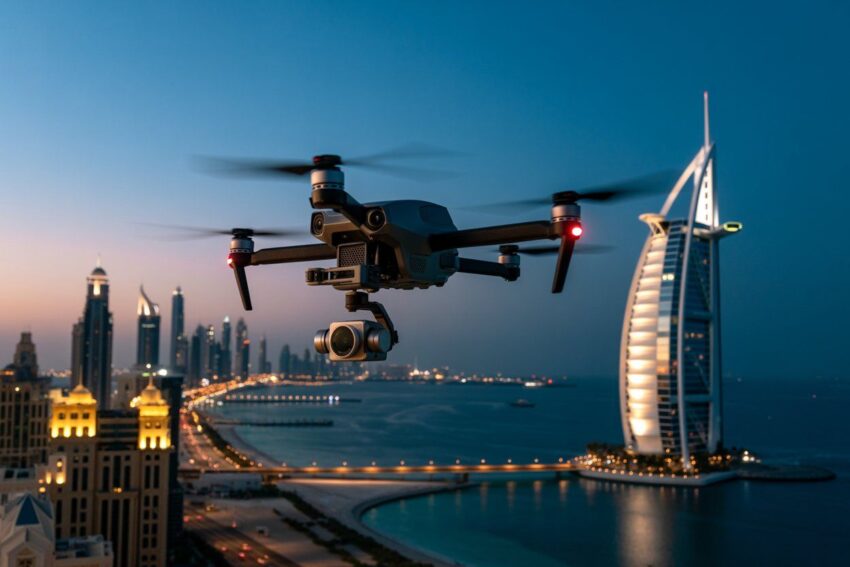
Dubai, renowned for its architectural marvels and hospitality, faced direct assaults on its most famous landmarks. Both the Fairmont Hotel on Palm Island and the iconic Burj Al Arab hotel were hit by drone strikes, with debris causing fires and injuries. The Burj Al Arab, one of the world’s most recognizable symbols of luxury, suffered minor damage to its external façade, leading to a swift response by Dubai’s Civil Defense teams. Meanwhile, Dubai International Airport (DXB) was partially closed, and the evacuation of passengers was initiated after one of its concourses sustained damage.
This wave of attacks marks a significant escalation in the region’s security threats, with Iran’s drones having previously targeted multiple Gulf nations, including Bahrain, Kuwait, and Qatar. The coordinated assault has raised alarms about the vulnerability of the region’s critical tourism infrastructure.
Bahrain, Kuwait, and Abu Dhabi Also Affected
The repercussions of these drone strikes were not limited to Dubai alone. In Abu Dhabi, debris from intercepted drones at Zayed International Airport tragically caused a fatality and several injuries. Meanwhile, in Kuwait, the General Directorate of Civil Aviation confirmed that a drone strike at Terminal 1 resulted in minor injuries to airport personnel and material damage to the terminal.
Bahrain International Airport, a vital regional air travel gateway, also faced drone strikes on the morning of March 1. The attack resulted in minor material damage, but Bahrain authorities swiftly activated emergency protocols, including evacuating the terminal to ensure passenger safety.
Escalating Tensions and Aviation Disruptions
The drone attacks have created an unprecedented crisis for the aviation industry in the Gulf. Major airports, including those in Dubai, Abu Dhabi, and Doha, have temporarily closed, resulting in the suspension of operations for multiple airlines, such as Emirates, Qatar Airways, Etihad Airways, and Oman Air. This has led to the cancellation of numerous flights, affecting tens of thousands of travelers in the region.
Saudi Arabia, while spared from drone strikes so far, has seen a substantial impact on its air traffic. Many flights to and from the Kingdom have been suspended as a precautionary measure. The broader Gulf Cooperation Council (GCC) countries, including Oman, have closed their airspaces temporarily, severely disrupting travel across the region.
A Region at the Heart of Global Air Traffic
The Gulf’s air travel network is one of the busiest and most interconnected in the world. Key hubs, such as Dubai International Airport, handle hundreds of thousands of passengers daily, with travelers transiting between Africa, Asia, Europe, and the Americas. The recent drone attacks have significantly disrupted this vital transportation link, causing delays, cancellations, and operational shutdowns that could last several days.
As the situation continues to evolve, airport authorities have urged travelers to avoid heading to airports without confirmation from their airlines. With the region functioning as a vital air travel corridor, these ongoing disruptions are expected to impact global travel flows, particularly for long-haul international flights.
The Broader Impact on Gulf Tourism
The timing of these drone strikes comes at a critical juncture for Gulf tourism. As a major destination for leisure and business travelers, Dubai, Abu Dhabi, and other regional cities play host to millions of international visitors each year. The recent attacks threaten to undermine this booming tourism industry, particularly during peak seasons when large numbers of international tourists flock to the region’s hotels, shopping malls, and leisure attractions.
Furthermore, the closure of major airports and the suspension of flights has added to the growing uncertainty surrounding travel in the region. Tourism authorities are now focused on restoring confidence and ensuring the safety of both visitors and residents in the wake of these disruptions.
The Path Forward for the Gulf’s Aviation and Tourism Sectors
The drone strikes in Dubai and other Gulf cities underscore the fragile nature of the region’s security situation and its potential to impact both tourism and aviation. The situation remains fluid, with ongoing efforts to mitigate the damage and restore normalcy to the region’s airports.
For travelers planning to visit the Gulf in the coming days, it is crucial to stay informed about the latest developments and to check with airlines for flight status updates. While the immediate outlook is uncertain, the Gulf’s resilience in the face of these challenges will be key to restoring the region’s tourism and aviation industries to full operation.
In conclusion, these drone attacks have significantly disrupted the Gulf’s vital tourism and aviation sectors, raising concerns over the stability of one of the world’s most important global travel hubs. As authorities work to address the situation, the region’s role in global air travel remains uncertain, and its tourism industry may face a prolonged recovery.
The post Iranian Drone Targets Dubai Hotels and Airports, Disrupt Gulf Tourism and Aviation: New Updates appeared first on Travel And Tour World.
Source: travelandtourworld.com



Sorry, the comment form is closed at this time.