

Ireland Joins Denmark, Germany, Portugal, Netherlands, France, Finland, And More European Countries In Facing Travel Hurdles As Airport Backlogs, Long Wait Times, And Frustrations Rise Amid US Freezes TSA Operations
Ireland Joins Denmark, Germany, Portugal, Netherlands, France, Finland, And More European Countries In Facing Travel Hurdles As Airport Backlogs, Long Wait Times, And Frustrations Rise Amid US Freezes TSA Operations
Ireland joins Denmark, Germany, Portugal, the Netherlands, France, Finland, and other European nations, is facing travel disruptions, including airport backlogs and long wait times, as the U.S. partial government shutdown has resulted in the freezing of TSA operations. The TSA’s inability to fully operate due to the lapse in funding has led to growing concerns about delays and operational inefficiencies at U.S. airports, affecting both domestic and international travelers. These disruptions are compounded by broader European airline delays and staffing shortages, causing widespread frustration among passengers.
The world is no stranger to the occasional disruption in air travel. From weather-related delays to technical glitches, the global travel system has always had to face its fair share of bumps in the road. However, in early 2026, the United States government’s decision to partially shut down the Department of Homeland Security (DHS) is bringing about an entirely new set of challenges for travelers, especially those flying from European countries. As the United States TSA (Transportation Security Administration) struggles to function with severely limited resources, travelers from all corners of Europe are finding themselves at the mercy of long delays, frustration, and an uncertain travel experience.
The Shutdown and Its Immediate Impacts on US TSA Operations
The partial shutdown that took effect in mid-February 2026 has directly affected critical agencies such as the TSA (responsible for security at US airports), ICE (Immigration and Customs Enforcement), and CBP (Customs and Border Protection). Although many parts of the US federal government remain operational, the cessation of funding for the Department of Homeland Security (DHS) has caused significant disruptions to the TSA’s ability to screen passengers and baggage at airports.
One of the most striking impacts is the growing absenteeism among TSA staff. While about 95% of TSA personnel are considered “essential” and are still required to report to work without pay, the strain of working without compensation is leading to lower morale, an uptick in sick calls, and even some staff members quitting. The situation is creating a domino effect, where even a few unscheduled absences can cause delays at airports, especially smaller regional airports with fewer security checkpoints.
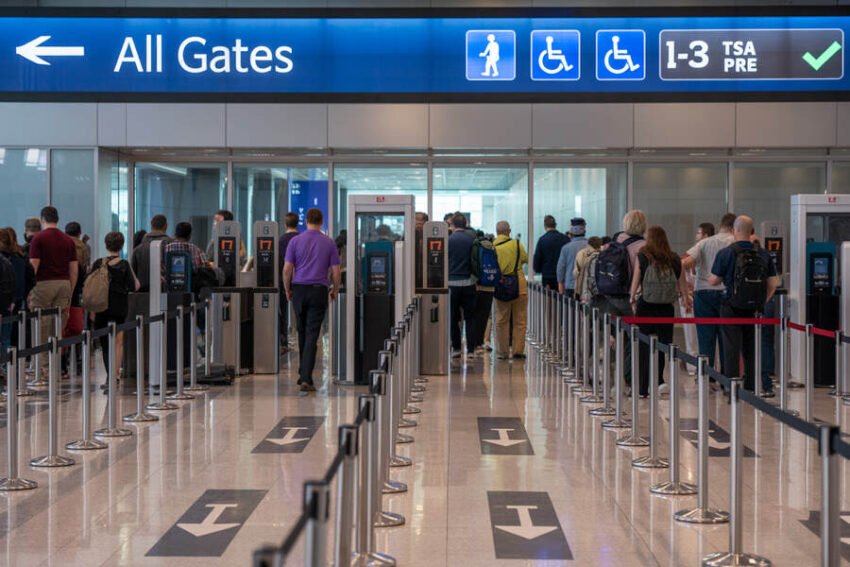
Although air traffic controllers and other personnel employed by the Federal Aviation Administration (FAA) are not affected, security lines at airports have become longer, and smaller airports with just one checkpoint are especially vulnerable. Travelers may experience long waits as TSA struggles to manage the increased demand, even with staff working around the clock.
Why is This Shutdown Different From the Last?
A few years ago, the United States faced a government shutdown that lasted for 43 days, wreaking havoc on travelers. However, this time, the situation seems to be different in scope. The key difference is that air traffic controllers remain unaffected, thanks to the fact that the FAA’s funding is separate from DHS. This means that major flight cancellations and air traffic disruptions are less likely. However, airlines may still choose to delay departures to allow passengers more time to clear security if lines become unmanageable.
The US government shutdown, though, has a ripple effect that could worsen over time. While there has been no immediate collapse of TSA security operations, disruptions tend to build up. The real risk of the shutdown is the long-term cumulative effect it will have on travelers as the situation stretches on.
The Global Impact on European Travelers
As the TSA shutdown continues to unfold, travelers from European nations are feeling the brunt of the disruptions. Many countries in Europe, heavily reliant on air travel to the United States, are witnessing increased travel delays, frustration, and an overall negative experience. What began as a minor inconvenience in larger airports is gradually snowballing into a full-scale travel nightmare. European nations, particularly those with higher volumes of travelers to the US, are seeing the effects directly.
Countries Facing the Worst Travel Disruptions
Countries like Ireland, Germany, Portugal, Netherlands, France, Finland, and others are dealing with growing airport backlogs, long wait times, and heightened frustration among travelers. The longer the shutdown persists, the more noticeable these issues become for passengers trying to board flights to or through the United States.
Countries Most Affected:
Ireland
Denmark
Germany
Portugal
Netherlands
France
Finland
United Kingdom
Belgium
Sweden
Italy
These countries, each sending significant numbers of passengers to the United States, are seeing the negative effects of the TSA shutdown. Whether it’s business travelers, vacationers, or students flying abroad, security line bottlenecks have caused severe delays and frustration.
How These Countries are Affected:
Ireland: As a country with a strong air travel route to the U.S., Ireland is particularly impacted by these delays. Irish travelers are already experiencing increased wait times, with travelers fearing missed flights due to security holdups.
Germany: Known for a large number of flights to the U.S., Germany is feeling the pinch as their airports have been forced to accommodate more passengers, with security lines reaching unprecedented lengths.
Portugal: Portugal’s travel routes to major U.S. cities are being heavily affected by TSA slowdowns. Many flights are delayed, and the pressure on TSA personnel is beginning to show, especially during peak travel periods.
Netherlands: Travelers from the Netherlands, particularly those flying to New York, Los Angeles, and other major hubs, are facing frustration with the increasing delays. Some flights from Dutch airports have seen delayed takeoffs as passengers are still waiting to clear security.
France: France, another hub for U.S.-bound travelers, is witnessing extended wait times at Paris airports, where travelers from across Europe typically transfer to flights bound for the United States.
Finland: Finnish travelers, accustomed to efficient airport experiences, are now having to navigate extended queues, with small airport checkpoints especially vulnerable to the strain caused by the shutdown.
Why European Travelers Are Feeling the Impact So Much
The shutdown at TSA doesn’t just affect travelers flying from the United States. With thousands of passengers traveling from Europe to the U.S. daily, the shutdown has created a backlog of security checks. Even though most European countries still have fully staffed airports and border control systems, the strain on U.S. airports is causing a ripple effect.
Airlines and Industry Strain:
Airlines are facing delays as they are forced to work with U.S. customs to ensure that all passengers clear security in time. Airlines have started to delay flight schedules and issue travel warnings to passengers, advising them to arrive earlier at the airport due to the potential for longer security checks.
European tourism businesses and hospitality industries are also beginning to feel the effects of frustrated travelers. With flights delayed or canceled due to TSA’s failure to function effectively, hotels, restaurants, and tour operators are seeing a decrease in customer satisfaction.
Rising Stress Among Travelers:
Frustration and stress are on the rise as passengers are forced to deal with delays, missed connections, and increasing uncertainty regarding travel times. A situation that could have been avoided by funding TSA is now placing undue pressure on travelers from all over the world, especially Europe.
Practical Advice for European Travelers
For travelers flying from Europe to the U.S., the key is preparation. The best way to mitigate the risks of long wait times and other disruptions is to arrive well ahead of your flight time. Airlines recommend arriving at least 2 hours before domestic flights and 3 hours before international flights, particularly if flying from smaller airports that are more vulnerable to TSA staffing issues.
What to Expect Going Forward
As the U.S. shutdown continues, travelers from European nations should prepare for longer lines at security checkpoints and potentially delayed flights. The impact on European countries will grow if the shutdown continues, especially as staff absenteeism increases and pressure on TSA staff escalates. For now, travelers can stay informed through airline apps, TSA wait-time tracking, and airport-specific advisories.
The shutdown of the U.S. Department of Homeland Security is a reminder of how interconnected global travel systems are. While many European countries are still operational, the effects of TSA’s partial freeze are evident, creating a ripple effect that reaches airports across Europe. Frustration is mounting among travelers, and the longer the shutdown continues, the worse the situation is likely to get.
Ireland joins other European countries, is facing travel disruptions due to the U.S. partial government shutdown, which has frozen TSA operations, leading to airport backlogs and extended wait times. This has exacerbated existing delays in European air travel.
European countries with heavy travel routes to the U.S. are in a particularly precarious position as airport delays and long wait times continue to frustrate passengers. For the best experience, travelers from Europe to the U.S. should stay alert and be prepared for possible disruptions. One thing is certain: this shutdown is a powerful reminder of how deeply our global travel systems are tied together, with no one left unaffected in the long run.
The post Ireland Joins Denmark, Germany, Portugal, Netherlands, France, Finland, And More European Countries In Facing Travel Hurdles As Airport Backlogs, Long Wait Times, And Frustrations Rise Amid US Freezes TSA Operations appeared first on Travel And Tour World.
Source: travelandtourworld.com

Sorry, the comment form is closed at this time.