


Israel, Iran, Lebanon: Australia Issues Urgent Travel Warnings as Middle East Tensions Escalate
Israel, Iran, Lebanon: Australia Issues Urgent Travel Warnings as Middle East Tensions Escalate
Australia’s Department of Foreign Affairs and Trade (DFAT) has issued an urgent warning to Australians traveling in the Middle East following the recent escalation between Israel and Iran. The government advises all Australians in the region to remain alert due to the heightened risk of “reprisal attacks” and further military action. The attack on Iran by Israel and the US has led to rising tensions, causing a direct impact on regional security and air travel, with potential flight cancellations and disruptions across major transit hubs.
The DFAT Smartraveller website, which provides updated travel advice to Australians, confirms that airstrikes have targeted locations in Iran, including its capital, Tehran. The department emphasized the volatile security situation, advising travelers to avoid non-essential travel to Iran and recommending that Australians leave if it’s safe to do so. This warning has been extended to Israel and Lebanon, where the risk of military conflict remains high.
Escalating Tensions: Impact on Air Travel and Flight Cancellations
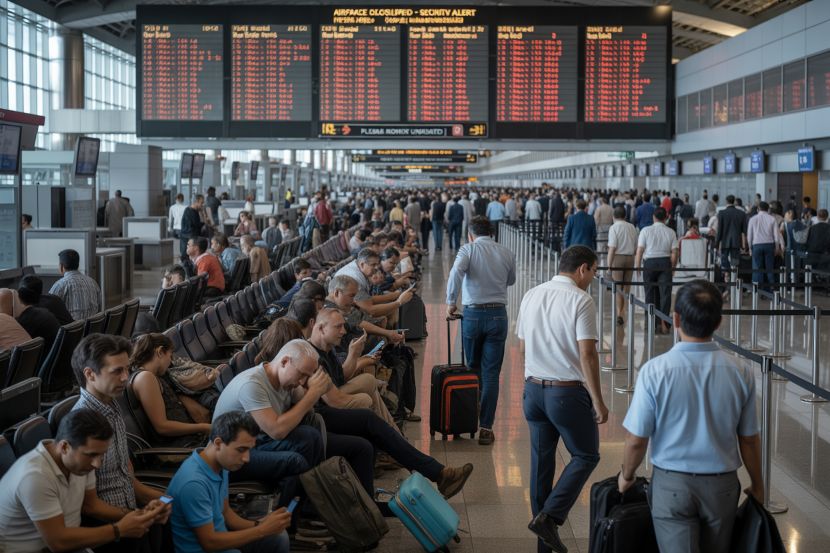
The situation in the Middle East is being closely monitored by international aviation bodies, with DFAT noting that airspace closures could significantly disrupt flight schedules. These disruptions are not limited to flights within the Middle East, as major hubs in Israel, Lebanon, and Iran may also impact global travel. The closure of airspace over Israel has already been reported, and such events can lead to widespread delays and cancellations across several regions, affecting business travelers and tourists alike.
The Australian government has also announced that it will be withdrawing non-essential personnel from Israel and Lebanon, as well as providing voluntary evacuation assistance to those in Jordan, Qatar, and the UAE. With Israel’s airspace closed and many flights affected, the ability to travel in and out of the region is severely limited.
What It Means for Business and Leisure Travelers
For business travelers operating in or around the Middle East, the current situation presents significant challenges. The risk of flight cancellations and the closure of airspace will disrupt corporate travel plans, making it difficult for professionals to attend meetings, conferences, and negotiations. The disruption of airlines and the potential for commercial flight options to be limited may leave many stranded.
For tourists, especially those planning vacations to Israel, Lebanon, or Iran, the warnings signal that now is not the best time to travel to the region. Many holidaymakers will need to rethink their travel plans and consider alternative destinations in Europe or the Middle East. The increased risk of political unrest and the possibility of military conflict could lead to longer delays at airports, as well as challenges in booking alternative travel routes.
DFAT’s Recommendations for Australians in the Middle East
The Australian government has urged its citizens in the Middle East to remain vigilant and to take immediate action if they are in danger. Specific recommendations include:
Leave the Area if Possible: Australians in Israel, Lebanon, and Iran are advised to depart the region immediately if it is safe to do so, as the situation could escalate further.
Stay in Shelters: In Israel, citizens are urged to seek shelter in underground facilities or, at a minimum, in buildings at ground level.
Monitor Local Media: Travelers should stay informed by following local news and DFAT updates for information on airspace closures and security developments.
Stock Up on Essentials: Australians remaining in Iran should ensure they have adequate supplies, including food, water, and medications, as they may be required to shelter in place for extended periods.
For those who have already booked flights, it is essential to check for updates on airlines and travel schedules. Travelers should consider rebooking flights or exploring land routes where feasible, although many borders in the region may also be affected by security restrictions.
Impact on Travelers and How to Navigate Disruptions
Travelers should anticipate potential disruptions to their travel plans as airspace closures and flight cancellations continue to unfold. In light of these circumstances, here are a few important tips:
Check Your Flight Status: Keep an eye on your airline’s website, app, or contact center for updates on delays, cancellations, and alternative routes. This is particularly important if you are traveling on connecting flights that may be disrupted due to the closure of airspace in the Middle East.
Plan for Delays: Prepare for the possibility of long wait times at airports. Airlines may be rerouting flights, and check-in lines may become longer as travelers adjust to sudden changes.
Alternative Routes: If possible, consider changing your itinerary to fly from nearby countries or to nearby regions that are not affected by the security situation. Be mindful of booking with airlines that offer flexible rebooking policies.
Travel Insurance: Ensure you have comprehensive travel insurance to cover any unforeseen cancellations, delays, or emergency evacuations.
Stay Informed: Monitor DFAT’s Smartraveller website and local news sources for real-time updates. In case of extreme conditions, evacuation plans may change quickly, and it is essential to stay alert.
Conclusion
The heightened tensions between Israel and Iran have raised concerns for travelers in the Middle East, with flight disruptions, airspace closures, and security risks becoming a major issue. For Australians in the region, it’s crucial to stay informed, monitor official government updates, and take precautions to ensure their safety. Business and leisure travelers alike should be prepared for potential delays and cancellations, particularly on flights connecting through Israel, Lebanon, and Iran. By following the advice from DFAT and local authorities, travelers can navigate these challenges and adjust their plans accordingly.
Key Points:
Australia has issued warnings for Australians in the Middle East, highlighting reprisal attacks and the risk of further escalation.
Flights may be impacted by airspace closures and flight cancellations, especially in Israel and Iran.
Australians are advised to leave affected areas as soon as possible and shelter in place if unable to depart.
Business travelers and tourists should check flight status regularly and consider rebooking their travel.
Travel insurance and emergency preparedness are essential for those caught in disrupted conditions.
The post Israel, Iran, Lebanon: Australia Issues Urgent Travel Warnings as Middle East Tensions Escalate appeared first on Travel And Tour World.
Source: travelandtourworld.com



Sorry, the comment form is closed at this time.