


Israel Joins Syria, Qatar, Iran, Iraq, Kuwait, and Bahrain in Shutting Down Airspace, Halting Flights, and Stranding Thousands of UK Tourists as Tensions Escalate Across the Middle East
Israel Joins Syria, Qatar, Iran, Iraq, Kuwait, and Bahrain in Shutting Down Airspace, Halting Flights, and Stranding Thousands of UK Tourists as Tensions Escalate Across the Middle East
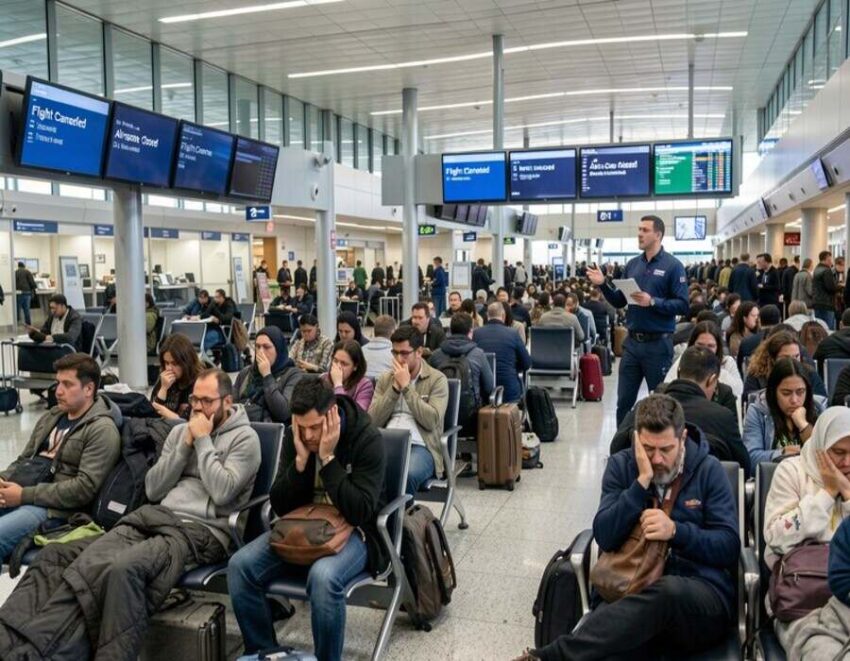
Israel has shut its airspace alongside Syria, Qatar, Iran, Iraq, Kuwait, and Bahrain after the widening US‑Israel military strikes on Iran triggered retaliatory actions and major security concerns across the Gulf region. This coordinated closure left skies over key transit hubs like Dubai, Abu Dhabi, Doha, and Tel Aviv essentially empty, forcing airlines to ground flights, reroute routes, and cancel hundreds of services as safety risks soared. The sweeping shutdown has resulted in hundreds of thousands of travelers being stranded, with more than 100,000 British nationals among those affected and governments working on evacuation plans amid the mounting crisis.
The escalating geopolitical tensions in the Middle East have led to widespread disruptions in international air travel. In response to the US-Israel attacks on Iran, several countries have closed their airspace, leaving passengers stranded across various international hubs. The unfolding situation, marked by airspace closures and grounded flights, has created massive turmoil for travelers and airlines alike. This article explores the key developments and their impact on global air travel.
Countries Imposing Airspace Closures
The ripple effects of the US-Israel attacks on Iran have been felt across the Middle East, as many countries have swiftly grounded flights and imposed airspace closures to safeguard national security. The countries affected by this airspace shutdown include:
Israel
Syria
Qatar
Iran
Iraq
Kuwait
Bahrain
Additionally, the United Arab Emirates (UAE) has imposed a no-fly zone, disrupting air traffic from its busy hubs like Dubai and Abu Dhabi.
Airline Responses and Suspended Flights
As tensions in the region escalated, major airlines have had to adapt quickly by halting flights to and from the Middle East, contributing to widespread travel delays. The following airlines have suspended their services:
Emirates: The UAE-based airline has suspended all flights to and from Dubai, including services from Birmingham, in response to the airspace closure. Passengers flying on Emirates have been left stranded, with limited alternatives available.
Etihad Airways: Following the instability in the region, Etihad Airways, based in Abu Dhabi, has also grounded its flights. The airline’s suspension of services has disrupted travel plans for many, especially those bound for destinations in Europe and the US.
Qatar Airways: Qatar Airways, one of the major Gulf carriers, has grounded its entire fleet, suspending all its services across multiple international routes. The carrier’s suspension of flights has compounded the disruption, especially as flights were already limited due to the ongoing tensions.
These suspensions have left hundreds of thousands of passengers stranded across various international airports, with no immediate resolution in sight.
Impact on Holidaymakers and Tourists
For holidaymakers planning trips to or from the Middle East, the situation has been a major source of frustration. Passengers hoping to visit destinations such as Dubai, Abu Dhabi, or Doha have had their travel plans upended. The situation is compounded by limited flight availability and the uncertainty surrounding flight resumption.
Passengers aboard the first flights from Abu Dhabi since the weekend have shared their personal experiences, detailing the chaos unfolding at airports and the growing sense of unease as the conflict between Iran and its Gulf neighbors intensifies.
Some holidaymakers expressed frustration at the lack of clear communication from airlines, while others shared their concerns about their safety while traveling through or near the conflict zones. Travelers en route to or from the region have been caught up in the chaos, with many forced to alter their travel plans or await indefinite reschedules.
The UK Foreign Office’s Travel Advisory
In light of the escalating situation, the UK Foreign Office has issued critical travel advisories for UK nationals in the affected countries. Nationals in Bahrain, Israel, Kuwait, Palestine, Qatar, and the UAE have been urged to register their presence with the Foreign Office for safety updates and guidance on the evolving situation.
This move aims to ensure the safety and well-being of citizens caught in the region, allowing authorities to offer real-time updates and evacuation support if necessary. UK nationals have been advised to remain vigilant, avoid non-essential travel, and follow the directives of local authorities.
Passenger Safety and Airline Communication
As the geopolitical unrest continues, ensuring passenger safety has become a top priority for airlines and government bodies alike. Airlines like Emirates, Etihad, and Qatar Airways are working closely with government agencies to monitor the situation and provide assistance to passengers stranded in various countries.
However, communication challenges have arisen, with travelers expressing frustration over the lack of timely information regarding flight reschedules and alternative routes. As airspace closures remain in place, travelers are left in limbo, with some even facing the prospect of waiting for indefinite periods before they can continue their journeys.
The Global Impact on Air Travel
The disruption caused by airspace closures and grounded flights in the Middle East has far-reaching consequences on global air travel. Major international routes have been impacted, particularly those connecting Europe, Asia, and the Middle East. Passengers traveling from London to Dubai, New York to Abu Dhabi, and other key routes have experienced severe delays.
As the Middle East remains a critical hub for connecting flights between East and West, the ongoing situation is expected to ripple through other regions, affecting flight prices, availability, and travel plans. This disruption is compounded by the fact that many flights, especially those operated by Gulf carriers, serve key international business and leisure markets, adding pressure on airlines to find alternative solutions.
The Road Ahead: Limited Resumption of Flights
While the situation remains volatile, there have been reports that select airlines are gradually resuming services to and from the Middle East. However, the process is slow, and the situation remains highly fluid. Passengers are advised to monitor their airline’s announcements closely and seek real-time updates from airports and government sources.
At present, the priority for airlines is ensuring passenger safety while also restoring services to critical hubs. As tensions in the Middle East continue to escalate, the aviation industry faces ongoing challenges in maintaining flight schedules and providing support for stranded passengers.
As tensions escalate across the Middle East, Israel has joined Syria, Qatar, Iran, Iraq, Kuwait, and Bahrain in shutting down airspace, halting flights, and leaving thousands of UK tourists stranded. The coordinated shutdown has disrupted travel, forcing airlines to cancel services and causing chaos for travelers worldwide.
The ongoing turmoil in the Middle East has triggered widespread airspace closures, grounding flights, and leaving hundreds of thousands of passengers stranded. As countries like Israel, Syria, Iran, Qatar, UAE, and others shut their airspace in response to regional instability, the aviation industry is grappling with significant disruptions. Travelers are urged to stay informed, register their presence with authorities, and remain flexible as the situation unfolds. With airlines cautiously resuming services and the conflict ongoing, the road ahead for global air travel remains uncertain.
The post Israel Joins Syria, Qatar, Iran, Iraq, Kuwait, and Bahrain in Shutting Down Airspace, Halting Flights, and Stranding Thousands of UK Tourists as Tensions Escalate Across the Middle East appeared first on Travel And Tour World.
Source: travelandtourworld.com



Sorry, the comment form is closed at this time.