


Italy Joins France, Spain, Croatia, Portugal, And Greece in Battle Against Unruly Tourists, Introducing Draconian Fines and Strict Dress Codes to Safeguard Iconic Destinations
Italy Joins France, Spain, Croatia, Portugal, And Greece in Battle Against Unruly Tourists, Introducing Draconian Fines and Strict Dress Codes to Safeguard Iconic Destinations
In response to the growing problem of overtourism, Italy has joined France, Spain, Croatia, Portugal, and Greece in implementing stricter measures to protect their cultural heritage and manage the overwhelming influx of visitors. These countries are now imposing severe penalties for disruptive behaviors such as loudness, disorderly conduct, and inappropriate attire in iconic tourist spots. The reason behind these measures is to safeguard local communities, reduce the strain on historical sites, and maintain a respectful and sustainable tourism environment, ensuring that these treasures are preserved for future generations.
In recent years, several popular tourist destinations have started fighting back against overtourism by implementing various fines and taxes. These measures aim to manage the influx of visitors and reduce their negative impacts, such as rising local housing costs, safety concerns, and unruly behavior. With the rise of Instagram-driven tourism, destinations around the world are now enforcing penalties to curb excessive travel and protect local economies and environments.
Italy, one of the countries most affected by overtourism, has introduced a range of tourist taxes across cities such as Rome, Venice, Florence, Milan, and Naples. These cities now charge overnight visitors a tourist tax, which is paid directly to hotels. The amount varies based on the type of accommodation, time of year, and location. Rome, for example, has raised fees for visitors around its historical monuments. Sitting, lounging, eating, or even dragging a suitcase near iconic locations like the Spanish Steps could result in fines of up to $448. In Venice, tourists have been charged an overnight tax of up to €5 ($5.79) since 2011, and in 2024, the city added an access fee for day visitors aged 14 or older to reduce congestion in the historic city center.
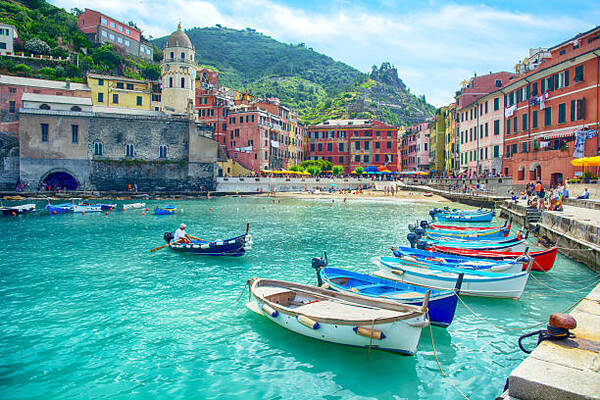
Venice has also introduced fines for more unusual infractions, such as swimming in the historic canals. Tourists who take a dip could face a €450 ($520) fine and be expelled from the city for 48 hours. Florence imposes a city tax ranging from $4 to $9.30 per person per night, depending on the accommodation, for stays of up to 10 nights. In Portofino, tourists who linger with suitcases, picnic equipment, or portable speakers in public spaces can face fines ranging from €25 to €500 ($29 to $590), depending on the violation.
Some Italian cities have also banned tourists from walking barefoot through town, sitting on piazzas in swimwear, or stopping at popular viewpoints in “no-waiting zones.” In these zones, tourists can face a €275 ($318) fine for obstructing passage. In response to overcrowding, fines are now being imposed for those not adhering to dress codes. In locations such as Cannes (France), Venice (Italy), Barcelona (Spain), Split (Croatia), Sorrento (Italy), and Albufeira (Portugal), tourists who wear swimsuits outside beach areas can be fined up to €1,500 ($1,738) for failing to cover up.
In addition to fines related to inappropriate attire, some countries have introduced penalties for unsafe driving habits, particularly for tourists who rent cars. In countries like France, Greece, Portugal, and Spain, wearing flip-flops while driving can result in a fine of up to €200 ($230). Though not illegal, traffic police can fine drivers if they deem flip-flops to be unsafe footwear.
Overtourism has also led to crackdowns on disruptive behaviors in party destinations. On the Balearic Islands in Spain, including Ibiza and Mallorca, fines have been introduced to curb “excessive tourism.” Tourists who drink alcohol in public spaces face fines of up to €3,000 ($3,475), with fines ranging from €750 to €1,500 ($869 to $1,738) for behaviors that disrupt public order or disturb the peace. Similarly, Dubrovnik in Croatia has introduced fines of up to €4,000 ($4,630) for public intoxication. Local officials explained that these measures were necessary to protect the safety and quality of life for residents.
In Barcelona, efforts to tackle late-night disturbances have led to fines for tourists who violate the city’s quiet hours, which are set from 11 p.m. to 7 a.m. The goal is to reduce loud, drunken behavior in residential areas. Other cities, including Amsterdam and Prague, have similar regulations, such as bans on noise from loudspeakers, bar crawls, and beer bikes.
The growing trend of overtourism has led to concerns about the sustainability of certain destinations. To raise awareness, Fodor’s Travel released its 2026 “No List” of destinations where tourism is putting unsustainable pressure on the environment and local communities. The list included places like Antarctica, the Canary Islands (Spain), Glacier National Park (Montana), Isola Sacra (Italy), the Jungfrau Region (Switzerland), Mexico City (Mexico), Mombasa (Kenya), and Montmartre (Paris). While not a call for a boycott, the No List serves as a reminder to travelers to consider the impact of their visits and encourage breaks for overburdened destinations.
As these tourist destinations implement stricter regulations, it’s clear that they are taking action to protect both their economies and their cultural heritage. However, tourists will need to be more mindful of their behavior in these popular locations and recognize that sustainable travel is becoming a growing priority worldwide.
The post Italy Joins France, Spain, Croatia, Portugal, And Greece in Battle Against Unruly Tourists, Introducing Draconian Fines and Strict Dress Codes to Safeguard Iconic Destinations appeared first on Travel And Tour World.
Source: travelandtourworld.com



Sorry, the comment form is closed at this time.