


Italy’s Rail Network Sabotaged and Strikes Cause Major Disruptions During 2026 Winter Olympics: Here’s What You Need to Know
Italy’s Rail Network Sabotaged and Strikes Cause Major Disruptions During 2026 Winter Olympics: Here’s What You Need to Know
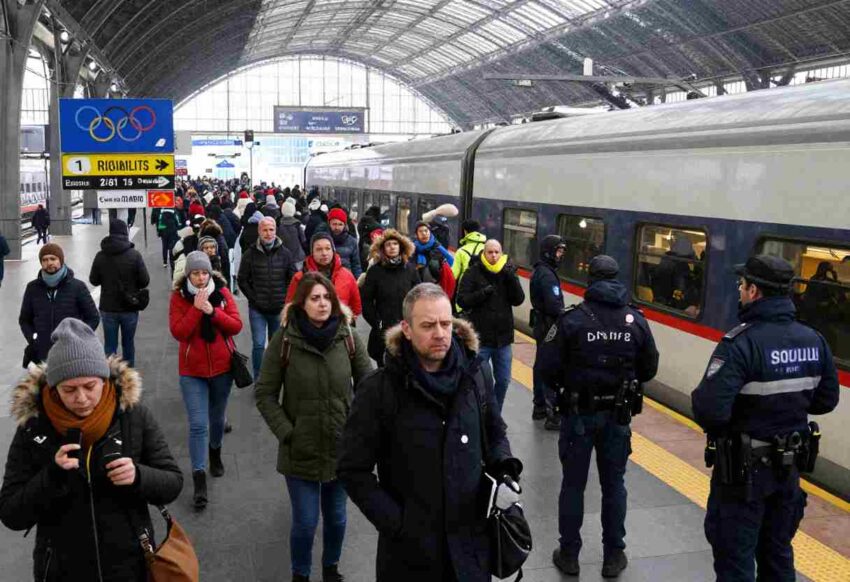
As the 2026 Milan-Cortina Winter Olympics kicked off, Italy’s transportation system faced unprecedented disruptions, raising concerns about potential sabotage and the inherent challenges posed by the Games’ geographically spread-out venues. These disruptions particularly affected rail services between Milan and Venice, while Bologna, a crucial railway hub, became a focal point for the chaos. With thousands of athletes, tourists, and officials traveling to various Olympic venues, the transport issues underscored the complexities of managing such a large-scale international event, especially during a period of heightened security and logistical challenges.
Sabotage Concerns and the Impact on Rail Travel
The first day of the Winter Olympics saw widespread travel chaos, primarily centered around Bologna, which plays a pivotal role in Italy’s railway system. Several sabotage incidents, including a fire at a track switch on the Bologna-Venice rail line and damage to other key parts of the rail infrastructure, caused significant delays across the network. Italy’s Transport Minister Matteo Salvini quickly acknowledged the serious nature of these disruptions, which were attributed to deliberate acts of interference, not technical failure.
As these incidents coincided with the start of the Winter Olympics, questions arose regarding whether they were a coordinated effort to disrupt transportation for international spectators. While the Ferrovie dello Stato (FS), Italy’s state-owned rail operator, confirmed that these disruptions were not caused by technical faults, the incidents caused significant delays, particularly affecting high-speed and regional rail services. Travelers were delayed by up to two and a half hours, impacting their ability to reach Olympic venues and causing a ripple effect across Italy’s rail network.
Mobility Challenges from Geographically Spread-Out Venues
One of the most significant challenges during the 2026 Winter Olympics has been the geographic spread of the venues. Unlike Beijing 2022, which featured a dedicated high-speed Olympic train, the Milan-Cortina Games are hosted across multiple locations, stretching from Milan to Cortina d’Ampezzo and other venues in the Dolomites and Alps. This spread creates mobility difficulties for spectators and athletes who must navigate complex transport connections involving regional trains, buses, and road transfers.
For spectators and athletes traveling between venues, the absence of a dedicated high-speed train linking Milan to the Alpine locations has significantly complicated the travel logistics. While the organisers have worked to address these challenges with increased regional train services and shuttle services between key Olympic sites, the dispersed nature of the venues remains a hurdle for smooth travel during the Games. These difficulties have highlighted the inherent complexities of managing transportation during a global sporting event of this scale, particularly when venues are located across a large, mountainous region.
Increased Passenger Traffic at Airports and Long-Distance Travel
In addition to the challenges in rail travel, Italy’s airports, particularly Venice Marco Polo and Treviso, have experienced a surge in passenger volumes due to the Winter Olympics. Many visitors arriving by air are then required to transfer to rail or bus services to reach the Olympic venues in Cortina d’Ampezzo or Milan. This increased air travel demand, combined with the winter holiday season, has further strained Italy’s already busy airports and transport networks.
Passenger traffic during this period has not only been driven by the Olympics but also by the winter tourism season, which has added extra pressure on transport infrastructure. The region surrounding Venice has seen a rise in tourism demand from both Olympic spectators and regular tourists, making it even more challenging to manage logistics at key transport hubs. This surge in air and rail traffic has added to the complexity of travel in and around the host cities.
Road Traffic Congestion and Special Traffic Regulations
With tens of thousands of visitors arriving daily, road traffic congestion in Olympic host regions, especially Cortina d’Ampezzo, has been a notable issue. To mitigate this, limited traffic zones and special traffic regulations have been imposed in key areas, restricting the movement of non-Olympic vehicles. These regulations, while essential for managing the flow of traffic, have had unintended consequences for both Olympic attendees and local residents.
The increase in vehicles — including cars, buses, and other transport modes — in and around Olympic venues has contributed to slower-than-usual travel times on both highways and regional roads. Despite efforts to manage congestion and maintain a steady flow of traffic, the challenges posed by the high volume of visitors are expected to persist throughout the Games. Visitors and locals alike have had to adjust their travel plans to account for the increased strain on the transport network, particularly during peak event times.
Strikes and Protest-Related Transportation Disruptions
Beyond sabotage and congestion, another issue impacting Italy’s transportation system has been rail worker strikes that coincided with the start of the Winter Olympics. These strikes disrupted train services across northern Italy, forcing passengers to rely on alternative transport options during the Games. The timing of the strikes, combined with other ongoing transportation issues, compounded the existing challenges faced by visitors and athletes trying to travel between Olympic venues.
The strikes, though unrelated to the sabotage incidents, further highlighted the difficulties Italy’s rail network faced in ensuring smooth transport during the Olympics. These labor disputes added an additional layer of complexity to an already strained system, causing frustration among travelers and highlighting the challenges of organizing transportation for such a large-scale event.
Heightened Security Measures Affecting Travel Flow
As part of the comprehensive security protocols for the 2026 Winter Olympics, Italy has implemented heightened security measures across major transport hubs and venues. These measures include increased screening and more thorough checks at airports, train stations, and Olympic venue entrances. While these security efforts are critical for ensuring the safety of athletes, spectators, and officials, they have also contributed to longer wait times and delays for those traveling to and from the Olympic venues.
Though necessary to safeguard the event, these security measures have added another layer of complexity to the already challenging travel situation. Visitors have been advised to allow extra time for security checks to ensure they arrive at their destinations without further delay.
Weather-Related Transport Challenges
In addition to logistical and security challenges, heavy snowfall in the northern regions during early February 2026 created further disruptions in transportation. While the snow is beneficial for skiing events and other winter sports, it has also presented complications for local transport services, particularly in the Cortina d’Ampezzo area. Reports indicated that snow accumulation and delayed infrastructure work slowed the completion of necessary transport upgrades, further complicating the delivery of reliable travel services for the Winter Games.
This weather-related impact underscores the challenges that come with hosting an event in the Alpine region, where winter conditions can significantly affect transportation systems, even when they are expected and part of the venue environment.
Conclusion: Ensuring the Success of the Winter Olympics Amidst Transport Challenges
The 2026 Milan-Cortina Winter Olympics have faced significant transportation challenges, including sabotage, increased passenger demand, road congestion, and security disruptions. However, the Italian government has taken swift action to address these issues. Enhanced transport services, public transit upgrades, and improved security measures are all part of Italy’s strategy to ensure that the Olympics run smoothly despite these challenges.
Although transportation disruptions have been unavoidable, Italy is committed to providing a safe and efficient travel environment for the millions of visitors expected during the Games. As the Winter Olympics continue, Italy’s authorities remain focused on minimizing the impact of these disruptions and ensuring that the Games remain a memorable and positive experience for everyone involved.
The post Italy’s Rail Network Sabotaged and Strikes Cause Major Disruptions During 2026 Winter Olympics: Here’s What You Need to Know appeared first on Travel And Tour World.
Source: travelandtourworld.com


Sorry, the comment form is closed at this time.