


Jakarta, Tanjung Puting, Raja Ampat, Kerinci Valley, And Ubud Offer Life-Changing Travel Adventures And Rare Wildlife Encounters You can Only Find In Indonesia
Jakarta, Tanjung Puting, Raja Ampat, Kerinci Valley, And Ubud Offer Life-Changing Travel Adventures And Rare Wildlife Encounters You can Only Find In Indonesia
The international travel landscape is currently experiencing a profound metamorphosis as explorers pivot toward destinations that offer deep ecological diversity and genuine cultural engagement. When global voyagers search for the best places to visit in Indonesia, the sheer scale of this equatorial giant can appear intimidating. Therefore, this narrative provides a clear path through the most remarkable spots for any sophisticated itinerary. Navigating the best places to visit in Indonesia requires a nuanced understanding of both metropolitan refinement and raw, primitive landscapes. Fortunately, the country provides an incredible abundance of both settings. By transitioning from the high-velocity streets of the primary city to the tranquil seclusion of far-flung islands, visitors foster a deep admiration for Southeast Asian heritage. Industry forecasts suggest these specific locations will define the global market by the year 2026. Indeed, the best places to visit in Indonesia represent much more than standard vacations; they are profound interactions with our planet’s most vital environments and living traditions. Every modern explorer should prioritize these specific sites to witness the absolute zenith of local hospitality and natural wonder.
The tourism sector anticipates that by January 2026, the global travel community will see a significant demographic shift as more travelers prioritize meaningful impact over mere sightseeing. The following analysis explores how six specific regions are reshaping the world’s approach to travel, emphasizing sustainability, wellness, and conservation.
Urban Culture in Jakarta, Java
It has been widely observed that Jakarta functions as the indispensable culinary and cultural heartbeat of the entire nation. As a bustling capital, it serves as the primary gateway for international arrivals, offering a sophisticated introduction to the complexities of Java. The city is home to the most prestigious educational and historical institutions, most notably the Museum Nasional, which houses treasures from across the thousands of islands.
The city presents a captivating aesthetic paradox. In the neighborhood of Kota Tua, visitors find a preserved concentration of historic Dutch-style architecture, evoking the colonial era’s maritime history. In stark contrast, the skyline is dominated by modern skyscrapers that reflect the nation’s rapid economic ascent. This architectural duality serves as a major magnet for professional travelers. It was recently noted that an increasing number of corporate visitors are choosing to extend their business stays to immerse themselves more deeply in the local lifestyle, blending work with high-end cultural exploration.
The Great Apes of Tanjung Puting National Park, Borneo
On the vast, jungle-clad island of Borneo, Tanjung Puting National Park has been identified as one of the world’s final sanctuaries where orangutans continue to exist in their natural habitat. The industry has shifted toward a very specific, slow-travel model in this region. The most sought-after experience involves chartering traditional liveaboard boats to drift along the winding Sekonyer River. This method of travel is celebrated for its low impact and high engagement.
This immersive journey offers several critical highlights for the global tourism sector:
Intimate and ethical observations at Camp Leakey, a world-renowned rehabilitation and research facility.
Direct financial support for a local economy that is increasingly built upon specialized river-based tourism.
This destination is a primary example of the burgeoning “philanthropy travel” trend. Travelers are no longer content with being passive observers; instead, they want to take an active, contributory role in ensuring the survival of endangered species. This shift is forcing the travel industry to prioritize conservation-led business models over mass-market ventures.
Aquatic Wonders of Raja Ampat, West Papua
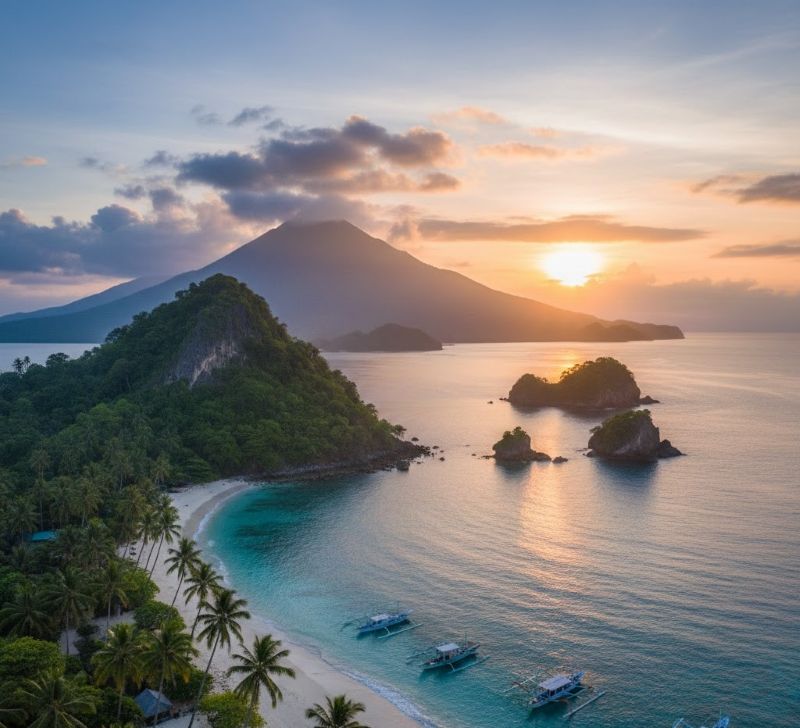
Toward the eastern frontier of the nation, Raja Ampat is heralded as a vital cornerstone of the Coral Triangle. It has gained immense international prestige for its incredible marine biodiversity, which is considered by many scientists to be the richest on the planet. The region is visually defined by its turquoise lagoons and hundreds of small, mushroom-shaped islands covered in dense rainforests.
Terrestrial life here is just as spectacular as the underwater world, with the presence of the legendary and elusive birds-of-paradise adding a sense of biological magic to the scenery. For the international market, Raja Ampat has officially become the gold standard for high-end, environmentally responsible marine exploration. It represents a move toward “ultra-niche” tourism, where the protection of the ecosystem is the primary product being sold to the world.
Adventurous Pursuits in Kerinci Valley, Sumatra
In the rugged highlands of Sumatra, the Kerinci Valley has emerged as a top-tier destination for the global hiking community. The landscape is dominated by the majestic Gunung Kerinci, which is famously the tallest volcano in Southeast Asia. This region attracts a specific type of traveler—those seeking challenging treks away from the crowded trails of more developed nations.
The valley is also prized for its hidden, powerful waterfalls and the immense wilderness of Kerinci Seblat National Park. This park is one of the last places on Earth where a persistent traveler might hope to encounter the critically endangered Sumatran tiger. The rise in eco-conscious adventure travel in this area is proving to be a vital lifeline for the region. It is directly fueling conservation efforts and providing locals with economic alternatives to deforestation, thereby changing the trajectory of Sumatran land management.
Wildlife Marvels in Komodo National Park, Nusa Tenggara
Located in the central province of Nusa Tenggara, Komodo National Park remains the essential guardian of the world’s largest lizards, the legendary Komodo dragons. The park’s reach extends across the primary islands of Komodo, Padar, and Rinca. These islands are characterized by dramatic arid landscapes—savannah-like hills that turn golden in the dry season, creating a prehistoric atmosphere unlike anywhere else in the tropics.
Beyond the fascination with the dragons, the park is a significant magnet for world-class diving enthusiasts. The confluence of currents brings a wealth of large pelagic life, making it a staple for the luxury expedition sector. The global impact of this park is substantial, as it proves that high-value, restricted-access tourism can successfully protect a unique evolutionary niche while bringing significant international attention to the nation’s volcanic frontiers.
The Wellness Magnet of Ubud, Bali
Finally, the mountain town of Ubud on the island of Bali continues to be celebrated as the cultural soul of the island. While Bali is often associated with beaches, Ubud offers a different kind of allure centered on iconic rice terraces, traditional arts, and a vast array of yoga retreats. It is universally regarded as the ultimate sanctuary for those in search of spiritual wellness.
The ongoing demand for artisanal shopping, local crafts, and vibrant traditional dance performances has helped Ubud maintain its position as a global leader in mindful, restorative travel. The travel industry views Ubud as a blueprint for how a destination can maintain its cultural integrity while hosting a large number of international visitors. It remains a place where ancient rituals and modern luxury exist in a delicate, successful balance.
Summary of Global Travel Impacts
As we look toward the year 2026, it is clear that these six destinations are doing more than just attracting tourists; they are completely reinventing the global perception of the Indonesian archipelago. By intentionally moving away from the “sun and sand” stereotypes of the past, the country is leading a shift toward more substantial, educational, and sustainable travel.
The travel industry is preparing for several major changes as a result of this evolution:
There is a massive, ongoing increase in investment for remote infrastructure, ensuring that even the most distant islands can be reached by the eco-conscious traveler.
A significantly heightened demand for expert-led wildlife tours is creating new career paths for local scientists and conservationists.
The rise of wellness-centric and philanthropic itineraries is redefining what it means to have a successful holiday.
These shifts ensure that the future of exploration in this part of the world is not just about the traveler’s experience, but also about the long-term health and prosperity of the environments and communities they visit. Through these best places to visit in Indonesia, the world is learning that the most rewarding journeys are those that leave a positive footprint on the Earth.
The post Jakarta, Tanjung Puting, Raja Ampat, Kerinci Valley, And Ubud Offer Life-Changing Travel Adventures And Rare Wildlife Encounters You can Only Find In Indonesia appeared first on Travel And Tour World.
Source: travelandtourworld.com


Sorry, the comment form is closed at this time.