


Japan and India Deepen Tourism Ties as Growing Outbound Demand Unlocks New Opportunities Across Culture Wellness and Experiential Travel
Japan and India Deepen Tourism Ties as Growing Outbound Demand Unlocks New Opportunities Across Culture Wellness and Experiential Travel
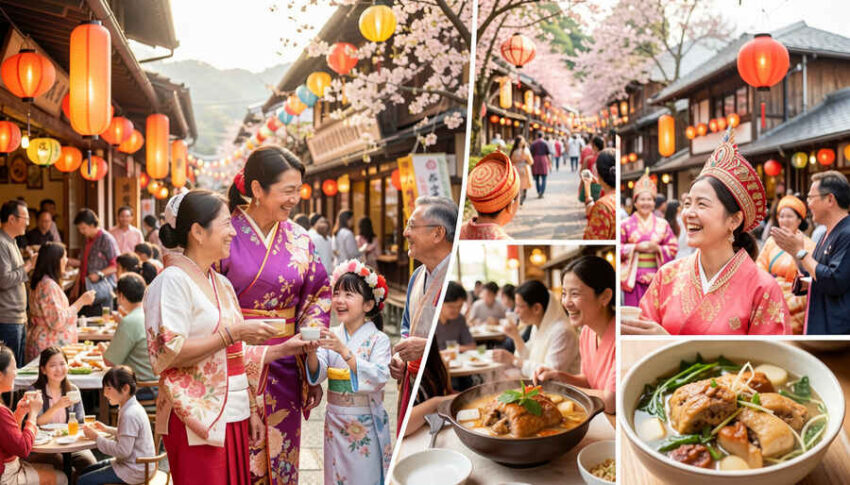
Japan and India are strengthening their tourism partnership as rising outbound travel from India fuels fresh momentum across cultural exploration, wellness retreats and immersive regional experiences. Record visitor numbers in 2025 highlight how Indian travelers are moving beyond seasonal highlights and embracing Japan as a year round destination rich in heritage, cuisine and meaningful travel opportunities.
Spring continues to carry strong visual appeal, but it is no longer the sole trigger for travel. Indian visitors are increasingly booking departures across summer, autumn and even winter, reshaping the flow of demand throughout the calendar year. Warmer months, once considered secondary, are seeing a notable rise in interest as travelers look beyond sakura and toward festivals, mountain retreats and coastal escapes.
This transition reflects a broader evolution in India’s outbound travel mindset. Travelers are no longer satisfied with iconic snapshots alone. They want layered experiences, regional flavors and stories that go beyond the surface. Japan’s diversity — from neon-lit urban centers to centuries-old villages — is meeting that expectation.
The traditional Tokyo–Kyoto–Osaka route remains important, but itineraries are stretching further. Alpine towns such as Takayama, scenic corridors in Hokuriku and countryside pockets of Honshu are gaining visibility in travel plans. Hakone’s hot springs and mountain views continue to attract visitors seeking wellness and relaxation, while heritage districts outside major cities are drawing those interested in architecture, craftsmanship and slow travel.
Rail journeys are playing a central role in this expanded exploration. Japan’s efficient train network is not just a mode of transport but an experience in itself. Panoramic routes through mountains, coastal stretches and rural landscapes are becoming highlights, encouraging travelers to spend more time moving between regions rather than concentrating only on big-city landmarks.
Food remains one of the strongest bridges between the two countries. Culinary curiosity is shaping itineraries in a powerful way. Indian travelers are seeking regional ramen styles, traditional tea rituals, local seafood markets and sake breweries rooted in generations of craftsmanship. Dining is increasingly treated as cultural immersion rather than convenience, with entire days built around food trails and neighborhood discoveries.
Japan’s pop-culture influence continues to fuel interest, especially among younger audiences. Anime districts, creative exhibitions and themed attractions inspired by beloved characters are drawing new segments of travelers. Years of digital exposure to Japanese entertainment and design have cultivated familiarity, and that familiarity is now translating into physical journeys.
Families and first-time international travelers represent a significant share of current bookings. For many, Japan offers a reassuring combination of safety, organization and cleanliness. Clear transport systems, punctual trains and well-maintained public spaces create confidence, particularly for those venturing on long-haul trips for the first time.
At the same time, customization is rising. Travelers are requesting temple stays, rural guesthouses, craft workshops and seasonal farm visits. The appetite for deeper engagement signals a move away from rigid sightseeing schedules toward more personal and meaningful encounters. This shift aligns with Japan’s broader strategy of distributing tourism benefits across regions and supporting local communities.
Sustainability and etiquette awareness are also becoming more visible. Indian visitors are showing increased respect for public behavior norms, waste management practices and cultural sensitivities. This growing mindfulness complements Japan’s efforts to manage overtourism and protect heritage zones while still welcoming rising visitor numbers.
Infrastructure investment is reinforcing this expansion. Upgraded regional airports, expanded rail links and improved visitor services are making it easier to explore beyond established gateways. Digital tools, multilingual support and seamless connectivity are smoothing the experience, particularly for travelers navigating new territories.
Japan’s long-term vision to attract sixty million international visitors annually by 2030 is driving much of this development. The emphasis is not just on volume but on balance — encouraging exploration of lesser-known prefectures while preserving iconic sites. For Indian travelers, this means more choices, broader access and greater variety across budgets and interests.
The surge in Indian arrivals represents more than statistical growth. It marks a redefinition of how Japan is perceived in the Indian imagination. No longer limited to a single seasonal spectacle, the country is emerging as a destination of contrasts — futuristic skylines and ancient shrines, high-speed rail and tranquil gardens, street food stalls and refined culinary artistry.
As awareness continues to grow and air connectivity strengthens, the upward trajectory appears set to continue. Indian travelers are approaching Japan with curiosity and openness, eager to explore its layered identity across seasons.
The result is a tourism relationship entering a new chapter — one defined not by blossoms alone, but by year-round discovery shaped by culture, cuisine, landscapes and lived experience.
The post Japan and India Deepen Tourism Ties as Growing Outbound Demand Unlocks New Opportunities Across Culture Wellness and Experiential Travel appeared first on Travel And Tour World.
Source: travelandtourworld.com



Sorry, the comment form is closed at this time.