


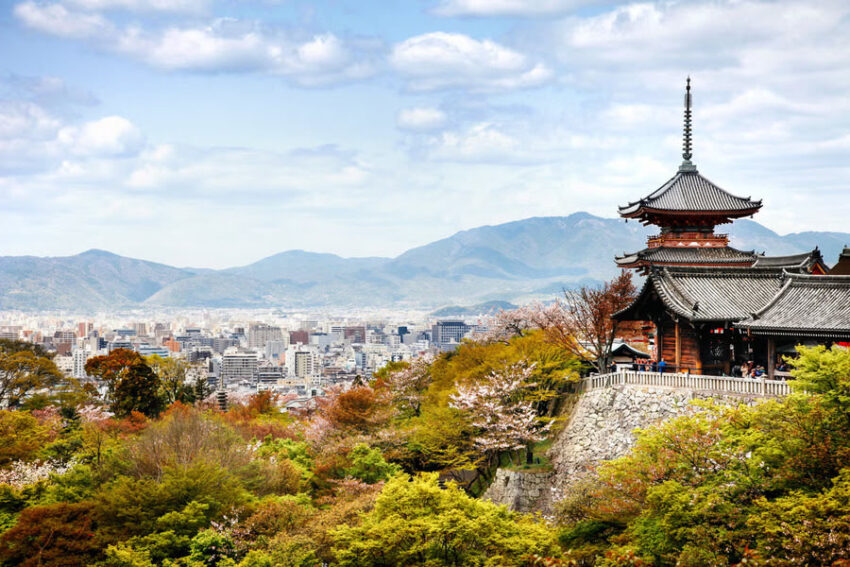
Japan Tourism Shake Up as Kyoto Imposes Record 10000 Yen Hotel Tax, Himeji Castle More Than Doubles Admission Fee to Fund Preservation: You Need to Know
Japan Tourism Shake Up as Kyoto Imposes Record 10000 Yen Hotel Tax, Himeji Castle More Than Doubles Admission Fee to Fund Preservation: You Need to Know
Japan’s historic destinations are implementing major pricing changes to address the challenges of surging tourism. Kyoto has launched a new five-tier lodging tax, charging up to 10,000 yen per person per night to support infrastructure improvements, reduce overcrowding, and fund the restoration of cultural landmarks. Meanwhile, Himeji has more than doubled the admission fee for its famous castle, directing the extra revenue toward long-term preservation and maintenance.
These measures highlight a broader push by local authorities to ensure that Japan’s tourism growth translates into sustainable funding for heritage protection, city management, and the careful balance between visitor demand and cultural preservation.
Kyoto Introduces Five-Tier Lodging Tax System
Kyoto’s new accommodation tax framework took effect Sunday, replacing its previous system with a more expansive five-tier structure. The maximum charge per person per night has jumped from 1,000 yen to 10,000 yen, marking the highest fixed-rate lodging tax imposed by any municipality in Japan.
Under the revised structure, the tax varies according to the nightly cost of accommodation:
200 yen for stays costing less than 6,000 yen
400 yen for stays between 6,000 yen and under 20,000 yen
1,000 yen for stays between 20,000 yen and under 50,000 yen
4,000 yen for stays between 50,000 yen and under 100,000 yen
10,000 yen for stays of 100,000 yen or more per night
The highest bracket applies primarily to luxury hotels and high-end traditional inns, reflecting the city’s intention to align tax contributions with accommodation pricing.
Municipal officials estimate that the revised tax rates will more than double annual lodging tax revenue by fiscal 2026, reaching approximately 13.2 billion yen. Authorities plan to channel the additional funds into tourism infrastructure, cultural heritage conservation, and measures aimed at managing overtourism in popular districts.
Addressing Overtourism and Preservation Pressures
Kyoto has long grappled with the dual challenge of maintaining its centuries-old temples, shrines, and historic neighborhoods while accommodating a growing wave of domestic and international travelers. Narrow streets in traditional areas and crowded public transport have fueled calls for sustainable tourism policies.
The expanded tax system is designed not only to generate revenue but also to create a pricing mechanism that reflects the true cost of maintaining a global tourism hub. Funds will support cultural property restoration projects, improvements to public facilities, and initiatives intended to ease congestion during peak travel seasons.
By scaling the tax according to room rates, Kyoto aims to ensure that higher-spending travelers contribute proportionally more to preservation efforts.
Himeji Castle Entry Fee More Than Doubles
At the same time, the city of Himeji has enacted a substantial increase in admission charges for its iconic landmark, Himeji Castle. The entrance fee for nonresidents aged 18 or older has risen from 1,000 yen to 2,500 yen.
Recognized as a UNESCO World Heritage Site, Himeji Castle stands as one of Japan’s best-preserved feudal-era fortresses. Its striking white exterior and expansive grounds draw visitors from around the world.
Local authorities have stated that the increased admission revenue will be directed toward maintenance, preservation, and structural protection measures. Given the castle’s age and architectural complexity, conservation requires ongoing investment to safeguard it against weather damage, natural disasters, and heavy foot traffic.
Visitor Numbers Continue to Climb
Tourism data underline why these measures have become a priority. Approximately 1.53 million people visited Himeji Castle in fiscal 2024, compared with about 1.48 million the previous year. International tourists accounted for 35.8 percent of visitors in fiscal 2024, up from 30.6 percent the year before.
The upward trend in overseas arrivals reflects Japan’s broader tourism recovery and expanding global appeal. Western Japan, with its concentration of cultural landmarks, has been a major beneficiary of this resurgence.
For cities like Himeji, higher entry fees are viewed as a practical strategy to sustain preservation standards without compromising the site’s integrity. The policy also mirrors a global pattern in which major heritage attractions adjust pricing to meet conservation and operational demands.
Balancing Growth and Sustainability
The parallel decisions in Kyoto and Himeji highlight a strategic pivot toward sustainable tourism financing. Rather than limiting visitor numbers outright, both cities are leveraging pricing mechanisms to secure funds necessary for long-term preservation.
In Kyoto, the expanded lodging tax spreads the financial responsibility across accommodation providers and guests, with higher-end travelers contributing more. In Himeji, the focus rests on direct reinvestment in a single heritage asset that anchors the city’s tourism economy.
As Japan’s tourism industry continues to expand, local governments are increasingly seeking ways to ensure that economic gains translate into tangible improvements in infrastructure and cultural protection.
Kyoto has introduced a record 10,000 yen per night lodging tax and Himeji Castle has more than doubled its entry fee to fund preservation, as rising visitor numbers put Japan’s historic sites under increasing pressure.
The recent hikes in lodging and admission fees in Kyoto and Himeji demonstrate a strategic approach to managing Japan’s booming tourism. By aligning charges with preservation and infrastructure needs, both cities are securing sustainable funding to protect cultural landmarks while accommodating growing visitor numbers, ensuring that tourism benefits continue without compromising heritage and local communities.
The post Japan Tourism Shake Up as Kyoto Imposes Record 10000 Yen Hotel Tax, Himeji Castle More Than Doubles Admission Fee to Fund Preservation: You Need to Know appeared first on Travel And Tour World.
Source: travelandtourworld.com



Sorry, the comment form is closed at this time.