


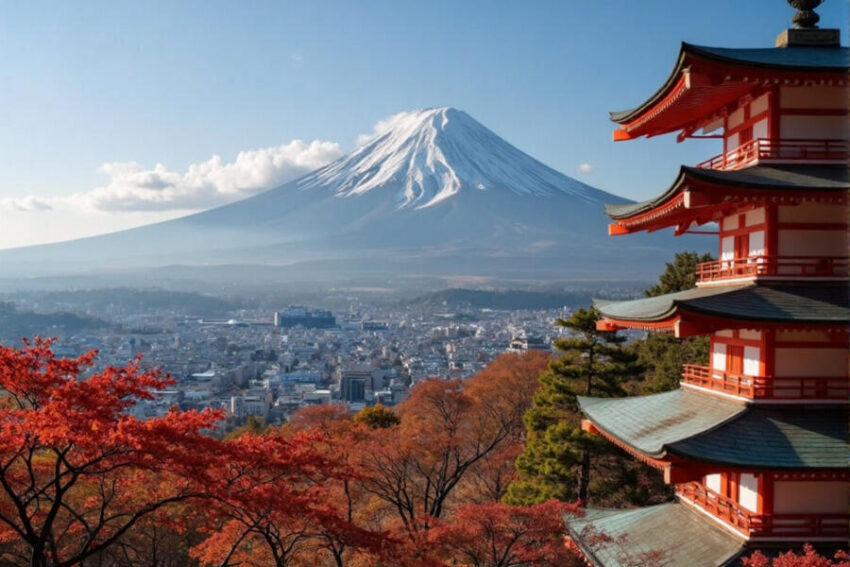
Japan’s Most Popular Tourist Destinations, Including Kyoto and Himeji, Implement New Tourist Taxes and Attraction Fees to Combat Overtourism and Ensure the Preservation of Cultural Heritage for Future Generations
Japan’s Most Popular Tourist Destinations, Including Kyoto and Himeji, Implement New Tourist Taxes and Attraction Fees to Combat Overtourism and Ensure the Preservation of Cultural Heritage for Future Generations
Japan’s most popular tourist destinations, including Kyoto and Himeji, have introduced new tourist taxes and attraction fees in response to the growing concerns of overtourism. These measures aim to manage visitor numbers and alleviate the pressure on local infrastructure, ensuring the preservation of cultural heritage sites for future generations. By implementing these charges, the Japanese government seeks to strike a balance between encouraging tourism and safeguarding the historical landmarks that define the nation’s rich cultural identity.
As overtourism continues to escalate in various parts of the world, several destinations across Japan are taking significant steps to manage the growing influx of travelers. From implementing additional entry fees at popular sites like Mount Fuji to canceling long-standing events, such as cherry blossom festivals, local authorities are doing everything they can to combat the negative impacts of tourism on their communities and environments.
Kyoto, a city renowned for its historical and cultural heritage, is one of the latest to introduce measures aimed at tackling overtourism. The city has raised its overnight tourism tax to help control the number of visitors and generate revenue to fund its ongoing preservation efforts. Effective immediately, the tax now charges up to 10,000 yen (approximately USD $64) per night, per person. This new levy is particularly noteworthy for travelers heading to Kyoto during the famous cherry blossom season, a time when the city sees an influx of tourists eager to witness the breathtaking beauty of its parks and temples.
According to reports, the city has implemented a five-tiered taxation system that varies depending on the cost of the accommodations. For instance, those staying in luxury hotels and paying more than 100,000 yen (about $635) per night will face the highest rate of 10,000 yen per night. This tier targets high-end travelers and those booking lavish stays in Kyoto’s upscale establishments. On the other hand, budget travelers who opt for accommodations costing less than 6,000 yen per night will pay a much smaller tax of 200 yen (around $1.30) per night. The new tax rates ensure that those who benefit most from Kyoto’s tourism economy contribute more towards its upkeep and sustainable growth.
The city’s authorities have estimated that the increase in taxes will more than double its lodging tax revenue, reaching an anticipated 13.2 billion yen in 2025. The funds raised through this increase will be allocated towards cultural restoration projects, environmental protection efforts, and further investment in the city’s tourism infrastructure. These measures are designed to preserve the rich cultural heritage of Kyoto and enhance the visitor experience while mitigating the negative consequences of excessive tourism.
In addition to Kyoto, other cities in Japan are taking similar steps to ensure that their tourist destinations remain intact for future generations. For example, in Himeji, a city famous for its UNESCO World Heritage Site, Himeji Castle, local authorities have increased the ticket prices for nonresident adults visiting the historic site. Previously priced at 1,000 yen, the entry fee has now risen to 2,500 yen (around $16) for adults. This move aims to help fund the maintenance and preservation of the castle, which has long been a major attraction for tourists visiting the region.
Himeji Castle, with its stunning architectural beauty and historical significance, attracts millions of visitors each year. The increase in ticket prices will provide the necessary funding to support the ongoing restoration and protection of the site, ensuring that it remains a top tourist destination for years to come. This adjustment is a clear indication of how cities with historically significant landmarks are taking proactive steps to maintain their cultural treasures amidst rising visitor numbers.
These efforts to address overtourism through increased entry fees and taxes are not unique to Japan. Around the world, many cities facing similar challenges are implementing measures to curb the negative effects of large volumes of tourists. City-wide lodging taxes and higher attraction fees are becoming popular methods to both preserve cultural heritage and manage visitor numbers. This approach allows cities to balance the economic benefits of tourism with the need to protect their historical and natural resources.
However, while these measures may be necessary for the long-term sustainability of tourism in popular destinations, they have sparked debates within the global tourism industry. The World Travel & Tourism Council (WTTC), for instance, has expressed concern over the imposition of city-specific overnight lodging fees, particularly in countries like the United Kingdom. The WTTC argues that such disparate new fees across cities and regions could hinder growth, restrict job creation, and negatively impact the competitiveness of a destination within the global tourism market. They warn that if these fees are not carefully implemented, they could have unintended consequences for the broader tourism sector, making countries less attractive to travelers and investors alike.
Despite these concerns, the need for sustainable tourism management has never been more urgent. With tourism numbers surging in many regions, cities must find innovative ways to manage the impact of this growth. For destinations like Kyoto and Himeji, raising taxes and entry fees is just one of many steps being taken to preserve the unique charm and beauty that attract visitors in the first place. By implementing these measures, Japan’s cities are not only safeguarding their cultural heritage but also ensuring that future generations can continue to enjoy these remarkable places.
To combat overtourism and protect cultural heritage, Japan’s popular destinations like Kyoto and Himeji are introducing new tourist taxes and attraction fees, ensuring these iconic sites are preserved for future generations.
as overtourism becomes an increasingly pressing issue, cities around the world are beginning to take more decisive action to protect their cultural and environmental assets. The rise in overnight lodging taxes and entry fees in Kyoto and Himeji highlights the growing trend of cities using revenue from tourism to support preservation efforts and ensure sustainable growth. While there are concerns about the potential impact of these measures on the tourism industry, it is clear that preserving the cultural integrity of popular destinations is vital for long-term success. These actions represent a necessary step towards creating a more balanced and sustainable tourism model for the future.
The post Japan’s Most Popular Tourist Destinations, Including Kyoto and Himeji, Implement New Tourist Taxes and Attraction Fees to Combat Overtourism and Ensure the Preservation of Cultural Heritage for Future Generations appeared first on Travel And Tour World.
Source: travelandtourworld.com



Sorry, the comment form is closed at this time.