


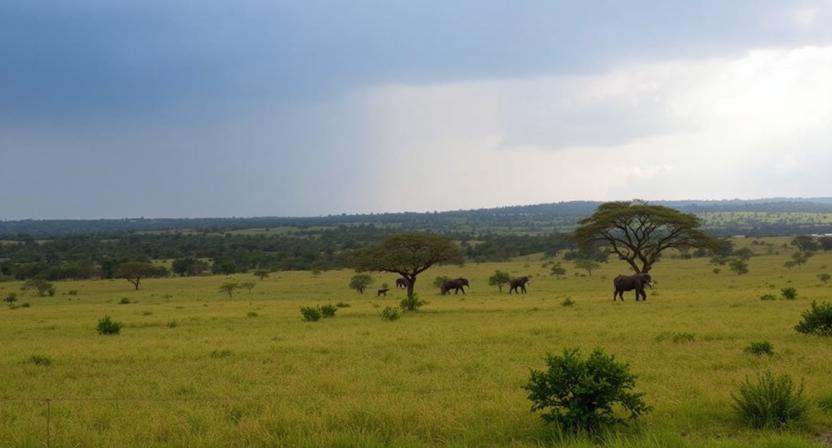
Kenya Tourism Faces New Challenges Amidst Rainy Season, Impacting Nairobi National Park, Karura Forest and Maasai Mara for their Future Growth
Kenya Tourism Faces New Challenges Amidst Rainy Season, Impacting Nairobi National Park, Karura Forest and Maasai Mara for their Future Growth
Currently, Kenya is undergoing the long rains season, which has seen rainfall recorded in different parts of the country. This has, in turn, led to accessibility challenges in some of the most popular tourism destinations within the country. Although tourism activities are still going on within the country, it is important to note that such conditions are defining the future of tourism within Kenya. Although some of the destinations are inaccessible, some are coping with the situation, and this has presented an opportunity for the growth of tourism within Kenya, particularly eco-tourism.
The Kenya Tourism Board has evaluated the impact of the rains on some of the most popular tourism destinations within the country, including updates on the current conditions, considering the challenges and how they may influence the future of tourism within Kenya.
Nairobi National Park: Open with Caution and Future Opportunities for Eco-Tourism
Despite the ongoing rainfall in Nairobi, Nairobi National Park remains open to visitors. However, the wet conditions have made some of the park’s internal roads slippery and temporarily impassable. Tourists and tour operators are urged to exercise caution and follow park regulations carefully to ensure safety.
Looking forward, rainy season conditions like these could further cement Nairobi National Park’s role as a critical part of Kenya’s eco-tourism landscape. The wet season brings lush landscapes, thriving wildlife, and unique experiences that can be capitalized upon to promote seasonal tourism. As global travelers increasingly seek nature-based and sustainable travel experiences, destinations like Nairobi National Park could see future growth in visitor numbers during these periods, where travelers can witness ecosystems in their full bloom, contributing to sustainable tourism growth in Kenya.
Karura Forest: Flooding Highlights Need for Resilient Tourism Infrastructure
In Karura Forest, rivers have burst their banks due to the ongoing heavy rainfall, flooding several sections of the forest, including paths leading to the caves and waterfalls. As a result, these areas have been closed for safety reasons.
This event highlights the importance of building resilient tourism infrastructure that can adapt to natural challenges such as flooding and heavy rains. The future growth of tourism in Kenya must incorporate climate-resilient practices, ensuring that tourist destinations can remain accessible while maintaining the integrity of natural landscapes. As eco-tourism and nature-based tourism continue to grow globally, Karura Forest and similar destinations could thrive with investments in sustainable infrastructure that enhances visitor experiences even in challenging weather conditions.
Maasai Mara National Reserve: Weathering Challenges for Sustainable Growth
The Maasai Mara National Reserve is currently facing localized flooding and difficult road conditions, particularly due to flash floods and muddy roads in some parts of the reserve. Access routes around the Talek area have also been affected by the rains.
However, the Maasai Mara’s future as a top tourism destination remains strong. The rains, while disruptive in the short term, help maintain the natural balance of the region, supporting wildlife and ecosystems that attract tourists year-round. In the future, Kenya’s tourism infrastructure will need to incorporate solutions to deal with these seasonal weather conditions, while enhancing the resilience of roads and access points to ensure continuous access during both the dry and rainy seasons. This will ultimately support the sustainable growth of tourism in the Mara and other wildlife reserves.
The Future of Eco-Tourism: Learning from Rainy Season Conditions
The ongoing rainy season challenges are a reminder of the importance of eco-tourism in Kenya’s future tourism strategy. As global travelers increasingly prioritize sustainability, Kenya’s eco-tourism offerings are expected to play a larger role in the country’s tourism growth. By adapting to climate variability and implementing sustainable practices in its tourism infrastructure, Kenya can position itself as a leader in eco-tourism and sustainable travel in the coming years.
Moreover, the tourism sector’s resilience to weather disruptions—by enhancing infrastructure, offering seasonal experiences, and integrating sustainability—will be essential in maintaining Kenya’s competitiveness as a leading tourism destination in East Africa.
The Impact of Future Tourism: Strengthening Kenya’s Position in Global Markets
The current rainfall conditions are a reminder of the need for adaptability and planning in Kenya’s tourism sector. The future growth of tourism in Kenya depends not only on capitalizing on the region’s natural beauty but also on strengthening infrastructure to accommodate changing weather patterns. As global tourism shifts towards more sustainable travel practices, Kenya’s diverse natural landscapes and wildlife will continue to attract travelers seeking eco-friendly and experiential tourism.
The Kenya Tourism Board is likely to focus on promoting destinations like Nairobi National Park, Maasai Mara, and Karura Forest in a way that balances visitor growth with environmental preservation, contributing to the long-term sustainability of the sector. Additionally, tourism diversification, focusing on cultural tourism, adventure tourism, and medical tourism, will provide more options to tourists, making Kenya an attractive destination throughout the year, rain or shine.
Resilient and Future-Ready Tourism in Kenya
The challenges that are being experienced due to rainfall in various tourism sites in Kenya can also be seen as an opportunity to redefine the tourism sector in Kenya. With the adoption of various sustainable tourism practices, Kenya’s tourism sector stands a better chance of thriving in the future. With continuous efforts towards adapting to various climate changes, Kenya’s tourism sector is expected to not only recover from these seasonal challenges but also thrive as a leading sector in the global market.
The post Kenya Tourism Faces New Challenges Amidst Rainy Season, Impacting Nairobi National Park, Karura Forest and Maasai Mara for their Future Growth appeared first on Travel And Tour World.
Source: travelandtourworld.com



Sorry, the comment form is closed at this time.