

Kuwait Joins United Kingdom, New Zealand, United States, Australia, Indonesia, Singapore And More As It Enforces Digital Currency Declaration For Cash Over Three Thousand Kuwaiti Dinars, Enhancing Border Security And Compliance
Kuwait Joins United Kingdom, New Zealand, United States, Australia, Indonesia, Singapore And More As It Enforces Digital Currency Declaration For Cash Over Three Thousand Kuwaiti Dinars, Enhancing Border Security And Compliance
Kuwait has joined a growing list of countries, including the United Kingdom, New Zealand, United States, Australia, Indonesia, and Singapore, by enforcing a new digital currency declaration requirement for travelers carrying cash exceeding three thousand Kuwaiti dinars. This move is part of Kuwait’s broader efforts to enhance border security, improve financial transparency, and align with global anti-money laundering standards. By implementing a streamlined digital process for cash declaration, Kuwait aims to ensure smoother airport experiences, prevent illicit financial activities, and strengthen compliance with international regulations, providing both residents and travelers with a more efficient and secure process.
In a significant move aimed at tightening border security and enhancing financial transparency, Kuwait has introduced a digital currency declaration system for travelers carrying cash exceeding three thousand Kuwaiti dinars (approximately $9,700 USD). This regulation is part of Kuwait’s broader effort to improve its financial monitoring systems and align with international practices aimed at preventing money laundering, terrorism financing, and other illicit activities. Travelers heading to or from Kuwait will now need to electronically declare cash or valuable assets exceeding the threshold before departure or upon arrival.
This article delves into the new regulations and how they align with similar measures already in place across the globe. It also explores the implications for travelers and the broader impact on global security and financial compliance efforts.
The New Digital Currency Declaration Process in Kuwait
Kuwait has officially implemented a digital declaration process for individuals carrying large sums of money in physical cash or valuable assets exceeding three thousand Kuwaiti dinars. The new regulation, which came into effect in 2026, mandates that travelers declare these amounts through an electronic system integrated into the government’s infrastructure. The Ministry of Finance, in collaboration with the General Administration of Customs, has developed this system as part of the country’s push towards a more efficient, digital, and streamlined border process.
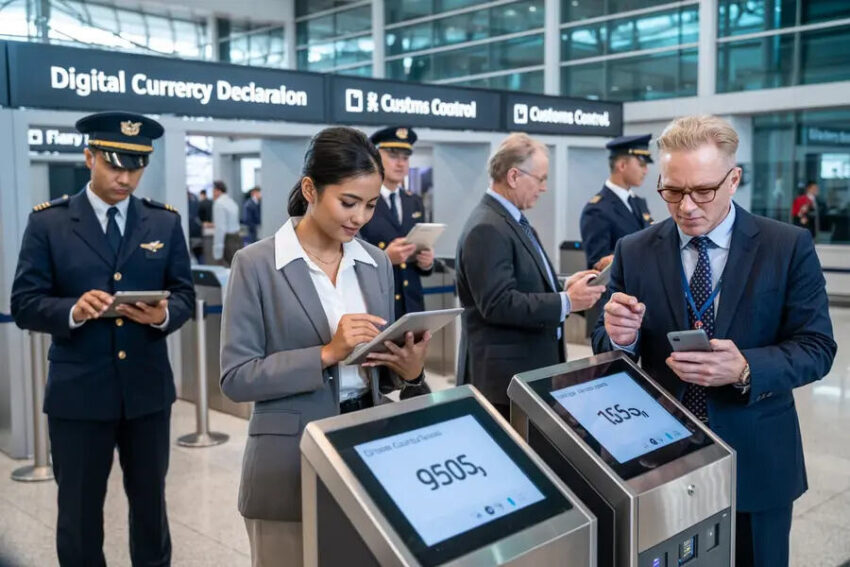
With the new digital system in place, travelers can declare cash before even reaching the airport, reducing the need for manual paperwork and ensuring quicker processing times. This shift from paper-based declarations to digital forms aims to boost efficiency, especially during peak travel seasons such as summer holidays and religious festivals when border crossings experience higher volumes of passengers. The system allows for immediate verification of declared amounts by customs officers, ensuring a smooth experience for law-abiding travelers while maintaining rigorous security measures.
Importantly, the new regulations do not restrict travelers from carrying large sums of cash or precious valuables but instead require that amounts over the specified threshold be declared. Non-compliance with these rules may lead to fines, temporary seizure of undeclared funds, or further legal action, depending on the circumstances. This measure aligns Kuwait with international standards that aim to combat financial crimes and promote transparency.
A Global Trend: Similar Cash Declaration Rules Around the World
Kuwait is not alone in implementing stringent regulations requiring travelers to declare cash and other monetary instruments. Numerous countries around the world already have similar cash declaration rules in place. These regulations are an integral part of efforts to fight money laundering, prevent terrorism financing, and ensure that cross-border financial activities are transparent and traceable.
Here is a list of countries where travelers are also required to declare large sums of cash, with their specific thresholds for declaration:
United Kingdom: Travelers entering or leaving the UK must declare any cash or equivalent monetary instruments exceeding £10,000. This includes banknotes, checks, and other negotiable instruments. The declaration ensures that large amounts of cash are legally sourced and not being used for illicit activities.
New Zealand: New Zealand also requires travelers to declare amounts exceeding NZD 10,000 (or the equivalent in foreign currencies). This regulation is aimed at maintaining the country’s reputation as a financial hub with strict anti-money laundering protocols.
United States: In the U.S., the threshold for cash declaration is USD 10,000. Any traveler carrying an amount greater than this must file a declaration with U.S. Customs and Border Protection. Failure to comply with this rule can lead to severe penalties, including the seizure of undeclared funds.
Australia: Australia has set the threshold for currency declaration at AUD 10,000. This includes both travelers entering and leaving the country, and the government has implemented measures to ensure that these regulations are adhered to at all major international airports.
Indonesia: Indonesia has implemented a similar system for travelers entering or leaving the country with cash exceeding approximately USD 6,500. This declaration is required at all points of entry and exit, ensuring that large sums of money do not bypass scrutiny.
Singapore: Singapore requires travelers to declare any cash or monetary instruments exceeding SGD 20,000. This regulation is part of the country’s stringent anti-money laundering and counter-terrorism financing policies, which align with global standards.
These countries have put in place similar regulations to Kuwait’s new digital declaration process, making it easier for authorities to track and verify the movement of large sums of cash. The aim is to ensure that financial systems remain transparent and to prevent illicit financial activities from infiltrating international borders.
The Importance of Digitalization in Border Security
The shift to digital currency declarations reflects a broader global trend towards digitalization in border security. By moving away from manual paperwork and implementing electronic systems, countries like Kuwait are enhancing their ability to manage high volumes of travel while maintaining strict security protocols.
Digital systems offer several advantages over traditional paper-based processes, including:
Efficiency: Digital declarations can be processed much more quickly than paper declarations. This reduces waiting times at airports and border checkpoints, improving the overall travel experience for passengers.
Accuracy: Automated systems help reduce human errors in processing declarations, ensuring that all relevant information is captured accurately and promptly.
Transparency: Digital systems make it easier for authorities to track and analyze large sums of money moving across borders. This helps authorities detect suspicious patterns and ensure compliance with national and international regulations.
Security: By having travelers submit their declarations digitally before reaching the airport, the process minimizes the chances of fraudulent activities, such as underreporting cash amounts, at the point of entry or exit.
As more countries adopt digital declaration systems, international travelers will likely experience smoother, faster, and more secure border crossings. These developments contribute to global efforts to make international travel more transparent and secure.
Implications for Travelers and the Tourism Industry
For travelers heading to or from Kuwait, it is important to familiarize themselves with the new currency declaration regulations. While the declaration of cash exceeding three thousand Kuwaiti dinars is mandatory, travelers are encouraged to carry only the amount of cash they need for their trip, as carrying large sums of money can attract unnecessary attention from authorities.
Tourists visiting Kuwait should also be aware that if they fail to declare amounts exceeding the threshold, they may face serious consequences, including the potential seizure of their funds, fines, or legal action. This underscores the importance of complying with local regulations when traveling internationally.
The introduction of digital currency declarations also has broader implications for the tourism industry. By streamlining the travel process, Kuwait’s new system is likely to attract more visitors, as travelers will appreciate the efficiency and ease of the process. Furthermore, tourists can have peace of mind knowing that they are complying with the country’s legal requirements, which may make Kuwait an even more attractive destination for those looking for a smooth and hassle-free travel experience.
Kuwait’s move to enforce digital currency declarations for cash exceeding three thousand Kuwaiti dinars is part of a global trend to enhance border security, financial transparency, and compliance with anti-money laundering protocols. By joining the ranks of countries such as the United Kingdom, New Zealand, United States, Australia, Indonesia, and Singapore, Kuwait is making it easier for travelers to comply with regulations while ensuring the safety and transparency of financial transactions across its borders.
As digital systems continue to evolve, travelers can expect further improvements in the efficiency and security of the travel process. Kuwait’s new regulations will undoubtedly contribute to a more secure and transparent global travel environment, benefiting both visitors and residents alike.
Kuwait has introduced a digital currency declaration for cash exceeding three thousand Kuwaiti dinars, joining countries like the United Kingdom and the United States. This move aims to enhance border security, improve financial transparency, and align with global anti-money laundering standards.
In conclusion, travelers must stay informed about these changes and ensure they comply with the new currency declaration requirements when visiting Kuwait. By doing so, they can help maintain the integrity of international financial systems while enjoying a seamless and secure travel experience.
The post Kuwait Joins United Kingdom, New Zealand, United States, Australia, Indonesia, Singapore And More As It Enforces Digital Currency Declaration For Cash Over Three Thousand Kuwaiti Dinars, Enhancing Border Security And Compliance appeared first on Travel And Tour World.
Source: travelandtourworld.com



Sorry, the comment form is closed at this time.