


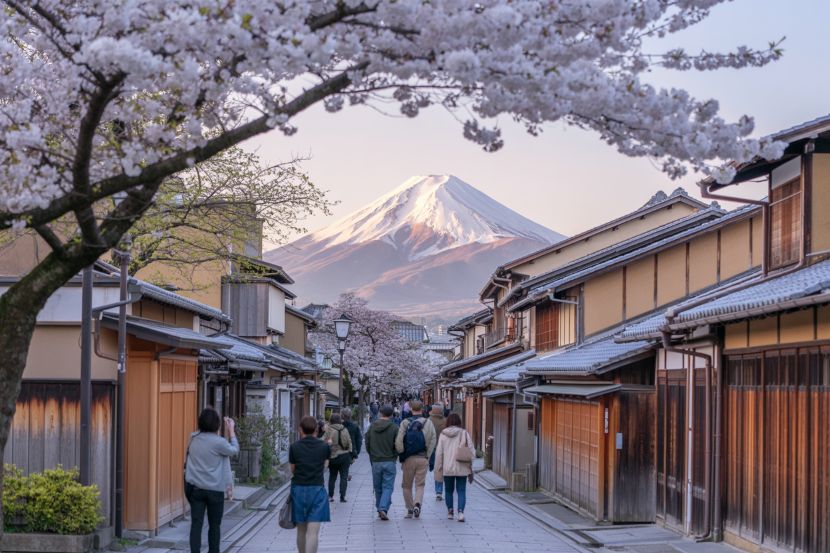
Kyoto Increases Stay Levies While Himeji Castle And Mount Fuji Adjust Access Rules Across Japan—How These Changes Affect Cherry Blossom Travel Plans From Osaka To Kansai
Kyoto Increases Stay Levies While Himeji Castle And Mount Fuji Adjust Access Rules Across Japan—How These Changes Affect Cherry Blossom Travel Plans From Osaka To Kansai
Japan’s iconic travel destinations—Kyoto, Mount Fuji, and Himeji Castle—are tightening visitor rules and raising tourism-related fees as overtourism intensifies during peak travel seasons. From a sharp rise in Kyoto’s overnight lodging tax to higher admission charges at Himeji Castle and new cost measures linked to Mount Fuji, authorities are moving swiftly to protect cultural landmarks and community life.
As cherry blossom season draws global travelers to Japan, these updated charges will directly impact trip budgets. The policy changes signal a broader shift in how popular cities such as Kyoto and heritage attractions like Himeji Castle are balancing economic gains from tourism with preservation, sustainability, and resident well-being. For international tourists planning spring itineraries, understanding these revised tourist taxes and entry fees is now an essential part of travel preparation.
Kyoto Raises Lodging Tax: What Travelers Need To Budget For
The ancient capital of Kyoto has introduced a revised accommodation tax structure that significantly increases costs for higher-end stays. The new framework, already in effect, follows a five-tier taxation system linked to nightly room rates.
Under the updated structure:
Guests paying 100,000 yen or more per night (approximately USD 635) will be charged 10,000 yen per person per night.
Budget travelers staying in accommodations costing less than 6,000 yen per night will pay 200 yen per night.
Mid-range categories fall between these thresholds, creating a scaled approach based on spending level.
City projections indicate that the revised system could push annual lodging tax revenue to around 13.2 billion yen, more than doubling previous collections. Funds are expected to support cultural conservation projects, tourism management infrastructure, and preservation of historic districts.
For travelers, this means luxury stays in Kyoto during cherry blossom season could now carry noticeably higher final bills. However, budget-conscious visitors will experience only marginal increases.
Smart Travel Strategy: How To Offset The Kyoto Tax Increase
Travelers can adapt by:
Booking accommodations outside peak cherry blossom dates.
Considering traditional ryokan or smaller guesthouses in neighboring districts.
Extending stays in less crowded regions such as Shiga Prefecture or Osaka, then taking day trips into Kyoto.
By diversifying itineraries, visitors can still enjoy Kyoto’s temples and historic streets without dramatically inflating travel costs.
Himeji Castle Admission Doubles For Nonresidents
The city of Himeji, home to the UNESCO-listed Himeji Castle, has also adjusted pricing for international visitors. The entry fee for nonresident adults has increased from 1,000 yen to 2,500 yen, bringing the cost to just under USD 16.
Often referred to as Japan’s most pristine surviving feudal castle, Himeji Castle requires constant structural maintenance due to its wooden framework and historic architecture. Officials have positioned the fee increase as a preservation-focused measure designed to sustain long-term conservation efforts.
For cultural travelers exploring western Japan, the price revision remains modest compared to global heritage site standards. Still, families or group travelers may notice cumulative costs.
Travel Tip: Maximize Your Himeji Visit
To enhance value:
Combine your castle ticket with visits to Kokoen Garden, located adjacent to the fortress.
Arrive early to avoid mid-day tour group congestion.
Plan weekday visits outside Japanese public holidays.
These steps can improve the overall experience while justifying the higher ticket price.
Mount Fuji And Event Adjustments Reflect Broader Overtourism Controls
Beyond Kyoto and Himeji, authorities have implemented new visitor management measures at Mount Fuji, one of Japan’s most photographed landmarks. Additional entry fees and stricter visitor regulations have been introduced along certain climbing routes to address overcrowding and environmental strain.
Meanwhile, in another overtourism response, a long-running cherry blossom festival in a heavily visited area has reportedly been canceled to reduce crowd-related disruptions for residents.
These measures reflect Japan’s broader tourism recalibration. With international arrivals surging following border reopenings, popular destinations have faced:
Congested public transport
Strain on heritage sites
Increased litter and environmental degradation
Community pushback in residential neighborhoods
Japan’s approach increasingly combines financial mechanisms, visitor caps, and infrastructure upgrades to maintain destination appeal without compromising livability.
The Global Debate Over Tourism Taxes
Japan is not alone in reassessing tourism-related levies. Across Europe and Asia, cities such as Venice, Barcelona, and regions within the United Kingdom have considered or implemented visitor taxes to manage overtourism pressures.
However, global tourism bodies have expressed caution about fragmented tax systems across regions. Concerns center on the potential for inconsistent fees to affect destination competitiveness, particularly if pricing structures become confusing for international travelers.
In Japan’s case, the tiered Kyoto system offers predictability by aligning taxes with spending level rather than applying a flat rate. For many travel analysts, this approach is viewed as more equitable than blanket surcharges.
Why Japan’s Tourism Policy Shift Matters For International Visitors
Japan welcomed record numbers of inbound travelers in recent years, driven by:
Favorable exchange rates
Strong global interest in cherry blossom travel
Expanded international air connectivity
Cultural tourism appeal tied to temples, castles, and cuisine
With these numbers climbing, cities such as Kyoto have faced record crowd levels in districts like Gion and Arashiyama. The revised tax policies signal a shift from growth-at-all-costs tourism to a sustainability-driven model.
For travelers, this transition offers both challenges and benefits:
Challenges
Higher accommodation costs in luxury categories
Increased attraction entry fees
Possible event cancellations or visitor limits
Benefits
Better preservation of cultural landmarks
Improved visitor flow management
Enhanced long-term destination sustainability
Planning Your Japan Trip In The Era Of Responsible Tourism
To travel smartly under the new framework:
Check local tax policies before booking – Especially in Kyoto during peak seasons.
Build flexible itineraries – Combine major cities with rural destinations like Takayama or Kanazawa.
Respect community guidelines – Follow signage in historic districts and adhere to environmental rules at Mount Fuji.
Budget for cultural experiences – Factor in rising entry costs for heritage attractions.
Japan remains one of the world’s most compelling destinations. These policy shifts aim not to discourage visitors, but to protect the very qualities that draw millions each year.
A Turning Point In Sustainable Japanese Travel
The introduction of higher lodging taxes in Kyoto, increased admission at Himeji Castle, and reinforced measures at Mount Fuji represent a defining moment in Japan’s tourism evolution. Rather than curbing visitor numbers outright, authorities are leveraging financial tools to redistribute tourism benefits and safeguard fragile heritage assets.
For global travelers, the message is clear: Japan is open, but increasingly focused on responsible visitation. Those planning spring journeys through Kyoto’s cherry blossoms or climbing Mount Fuji should now consider updated cost structures as part of thoughtful, sustainable travel planning.
The post Kyoto Increases Stay Levies While Himeji Castle And Mount Fuji Adjust Access Rules Across Japan—How These Changes Affect Cherry Blossom Travel Plans From Osaka To Kansai appeared first on Travel And Tour World.
Source: travelandtourworld.com


Sorry, the comment form is closed at this time.