


Lake Baikal Bus Tragedy Killing Seven Chinese Tourists, Highlights Winter Tourism Dangers and Calls for New Stricter Visitor Safety Measures
Lake Baikal Bus Tragedy Killing Seven Chinese Tourists, Highlights Winter Tourism Dangers and Calls for New Stricter Visitor Safety Measures
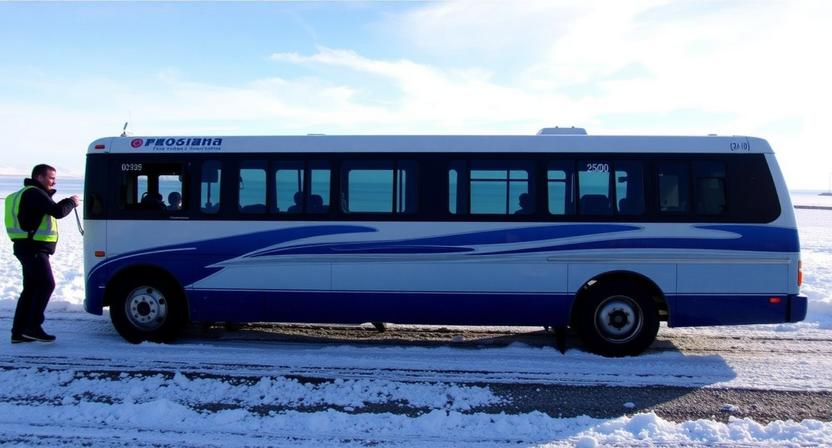
Tragically, on February 17, 2026, seven Chinese tourists lost their lives when the tour bus they were traveling in crashed through the ice on Lake Baikal in Siberia. This occurred when the tour bus drove into a three-meter-wide ice fissure, resulting in the vehicle sinking into the icy waters below. Lake Baikal, known as the world’s deepest freshwater lake, is a favorite tourist spot, especially during the winter months when the lake freezes to form crystal-like structures on its surface. However, this accident has serious implications for the safety of tourists during the winter season.
The Incident: Tragic Losses and Ongoing Investigation
Russian authorities responded quickly to the situation, using underwater cameras to locate the bus and recover the bodies of the seven victims. Governor Igor Kobzev confirmed that, according to eyewitness reports, one tourist managed to escape the sinking bus, while the others tragically did not survive. The Chinese Consulate General in Irkutsk confirmed the deaths and dispatched consular officials to assist with the investigation, highlighting the international concern surrounding this incident. The crash has sparked debate about the safety protocols for tourists traveling on Lake Baikal’s ice roads, which, though popular, come with inherent dangers.
Lake Baikal’s Popularity and the Risks of Winter Tourism
Lake Baikal is a top destination for tourists, especially during the winter months when the frozen lake transforms into a mesmerizing landscape. Chinese tourists, in particular, make up a significant portion of the visitors, attracted by the lake’s unique ice formations and the iconic cracking sounds from the frozen surface. The lake’s surface can be deceptively beautiful, but it is also dangerous, and officials have set up ice roads that are specifically monitored to ensure safe travel. These routes are crucial in winter, but driving off these roads is strictly prohibited due to the unpredictable nature of the ice.
This tragic accident raises questions about how much attention is paid to tourism safety, especially in extreme environments like Lake Baikal. While the scenic beauty and adventure tourism offer economic opportunities, incidents like these underscore the pressing need for better regulations to ensure that tourists can enjoy these destinations safely.
The Growing Demand for Winter Tourism: A Double-Edged Sword for Lake Baikal
The incident also highlights the growing demand for winter tourism in regions like Lake Baikal, which has become increasingly popular among international visitors, particularly those seeking adventure. With high-profile tourist destinations like Lake Baikal seeing record numbers of visitors, local tourism authorities have to ensure that the infrastructure keeps up with the increasing demand. While tourism growth offers economic benefits, such as job creation and enhanced regional development, it also puts pressure on existing safety measures, infrastructure, and resources.
In this tragic case, it is clear that tourism promotion and visitor experiences must go hand-in-hand with safety protocols. The growing popularity of winter tourism in Siberia needs to be accompanied by an increase in safety measures, better training for operators, and more comprehensive safety standards for activities conducted on the ice.
Tourism Impact: Safety Concerns Could Affect Future Growth
As tourism continues to grow in Lake Baikal and other extreme winter destinations, incidents like the February 17 crash could have far-reaching impacts on the future of Siberia’s tourism industry. Tourists may become more cautious about visiting destinations that present significant safety risks, potentially leading to a decline in bookings if safety issues are not adequately addressed. This incident serves as a wake-up call for tourism operators and local authorities to ensure that safety is prioritized in all marketing and promotional efforts.
The economic consequences of such incidents could also be significant. When tourists and travel agencies see that safety measures are inadequate, they may choose to visit destinations with more robust safety infrastructures. This could lead to a decline in the revenue generated by tourism, affecting local businesses, hospitality services, and transportation providers that rely on the influx of visitors to the region.
Moving Forward: Enhancing Safety Standards for Winter Tourism
In order to counter these risks and ensure that sustainable development of the tourism sector takes place, it is important for the authorities in Siberia to take steps to improve safety standards for winter tourism. This can be done by improving ice road safety standards, ensuring better safety standards for tourists, and making tourists more aware of the risks associated with ice tourism on frozen lakes.
One of the ways to deal with these issues could be to provide tourists with safer alternatives, such as more guided tours conducted by local operators who are aware of the risks associated with ice and can provide better safety standards for tourists. Additionally, making tourists more aware of safety standards and ice conditions before and during the tourist season can also help ensure that they are aware of the risks involved.
The post Lake Baikal Bus Tragedy Killing Seven Chinese Tourists, Highlights Winter Tourism Dangers and Calls for New Stricter Visitor Safety Measures appeared first on Travel And Tour World.
Source: travelandtourworld.com



Sorry, the comment form is closed at this time.