


Laos Faces Alarming Rise in PM2.5 Pollution as World Bank Funds Major Waste Management Reform to Improve Air Quality, Curb Seasonal Haze, and Protect Public Health Nationwide
Laos Faces Alarming Rise in PM2.5 Pollution as World Bank Funds Major Waste Management Reform to Improve Air Quality, Curb Seasonal Haze, and Protect Public Health Nationwide
Laos is confronting a serious public health concern as PM2.5 pollution continues to rise across several regions, affecting residents’ health and daily life. Official data from the Ministry of Agriculture and Environment shows that fine particulate matter levels are reaching thresholds that can harm children, older adults, and people with pre-existing respiratory conditions.
Recent readings highlight the situation:
Attapeu, Champasak, and Salavan provinces: AQI between 150 and 200, considered “starting to affect health”
Vientiane Capital: AQI between 119 and 147, classified as “minor impact”
While some areas may appear safer, long-term exposure to PM2.5 pollution still poses significant risks, particularly for vulnerable populations, making government-led interventions more critical than ever.
Seasonal Haze Exacerbated by Waste Practices
One of the biggest contributors to Laos’s annual haze is its growing waste problem. Reports from the Ministry of Public Works and Transport reveal:
Vientiane Capital produces about 15% of the country’s household waste
Nationwide, Laos generates nearly 6,900 tonnes of waste daily
Less than half of this waste is collected through official municipal services
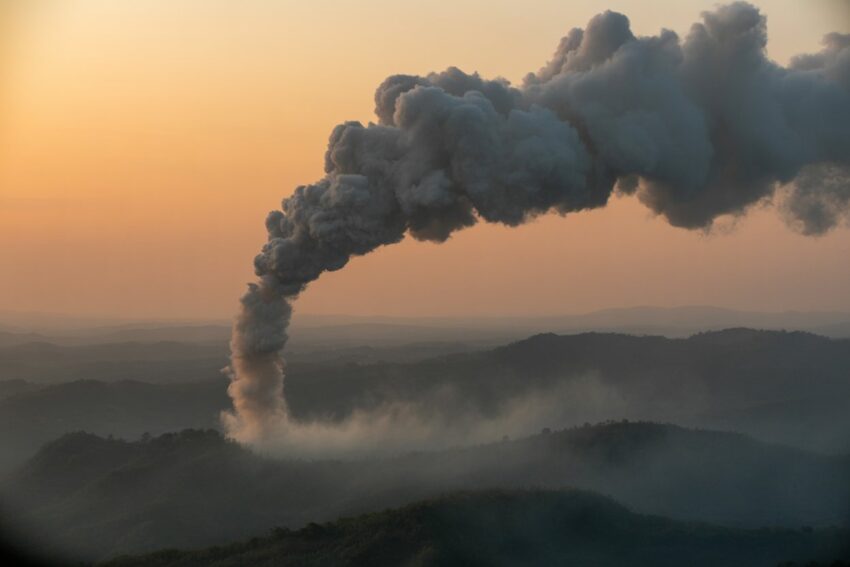
When waste goes uncollected, many communities turn to burning or illegal dumping, releasing particulate matter into the air and worsening PM2.5 pollution. On top of this, agricultural burning and vehicle emissions further push air pollutants to unhealthy levels. The combined effect of urban traffic and seasonal burning makes spikes in air quality levels a recurring concern during the dry season.
World Bank Supports Major Waste Management Reform
To address these challenges, the Lao government launched the Pollution and Waste Management Project, backed by a USD 37.85 million grant from the World Bank. The program, running from 2025 to 2031, focuses on reducing PM2.5 pollution through effective waste management reform.
Key elements of the initiative include:
Upgrading landfill operations to meet environmental safety standards
Expanding municipal waste collection coverage in Vientiane Capital from 44% to 70%
Encouraging recycling, composting, and waste separation
Minimizing the volume of waste that is burned or dumped
Authorities emphasize that these steps will not only improve air quality levels but also protect the health of residents most affected by fine particulate matter.
Stronger Enforcement to Curb Open Burning
Infrastructure improvements alone are not enough. The government has introduced a nationwide ban on outdoor burning during the dry season, giving local officials greater powers to enforce compliance. The program includes:
Educating communities about proper waste disposal and alternative solutions
Promoting composting and community recycling initiatives
Reducing emissions from household and agricultural waste that contribute to PM2.5 pollution
By tackling open burning at its source, the government hopes to reduce the seasonal haze and improve air quality levels across both rural and urban areas.
Regional Cooperation for Air Quality
Air pollution in Laos isn’t limited by national borders. Through the CLEAR Sky Strategy, the government collaborates with Thailand and Myanmar to monitor and manage cross-border haze. Satellite monitoring and other tools help authorities:
Track haze caused by agricultural burning in neighboring countries
Coordinate responses to regional air quality issues
Ensure that national environmental policy aligns with cross-border efforts
This collaboration strengthens Laos’s ability to combat PM2.5 pollution by addressing both domestic and regional contributors, creating a more comprehensive and sustainable solution.
Health Benefits and Long-Term Goals
Government officials stress that reducing PM2.5 pollution is about more than cleaner skies—it’s about safeguarding health and quality of life. Long-term benefits of the project include:
Lower risk of respiratory and cardiovascular illnesses in vulnerable populations
Cleaner, safer urban and rural environments
A model of integrated environmental policy connecting waste management, air quality, and public health
By expanding waste collection, enforcing anti-burning measures, and fostering regional cooperation, Laos is working to achieve lasting improvements in both PM2.5 pollution and overall air quality levels.
Key Takeaways
PM2.5 pollution is rising across southern provinces and Vientiane Capital, affecting public health
Seasonal haze is driven by household waste, agricultural burning, and vehicle emissions
Less than 50% of daily waste is formally collected, prompting open burning and illegal dumping
The Pollution and Waste Management Project, supported by the World Bank, expands waste collection and improves landfills
Nationwide bans on outdoor burning, combined with community education, aim to reduce fine particulate emissions
Regional cooperation under the CLEAR Sky Strategy monitors cross-border haze and strengthens environmental policy compliance
Long-term reforms focus on sustainable reductions in PM2.5 pollution, enhancing both public health and air quality levels
Conclusion
The Lao government is taking decisive steps to address PM2.5 pollution by improving waste management, enforcing anti-burning regulations, and collaborating with neighboring countries. Through infrastructure upgrades, educational campaigns, and regional strategies, authorities aim to reduce seasonal haze, protect vulnerable populations, and ensure cleaner air for the future. By prioritizing both environmental responsibility and public health, Laos is making measurable progress in tackling one of its most pressing air quality challenges.
The post Laos Faces Alarming Rise in PM2.5 Pollution as World Bank Funds Major Waste Management Reform to Improve Air Quality, Curb Seasonal Haze, and Protect Public Health Nationwide appeared first on Travel And Tour World.
Source: travelandtourworld.com



Sorry, the comment form is closed at this time.