


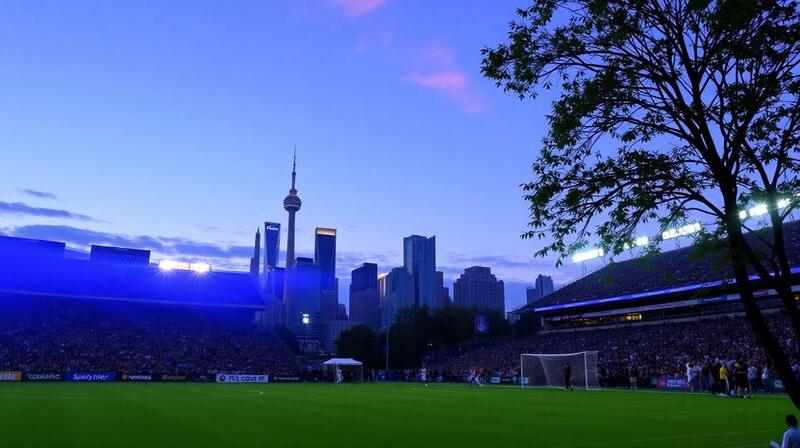
Las Vegas Joins Los Angeles, Kansas City, Philadelphia and More US Cities as World Cup 2026 Set to Rejuvenate Tourism and Hospitality Industry Hit by Declining Foreign Travel – What You Need to Know
Las Vegas Joins Los Angeles, Kansas City, Philadelphia and More US Cities as World Cup 2026 Set to Rejuvenate Tourism and Hospitality Industry Hit by Declining Foreign Travel – What You Need to Know
Las Vegas, along with cities like Los Angeles, Kansas City, and Philadelphia, is gearing up for a major tourism revival as the 2026 World Cup promises to inject billions into the US economy. The event offers a much-needed boost to the hospitality industry, which has been severely impacted by a decline in foreign visitors.
The US hospitality industry, reeling from a significant drop in foreign tourism, is looking towards the 2026 World Cup as a potential savior, hoping the event’s global draw will reverse the current downward trend. With many hotels across the country facing tough times, the World Cup, scheduled from June 11 to July 19, 2026, presents a beacon of hope as the industry aims to recover from the financial hardships caused by decreased international travel.
In 2025, foreign visits to the US dropped by 5.4 percent, with Canadians showing a noticeable decline of 21.7 percent. For the hospitality sector, international tourists play a crucial role, often staying longer and spending more money than domestic travelers. At hotels managed by Sonesta Group in Washington and Miami Beach, nearly a quarter of business comes from foreign visitors, and the recent downturn has left hotel owners feeling the pressure.
Many industry professionals, while hesitant to publicly blame the policies of President Donald Trump’s administration, acknowledge that his actions—such as imposing tariffs, tightening immigration rules, and negative rhetoric—have strained international relations and led to reduced travel. Canadians, in particular, have been discouraged from visiting, with many expressing their decision not to travel out of principle or due to political differences with the US. Brazilian tourists, too, have chosen to travel to Europe and other destinations instead, citing less favorable conditions in the US.
The state of tourism has also affected major destinations like Las Vegas, where hotel revenue is down by a staggering $6.7 billion in 2025. Despite the tough conditions, some hotels, like the Bellagio resort, have managed to stay afloat by lowering prices to attract guests. However, the long-term outlook remains uncertain, with the hospitality workforce, numbering over two million, facing anxiety about the future.
World Cup: The Potential Lifeline for the US Hospitality Industry
As the US economy grapples with the effects of decreased tourism, the 2026 FIFA World Cup has emerged as a source of optimism. Spanning 11 US cities, the event is expected to attract millions of visitors, offering an economic windfall for the country. According to the American Hotel and Lodging Association (AHLA), the World Cup is likened to having nearly 80 Super Bowls in just over a month. This extraordinary influx of visitors could help offset the revenue losses seen in 2025 and give the entire hospitality sector a much-needed boost.
Hotels in host cities like Los Angeles, Kansas City, and Philadelphia are expected to see an uptick in bookings, with fans traveling from all corners of the globe to witness the games. Even cities not directly hosting matches are poised to benefit, as international tourists extend their trips to explore other US destinations. Las Vegas, for example, anticipates an influx of fans stopping over either before or after attending games in other cities.
Organizers are projecting that the World Cup will not only bring millions of fans to the stadiums but will also generate substantial economic activity across the country. With an expected 20-30 million tourists and a potential $30 billion boost to the US economy, the event promises to be a game-changer for the country’s hospitality industry.
Hotels in Washington and Miami Eye the World Cup Boost
For hotel managers, the World Cup offers a glimmer of hope. While the Miami Beach property is undergoing renovations and unable to accommodate large groups of World Cup fans, hotels in Washington, D.C., are strategically highlighting their proximity to Philadelphia, one of the key World Cup venues. The World Cup presents an opportunity for hotels to showcase their locations and capitalize on the influx of tourists, offering packages and deals for fans traveling to nearby cities for matches.
Despite the excitement surrounding the event, there are still significant challenges to overcome. The ongoing conflict in the Middle East, following US-Israeli strikes on Iran, threatens to further disrupt global travel. The volatile political landscape adds an additional layer of uncertainty, with hoteliers unsure of how this geopolitical tension will affect tourism in the lead-up to the World Cup.
A Cross-Country Recovery: The Ripple Effect of World Cup Tourism
The potential impact of the 2026 World Cup is far-reaching. Hotels in non-host cities, including those in secondary markets and smaller regions, are also hoping to capitalize on the global attention. As international visitors travel to the US for the World Cup, they may decide to explore other attractions, stay at local hotels, and contribute to the broader economy.
The benefits of the 2026 World Cup are expected to extend beyond the host cities. Destinations across the US are preparing to capitalize on international visitors who will likely extend their travels, exploring multiple markets. This ripple effect could revitalize the entire hospitality sector, providing a much-needed boost to cities that have been facing challenges in recent years.
The World Cup’s ability to rejuvenate the tourism sector is a testament to the power of sports tourism. Large-scale international events like this often have a transformative effect on the local economies of host cities, and the World Cup will be no exception. It has the potential to restore confidence in the US hospitality industry, bringing much-needed revenue and revitalizing jobs that have been hard hit by the decline in international travel.
Looking to the Future: Can the US Hospitality Sector Sustain Post-World Cup Growth?
While the 2026 World Cup is poised to offer a short-term financial boost, the long-term prospects of the US hospitality industry will depend on how the sector adapts to changing global dynamics. The recovery is likely to be uneven, with some regions benefiting more than others. It will also depend on the ability of hotel owners, managers, and industry professionals to navigate shifting political landscapes and economic conditions.
As the World Cup approaches, the focus will shift to ensuring that the industry is prepared to meet the influx of visitors. Hoteliers are already fine-tuning their strategies, offering specialized packages and ensuring their properties are ready to handle the demand. However, the true test will come after the event when the global spotlight moves on, and the industry will need to maintain momentum to sustain its recovery.
The hospitality sector is at a crossroads, and while the World Cup presents a tremendous opportunity, it will not be a cure-all. The industry must continue to innovate, address the challenges posed by geopolitical tensions, and work to restore the trust of international tourists. With careful planning, however, the US hospitality industry can emerge stronger and more resilient in the years to come.
The post Las Vegas Joins Los Angeles, Kansas City, Philadelphia and More US Cities as World Cup 2026 Set to Rejuvenate Tourism and Hospitality Industry Hit by Declining Foreign Travel – What You Need to Know appeared first on Travel And Tour World.
Source: travelandtourworld.com



Sorry, the comment form is closed at this time.