


Las Vegas Severe Winter Weather 2026: Flight Delays & Road Chaos
Las Vegas Severe Winter Weather 2026: Flight Delays & Road Chaos
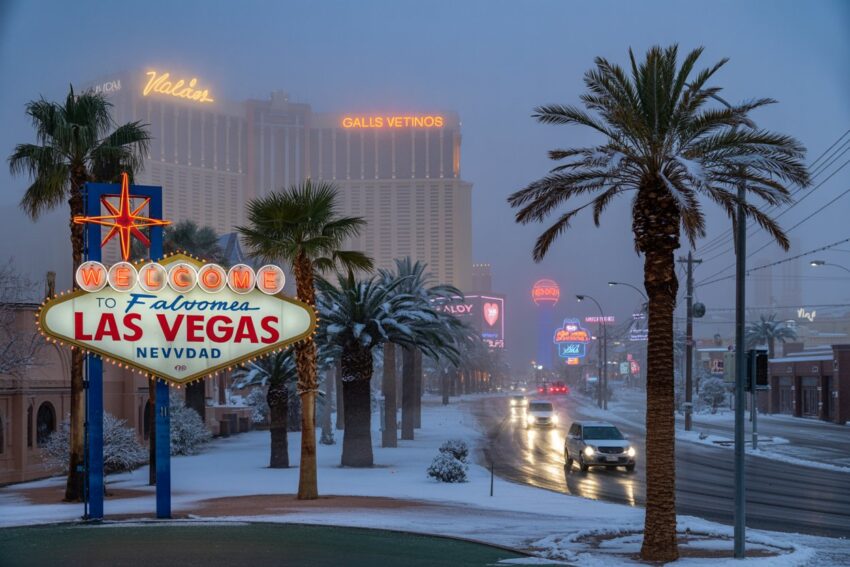
Las Vegas is a city built on the promise of perpetual warmth—a neon oasis in the Mojave Desert where “winter” usually just means swapping a swimsuit for a light sweater. But on Wednesday, February 18, 2026, that promise was broken. A powerful and rare winter weather system swept through the Las Vegas Valley, turning the palm-fringed Strip into a cold, wind-lashed corridor and triggering massive disruptions for both residents and the millions of tourists who call the city a home away from home.
For a city unaccustomed to the grip of ice and snow, the impact was immediate. From the tarmac of Harry Reid International Airport (LAS) to the high-elevation passes of Interstate 15, the “Vegas vibe” was replaced by the frantic refresh of flight-tracking apps and the glow of emergency flares.
Aviation Anarchy: Harry Reid International at a Standstill
The most visible casualty of the storm was the city’s air travel infrastructure. While Southern Nevada didn’t see the “feet of snow” hitting the Sierra Nevadas, the combination of plummeting temperatures and hurricane-force gusts (up to 75 mph) created a nightmare for ground operations.
By mid-morning on February 18, aviation trackers reported staggering numbers:
Total Delays: Over 229 flights at LAS were delayed by 15 minutes or more.
Cancellations: At least 11 flights were scrubbed entirely, leaving thousands of travelers stranded.
Most Affected Carrier: Southwest Airlines, the dominant carrier in Las Vegas, bore the brunt, recording 163 delays and 7 cancellations in a single morning.
The FAA implemented Traffic Management Programs, with arrival delays at LAS averaging 60 to 90 minutes. For many travelers, the frustration wasn’t just local. Winter storms in major hubs like Denver (DEN) and Chicago (ORD) created a cascading “ripple effect,” meaning even if a plane was ready in Vegas, its crew or the aircraft itself was trapped under a snowbank thousands of miles away.
Treacherous Trails: Road Closures and Advisories
Outside the airport, the Las Vegas Valley’s road network struggled to cope with the “Eastern Mojave Desert Winter Weather Advisory.” The National Weather Service (NWS) issued warnings for snow accumulations of 1 to 3 inches at elevations near 4,000 feet.
For those traveling between Southern California and Las Vegas, the journey became a survival test. Interstate 15, the main artery for the “weekend warrior” crowd, saw dangerous conditions at Mountain Pass and Halloran Springs Summit. Low visibility and black ice led to multiple accidents, including an overturned vehicle that paralyzed the I-11 and 215 Beltway in Henderson for hours.
The “Human” Side of the Storm
Beyond the data, the storm told a story of interrupted lives. Business travelers arriving for high-stakes conventions found themselves stuck in “Ground Stop” limbo, while families who had come for a bit of desert sun were instead forced to buy overpriced sweatshirts at souvenir shops.
Local residents, many of whom don’t own ice scrapers or heavy coats, found their daily routines upended. The city’s lack of traditional “snow removal” infrastructure—like salt trucks and plows—meant that even a light dusting of snow or a thin layer of ice remained on side streets far longer than it would in a city like Minneapolis.
“It felt like the city just didn’t know how to react,” said one traveler stuck at the airport. “Vegas is usually so efficient, but you throw a little ice on the ground and everything stops.”
Why 2026 Is Seeing Such Volatile Weather
Meteorologists point to a “Warm La Niña” trend that has made the 2025–2026 winter season highly variable. While much of February had been unseasonably warm, this specific cold front tapped into a deep trough of Pacific moisture. This “atmospheric river” collided with Arctic air, creating the perfect recipe for a desert snow event.
Looking Ahead: Recovery and Preparedness
As the storm system moves eastward toward the Midwest, Las Vegas is left to pick up the pieces. Airport officials urge all passengers to check their flight status via airline apps before heading to the terminal, as it may take 48 to 72 hours for flight schedules to fully normalize.
Key Takeaways for Travelers:
The Layering Rule: February in Vegas is unpredictable. Pack for 60°F days but be prepared for 30°F nights.
Travel Insurance: In a year of volatile weather, ensure your policy covers “knock-on” delays from distant hubs.
Road Kit: If driving I-15 in winter, always carry extra water, a flashlight, and blankets.
The desert has a way of reminding us that it is still a wild place. The February 2026 storm was a stark reminder that even the brightest lights can be dimmed by the power of nature.
The post Las Vegas Severe Winter Weather 2026: Flight Delays & Road Chaos appeared first on Travel And Tour World.
Source: travelandtourworld.com



Sorry, the comment form is closed at this time.