


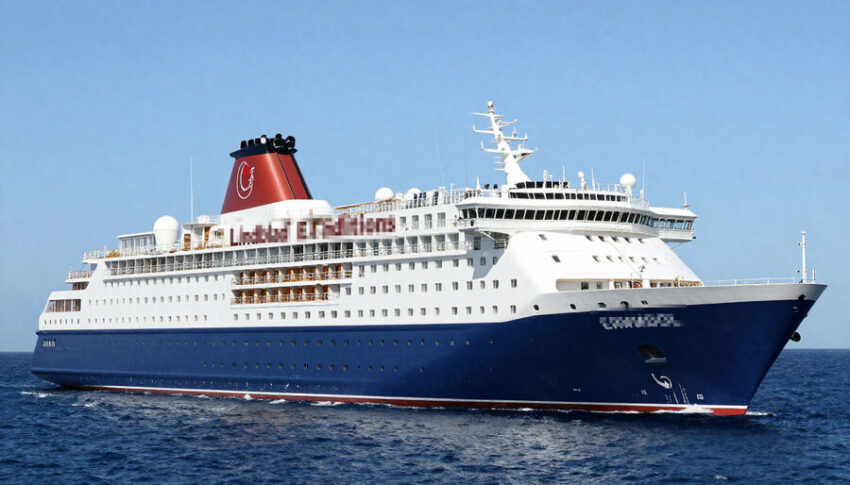
Lindblad Expeditions Embarks on Major Fleet Expansion with New Ships, Seasonal Charters and Strategic Acquisitions to Meet Rising Demand for Expedition Travel
Lindblad Expeditions Embarks on Major Fleet Expansion with New Ships, Seasonal Charters and Strategic Acquisitions to Meet Rising Demand for Expedition Travel
Lindblad Expeditions is moving decisively to expand its fleet, signaling a major step in its strategy to meet rising demand for expedition-style cruises. The company is taking a multi-pronged approach, combining seasonal charters, targeted vessel acquisitions, and potential new ship construction to increase capacity while maintaining the high-quality, immersive experiences that define small-ship cruising.
Expansion Opportunities Align with Market Trends
Current conditions suggest the timing is right for fleet growth. Building a new expedition vessel generally takes about four years, which positions delivery toward the latter part of the decade. A key advantage of this approach lies in the cruise industry’s advance booking patterns: itineraries for new ships typically open for reservations years before they set sail, generating early revenue that offsets upfront capital expenditures.
At the same time, the company is actively exploring shorter-term solutions to expand capacity. These include acquiring existing ships and arranging seasonal charters that can quickly enter service, allowing the fleet to grow while newbuild projects are still in progress. This dual approach ensures flexibility while managing investment risk.
Charters and Acquisitions as a Growth Strategy
Charter agreements and acquisitions play a central role in near-term expansion. However, the expedition ship market is highly specialized, and vessels that meet stringent operational, environmental, and guest experience standards are scarce. Opportunities to acquire ships are therefore limited, and expansion depends as much on timing and availability as on financial investment.
Rather than pursuing rapid fleet growth, the strategy emphasizes selecting vessels that meet operational standards and align with the company’s experiential focus. The priority is quality over quantity, ensuring that each addition enhances the brand’s reputation and maintains consistency across destinations.
Alaska Operations Highlight Fleet Flexibility
Alaska illustrates how this approach can work in practice. Two older U.S.-flagged ships are scheduled for retirement, to be replaced by a seasonal charter arrangement starting in 2027. The new vessel will modernize operations and optimize deployment, increasing passenger capacity in the region by roughly 12 percent for that season.
This example shows how chartered ships can provide immediate growth and operational improvements while the company plans for longer-term fleet expansion. It also reflects a growing trend in expedition cruising, where operators leverage charters to quickly adapt to market demand.
Reinforcing Presence in Core Markets
The company is also strengthening its presence in established expedition regions. Recent fleet additions in the Galapagos have enhanced capacity in one of the world’s most regulated and sought-after destinations.
Beyond the Americas, expansion includes new European river cruise charters and extended operational agreements across Asia. This diversification spreads capacity across multiple markets, reduces dependence on any single destination, and allows consistent utilization of vessels throughout different seasons.
Navigating a Limited Vessel Market
The expedition ship market is defined by scarcity. Ships with ice-class capabilities, advanced navigation systems, and high-quality onboard facilities are rare, and many are already committed to long-term charters. As a result, acquisition strategies focus on patience, selective opportunities, and alignment with operational standards.
By carefully evaluating each vessel for suitability, the company ensures that fleet growth strengthens operations without compromising guest experience or safety standards. This measured approach allows steady expansion in a market where options are limited.
Meeting Growing Demand for Experiential Travel
Small-ship expedition cruises continue to attract travelers seeking unique experiences, including wildlife encounters, remote destination access, and educational programming. The combination of newbuild planning, strategic acquisitions, and charters allows the company to respond to this growing demand while maintaining the high-touch, immersive experiences that define expedition travel.
Outlook for the Next Decade
Looking ahead, the company’s expansion plans aim to modernize fleets, increase global reach, and optimize capacity across key destinations. By blending long-term ship construction with shorter-term growth strategies, the company can grow steadily without sacrificing operational excellence or the quality of guest experiences.
With fleet expansion phased over several years, Lindblad Expeditions is positioning itself to meet rising demand for adventure-focused cruising while reinforcing its leadership in small-ship exploration travel. By combining strategic investment, operational flexibility, and careful market timing, the company is preparing for the next decade of growth with a versatile and modernized fleet.
The post Lindblad Expeditions Embarks on Major Fleet Expansion with New Ships, Seasonal Charters and Strategic Acquisitions to Meet Rising Demand for Expedition Travel appeared first on Travel And Tour World.
Source: travelandtourworld.com



Sorry, the comment form is closed at this time.