


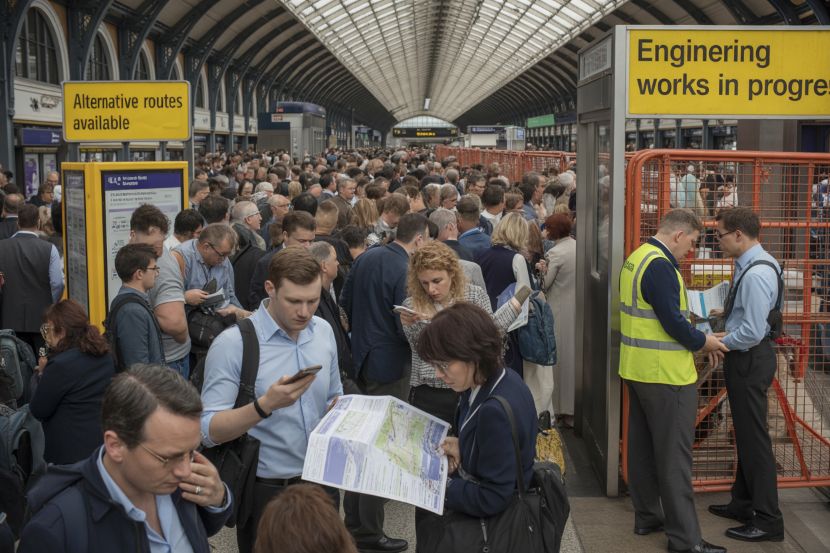
London’s Charing Cross and Waterloo East Stations to Close for 3 Weeks – Major Upgrades Will Cause Rush-Hour Chaos
London’s Charing Cross and Waterloo East Stations to Close for 3 Weeks – Major Upgrades Will Cause Rush-Hour Chaos
In a move that will cause significant disruption to London commuters and tourists alike, Charing Cross and Waterloo East stations will be closed for 22 days this summer. The closures, which will begin on Sunday, July 26, 2026, and end on Sunday, August 16, 2026, are part of a £20 million project aimed at replacing old and worn-out track between the two stations.
The upgrade, undertaken by Southeastern Railway, is critical to improving rail services and preventing future disruptions, but it is expected to cause chaos for the 10,000 daily commuters who rely on these two stations for their daily journeys.
The Reasons Behind the Station Closures
The 22-day closure is necessary to carry out extensive engineering works, including replacing 1,800 meters of aging track that have caused significant delays in the past. The track, which has been in place for over 35 years, has been the source of frequent faults, leaving passengers stranded on crowded platforms or packed trains.
In addition to replacing the track, the project will involve structural repairs to Hungerford Bridge, and improvements to drainage systems at Waterloo East station. These repairs are intended to create a more reliable rail service and prevent the need for further closures during busy times, such as bank holidays or weekends, when many travelers pass through these stations.
What Does This Mean for Commuters and Tourists?
During the three-week closure, Southeastern Railway has confirmed that passengers will need to take alternative routes, as Charing Cross and Waterloo East will not be operational. Commuters who rely on these stations for their daily journeys into London will face considerable disruption, as train services will be redirected to other stations, including Victoria, Cannon Street, and Blackfriars.
Some services will terminate at London Bridge, and passengers will be able to use their tickets on alternative rail routes, as well as London Underground and buses to complete their journey. While this will help maintain travel options, it will likely cause longer commute times and inconvenience for daily travelers.
How Business and Tourism Travel Will Be Affected
For business travelers heading to London, these closures may affect those who rely on Charing Cross or Waterloo East stations for fast access to central business districts. Delays in commuting could impact meetings and schedules, especially during the peak summer months when business travel is high.
For tourists planning to visit key attractions in London, including the West End, Big Ben, and London Eye, the closures could add significant travel time to their plans, particularly those relying on train services to get from their accommodation to tourist spots. The closures may also disrupt the routes to famous landmarks that are easily accessible from Waterloo East station.
Southeastern Railway’s Plan to Minimize Disruption
Southeastern Railway has emphasized that although the closure is unavoidable, they have taken steps to minimize the impact on commuters and tourists. This includes coordinating with local authorities and transport providers to ensure seamless transfers and to keep passengers informed of alternative travel options.
Officials at Southeastern have also assured passengers that a clear step-by-step plan for the closures will be in place, with updates on the replacement services, as well as any changes to timetable schedules or connections. This should help ease the burden on those traveling into and out of London during the works.
What Can Travelers Do to Prepare?
Travelers affected by the station closures can take several proactive steps to manage the disruption:
Check Train Timetables Early: Always check timetable changes ahead of your travel date, as alternative routes and diversions will be in effect.
Allow Extra Time for Journeys: With alternative stations and routes in use, expect longer commute times. Make sure to factor in additional time for delays.
Use Other Transport Options: Consider using London Underground or buses if they provide more convenient connections to your destination.
Stay Updated with Southeastern’s Notifications: Make sure to sign up for travel alerts or keep an eye on Southeastern’s website for real-time updates.
Plan for Crowds: During the summer months, expect more crowded trains and stations, as the closures are likely to increase pressure on other transport routes.
The Bigger Picture: Why the Upgrades Are Necessary
These upgrades are part of a wider plan by Southeastern Railway and Network Rail to improve the reliability of the UK’s rail network. As the rail infrastructure ages, ongoing investments and repairs are critical to maintaining the efficiency of travel into London, particularly as the population grows and the demand for rail services continues to increase.
In the long term, these improvements will help to ensure a more reliable service for passengers, reduce delays, and improve the overall experience of commuting into London. By carrying out these essential repairs and upgrades during the quieter summer months, the hope is that future disruptions will be minimized, and passengers will benefit from smoother journeys in the years to come.
Conclusion: A Temporary Inconvenience for a Long-Term Gain
While the three-week closure of Charing Cross and Waterloo East stations will undoubtedly cause disruptions for commuters and tourists, the ultimate goal of these upgrades is to create a more reliable, efficient, and safe rail network for everyone traveling to and from London. For business travelers and tourists alike, alternative travel routes and timetable adjustments will be necessary, but the improvements to track and infrastructure will eventually lead to a better travel experience in the future.
Key Points in Bullet Form:
Charing Cross and Waterloo East stations will be closed from July 26 to August 16, 2026 for essential track and bridge repairs.
The £20 million project will replace 1,800 meters of old track and carry out structural repairs to Hungerford Bridge.
Alternative routes include Victoria, Cannon Street, and Blackfriars stations; passengers may also use London Underground and buses.
The closure will disrupt business travel and tourism, particularly for visitors heading to central London.
Southeastern Railway aims to minimize disruption by providing updates and coordinating with local transport providers.
By staying informed and adjusting travel plans, passengers can navigate the disruption while benefiting from improved rail services in the future.
The post London’s Charing Cross and Waterloo East Stations to Close for 3 Weeks – Major Upgrades Will Cause Rush-Hour Chaos appeared first on Travel And Tour World.
Source: travelandtourworld.com



Sorry, the comment form is closed at this time.