


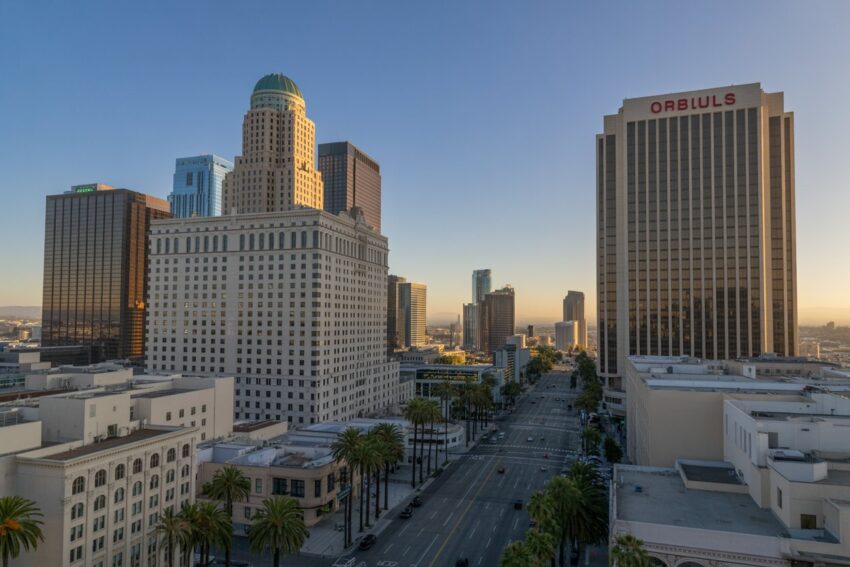
Los Angeles Travel and Tourism Alert Now: LA Hotels Slash Jobs After New Wage Law, Leading to Price Hikes and Industry Strain in 2026
Los Angeles Travel and Tourism Alert Now: LA Hotels Slash Jobs After New Wage Law, Leading to Price Hikes and Industry Strain in 2026
A new industry study reveals that hotels across Los Angeles have cut about 6% of their workforce in the aftermath of a newly implemented wage ordinance designed to raise pay for hospitality workers, and visitors may soon see higher prices for stays and services as the region’s travel industry adjusts. The findings come amid ongoing debates over the costs and benefits of living wage policies in the tourism‑dependent sector of California’s largest city as it prepares to welcome millions of travelers in the coming years.
According to the Hotel Association of Los Angeles County (HALA) and a report by the Hospitality Education and Research Organization (HERO), the sweeping wage increase — now well above the statewide minimum wage — has created financial pressures that have already forced hospitality businesses to rethink staffing, pricing and operational models. Los Angeles is grappling with balancing higher wages for employees with the competitive costs of travel and tourism.
New Wage Ordinance in LA: Background and Implementation
The wage ordinance, passed by the Los Angeles City Council and signed into law by Mayor Karen Bass in 2025, mandates that hotel workers in properties with at least 60 guest rooms receive a minimum hourly wage starting at $22.50 and increasing incrementally until it reaches $30 by mid‑2028. This wage is considerably higher than the California statewide minimum wage, which was $16.90 as of early 2026.
The incremental increase was designed to address the high cost of living in Los Angeles and ensure that hospitality workers benefit from the region’s booming travel economy. Supporters of the law, including labor unions and worker advocacy groups such as UNITE HERE Local 11, argue that higher wages will ultimately support quality of life for workers who have struggled with low pay in one of the nation’s most expensive cities.
Industry Report Shows Early Economic Impact on Hotels
However, a survey of 92 LA hotel properties — conducted in February 2026 — shows that about 6% of jobs have already been eliminated in response to these rising wage requirements. That equates to roughly 650 positions lost or expected to be cut as hotels work to adapt their financial models. Additionally, the report indicated that 62% of surveyed hotels plan to reduce staff hours in 2026, and many smaller establishments are mulling closures of hotel restaurants, gift shops, and other amenities.
HALA President Dr. Jackie Filla told reporters and travel industry watchers that many hospitality operators are feeling squeezed by the wage increases, especially as labor costs surge amid still‑tight tourism demand. According to the association, mandated labor costs are projected to climb by nearly 90% between 2024 and 2028, leading dozens of hotels to question the long‑term viability of their current staffing levels without raising consumer prices.
“We’ve seen hotels cut jobs not because they want to, but because they have to,” Filla said, indirectly conveying that the wage and benefits package, while well‑intentioned, is placing an “unaffordable” burden on many operators at a time when affordability for travelers is also top of mind.
Wage Hikes and Their Broader Impact on Lodging Prices
With labor costs rising sharply, a majority of hotels surveyed reported that they anticipate raising prices for guests to counterbalance the added payroll expenses. Some hotel operators have already hinted at potential 10% increases in parking fees, food and beverage prices, or room rates starting later in 2026 as part of cost‑containment strategies.
Industry analysts warn that visitors to Los Angeles — one of the most visited cities in the United States — could soon experience higher travel costs overall, with lodging being one of the primary drivers. As hotels navigate the financial difficulties of higher minimum wages, guests may also see shifts in service availability or quality at certain properties.
Smaller Hotels and Restaurants Bear the Brunt
Independent and smaller hotels have reported that they are feeling the wage law’s effects more acutely than larger chains, which generally have wider financial reserves and diversified revenue streams. For these smaller players, the cost of absorbing wage increases without significantly raising customer prices is particularly challenging and contributes to decisions to cut staff, reduce hours, or even consider scaling back operations in 2026.
Some properties have disclosed that they may close on‑site restaurants or reduce food service hours, and other auxiliary hotel services, as labor costs increase. Food and beverage outlets, gift shops and other on‑site revenue sources have been flagged as “at risk” items in the coming year if wage requirements continue as planned.
Views From Workers, Business Owners, and Tourists
While labor advocates argue that the wage hike will ultimately bolster overall worker wellbeing and align hotel pay with the rising cost of living in Los Angeles, business owners caution that the timing of the increase could coincide with already emerging economic headwinds for the travel industry. The tourism sector — vital to LA’s economy — is navigating the post‑pandemic resurgence, rising operating costs, and now significant wage jumps, all while striving to remain competitive with other major U.S. cities that have not adopted such steep wage trajectories.
Travelers planning visits to Los Angeles — whether for leisure or business — may soon find themselves weighing higher nightly rates or fewer complimentary services against the backdrop of these industry changes. Some hotels may also prioritize cost‑saving automation or scheduling adjustments that could affect traditional guest‑staff interactions.
Economic Context and Future Outlook
Los Angeles officials behind the wage law argue that in the face of historic events such as the upcoming 2028 Olympics, enhanced wages are necessary to improve quality of life for hospitality workers and ensure a robust workforce capable of serving an influx of international visitors. However, hotel associations have called for reevaluation, amendments, or potential pauses to the ordinance so that the full economic impacts can be assessed and mitigated.
The debate highlights a broader national conversation about minimum wage policies, cost‑of‑living adjustments, and how they intersect with major travel hubs that rely on tourism. California’s statewide minimum wage adjustments and city‑level ordinances build on existing labor law frameworks that emphasize living wages — but the practical effects, especially on sectors like hospitality, continue to evolve and spark discussions among policymakers, workers and travelers alike.
Conclusion: Travel Costs and Industry Change in Los Angeles
As Los Angeles prepares for future travel demand — from business conventions to global sporting events — the hospitality sector’s response to minimum wage laws will remain a focal point for industry watchers. Early signs suggest that while higher wages aim at benefiting workers, there are tradeoffs in staffing and pricing that could shape how travelers experience Los Angeles in 2026 and beyond. Visitors may notice increased hotel costs and evolving service models as hoteliers adjust to the new wage environment.
The post Los Angeles Travel and Tourism Alert Now: LA Hotels Slash Jobs After New Wage Law, Leading to Price Hikes and Industry Strain in 2026 appeared first on Travel And Tour World.
Source: travelandtourworld.com


Sorry, the comment form is closed at this time.