

Lufthansa Joins SWISS, and Edelweiss Air in Leading the Future of Flight Safety with ‘IATA Turbulence Aware’—Your Flight Just Got Smoother
Lufthansa Joins SWISS, and Edelweiss Air in Leading the Future of Flight Safety with ‘IATA Turbulence Aware’—Your Flight Just Got Smoother
In a significant step forward for aviation safety and passenger comfort, Lufthansa, SWISS, and Edelweiss Air have unveiled their participation in the innovative “IATA Turbulence Aware” technology. This cutting-edge system, which collects real-time data on turbulence from flights operated by participating airlines, promises to enhance the flying experience by providing pilots with precise, up-to-the-minute information on atmospheric conditions.
The program is designed to optimize flight safety, improve the efficiency of operations, and offer passengers a smoother, more comfortable journey. By incorporating this technology, Lufthansa and its sister airlines are setting new standards in the aviation industry, improving both global flight data accuracy and passengers’ in-flight experiences.
Who Is Behind the Technology?
“IATA Turbulence Aware” is a global initiative backed by the International Air Transport Association (IATA), and its primary goal is to improve the safety of air travel worldwide. Lufthansa Group, along with its partners SWISS and Edelweiss Air, is leading the way in implementing this transformative technology.
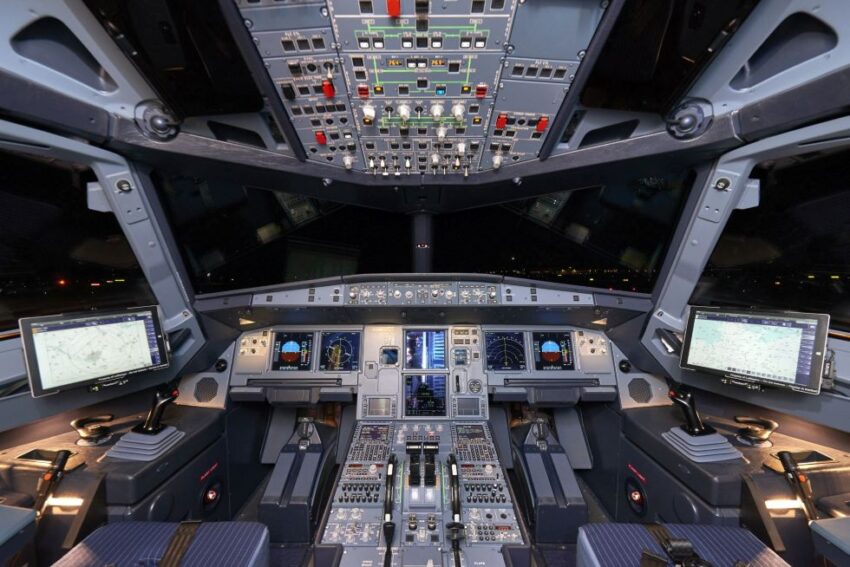
These airlines will contribute valuable data to a central system that tracks turbulence, with each flight equipped with sensors that measure the intensity and location of turbulence at various altitudes. This real-time information will be made available to pilots in the cockpit, displayed clearly on their navigation maps.
What Does ‘IATA Turbulence Aware’ Do?
At the core of “IATA Turbulence Aware” is the use of “swarm intelligence”—a term that refers to the aggregation of data from thousands of aircraft worldwide. Each of these aircraft is equipped with sensors that constantly monitor turbulence and send anonymized data back to a central database.
The real-time turbulence data is color-coded for easy interpretation by pilots, who can instantly access information about the turbulence’s location, altitude, and intensity. This information is not only valuable for ensuring smoother flights but also assists in making more accurate flight plans. It supplements traditional weather forecasting tools, offering better data accuracy and allowing pilots to better anticipate and navigate turbulent air conditions.
How Does This Technology Improve Passenger Comfort and Flight Safety?
The benefits of this new technology extend directly to passengers. By providing pilots with better insight into the atmospheric conditions they are flying into, they can make more informed decisions, such as adjusting altitude or route to avoid rough patches of air. This leads to:
Smoother Flights: Pilots can proactively adjust flight paths to avoid turbulence, leading to a less bumpy experience for passengers.
Increased Safety: By enabling more accurate predictions of turbulent areas, this system minimizes the risk of unexpected in-flight issues.
Better In-Flight Service: With more accurate turbulence data, flight attendants can plan or pause in-flight services in advance, ensuring the safety of both passengers and crew.
The “IATA Turbulence Aware” technology enhances overall operational efficiency by providing airlines with real-time data that can also improve their forecasting models. For Lufthansa, SWISS, and Edelweiss Air, this system marks a step toward being leaders in aviation innovation.
How Does It Work?
The technology is based on data shared by a network of thousands of aircraft worldwide. These planes are equipped with sensors that continuously measure turbulence and share the data anonymously with a central database managed by IATA. Pilots then receive real-time turbulence data directly on their cockpit navigation maps.
Using color-coded indicators, pilots can quickly assess turbulence in different areas and adjust flight plans accordingly. This proactive approach to managing turbulence means smoother and safer flights for all passengers.
Where Will This Technology Be Used?
The technology will be deployed across all Lufthansa Group airlines, including Lufthansa itself, SWISS, and Edelweiss Air. Each of these carriers will contribute to the global database of turbulence data, further enhancing the quality of data available to airlines worldwide.
The system has the potential to revolutionize flight safety not just for Lufthansa passengers but for air travel across the globe, as more airlines join the program and contribute data. With this data-sharing initiative, the goal is to ultimately improve global weather forecasts and enhance the predictability of flight conditions in real-time.
Why Is This Technology Important for Global Aviation?
In addition to improving passenger comfort and flight safety, “IATA Turbulence Aware” is making an important contribution to the global aviation sector. By sharing valuable turbulence data with the German Weather Service and other meteorological institutions, the program helps to calibrate and improve long-term weather forecasting models.
This will lead to more accurate weather predictions in the future, benefiting not just the aviation industry but also other sectors that rely on weather data. In the long run, “IATA Turbulence Aware” represents a major advancement in how aviation data is utilized to enhance both safety and operational efficiency.
Conclusion: A Step Toward the Future of Flight Safety
The introduction of “IATA Turbulence Aware” is a major milestone for the aviation industry, and Lufthansa, SWISS, and Edelweiss Air are at the forefront of this exciting development. By providing pilots with real-time data on turbulence, this technology offers passengers a smoother, safer, and more comfortable travel experience while helping airlines operate more efficiently.
As more airlines participate in this program, the long-term impact on global aviation will be significant. Not only will passengers benefit from fewer disruptions, but the technology also promises to improve the accuracy of weather forecasts, making air travel even safer in the years to come.
The post Lufthansa Joins SWISS, and Edelweiss Air in Leading the Future of Flight Safety with ‘IATA Turbulence Aware’—Your Flight Just Got Smoother appeared first on Travel And Tour World.
Source: travelandtourworld.com



Sorry, the comment form is closed at this time.