


Madeira’s Tourism Boom Sparks New Regulations by Portugal to Limit Overcrowding and Preserve the Island’s Scenic Trails
Madeira’s Tourism Boom Sparks New Regulations by Portugal to Limit Overcrowding and Preserve the Island’s Scenic Trails
Madeira, an island off the coast of Portugal, is facing the growing challenges of increased tourism, particularly due to its popularity among cruise passengers and nature lovers. To protect its stunning volcanic cliffs, lush landscapes, and hiking trails from overcrowding and environmental degradation, the government has implemented new fees and reservation systems. These measures are designed to regulate visitor flow, ensuring that the island’s natural beauty and resources are preserved for future generations. As tourism continues to surge, these changes reflect a necessary shift toward more sustainable practices, balancing economic growth with environmental conservation.
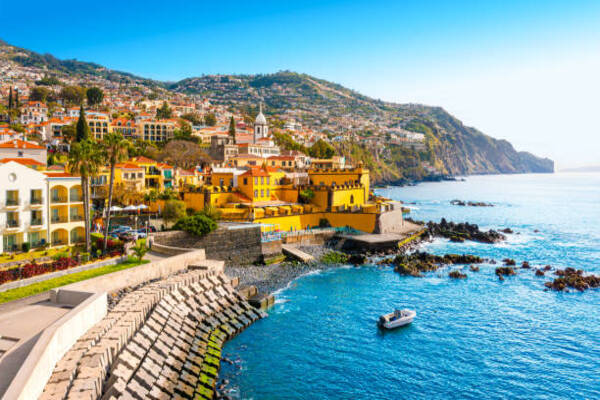
Madeira, a stunning archipelago off the coast of Portugal, is known for its volcanic cliffs, lush greenery, and winding hiking trails. Often dubbed the “Hawaii of Europe,” this picturesque destination has long attracted nature lovers and outdoor enthusiasts. However, with the rise in visitor numbers—particularly from the growing cruise industry—the island is now grappling with the challenges of mass tourism. To address these pressures and protect the island’s delicate environment, the Portuguese government has introduced new fees and regulations aimed at better managing the flow of visitors.
Over the years, Madeira has gained popularity as a cruise destination, with a significant increase in passenger traffic. In 2025, the Port of Funchal welcomed more than 700,000 cruise passengers, marking a notable milestone for the island. This surge in visitors has also led to an increase in foot traffic on Madeira’s famed hiking trails, some of which have been overwhelmed by the number of hikers and tourists seeking to explore the island’s stunning landscapes.
To combat overcrowding, the local government has implemented a new reservation system for hiking trails. Starting in 2026, all hikers are required to book a 30-minute time slot in advance through a digital platform called SIMplifica. This move is designed to control access to the most popular hiking routes and minimize the strain on the island’s infrastructure. Non-residents will now need to pay a fee of around $5.30 for the use of standard trails, while those who opt to book their hike through a registered tour operator will enjoy a discounted fee of $3.60. Residents of Madeira and children under the age of 12 are exempt from the fees but must still register in advance to access the trails.
One of the most iconic trails on the island, the PR 1, which takes visitors through the island’s highest peaks, will also see changes. Starting in April 2026, the trail will charge $12.50 for general public access and $8.30 for guided tours. This hike, often considered a must-do for visitors, offers breathtaking views of the island and a glimpse into Madeira’s rugged terrain. The decision to introduce fees for this trail is part of a broader effort to manage tourism and protect the island’s natural beauty.
Despite the island’s popularity as a hiking and nature tourism destination, many locals are increasingly concerned about the rapid commercialization and environmental degradation caused by the influx of tourists. Housing prices have surged in recent years as demand for short-term rentals and accommodations has spiked. As tourism has boomed, resources such as water and electricity have been stretched, and there are concerns about the long-term sustainability of the island’s infrastructure. The once quiet and tranquil island has transformed into a bustling tourism hub, and some residents feel that the growing crowds are eroding the very essence of Madeira that once drew them to the island in the first place.
The impact of increased tourism is also evident in the pressures it places on local businesses. While the tourism sector has led to economic growth, many locals now find themselves grappling with the challenges of mass tourism. The growing number of visitors has led to overcrowded attractions, difficulty finding parking, and a general sense of over-commercialization. As the number of cruise ship arrivals continues to rise, some have voiced concerns that the very things that made Madeira unique — its natural beauty, sense of peace, and close-knit community — are being threatened by the overwhelming presence of tourists.
For years, Madeira was considered a hidden gem, largely off the radar of mass tourism. But in recent years, the island has been increasingly recognized as a top destination in Europe, thanks in part to the power of social media and travel influencers. Locations like the Levada das 25 Fontes, known for its waterfalls and lush scenery, and the Cabo Girão Skywalk, a glass platform offering stunning views over the Atlantic, have become iconic spots, gaining popularity through platforms like Instagram and TikTok. As more tourists flock to these destinations to capture the perfect photo, concerns about overcrowding and environmental sustainability continue to grow.
The question many are asking is whether the fees and regulations being introduced by the government will be enough to balance the needs of tourists and residents. While the new fees are designed to manage the flow of visitors and protect the island’s environment, some feel that they may only serve as a temporary fix to a larger problem. As the demand for tourism increases, it remains to be seen whether these measures will be sufficient to maintain the island’s natural allure while ensuring that local communities are not overwhelmed by the influx of visitors.
The idea of imposing fees on tourists to help manage overcrowding is not new. Cities around the world have adopted similar policies in response to rising tourist numbers. In Rome, for example, tourists visiting the Trevi Fountain were recently asked to pay a small fee to access the site. Such measures are increasingly being implemented in popular tourist destinations as a way to help fund maintenance efforts, preserve natural resources, and reduce the negative impacts of mass tourism.
While some see these fees as a necessary step in ensuring the sustainability of Madeira’s tourism industry, others argue that the additional costs and administrative hurdles may discourage potential visitors. The balance between maintaining the island’s charm and providing the infrastructure needed to accommodate growing numbers of tourists is delicate, and the challenge for Madeira will be finding ways to protect its natural beauty without stifling the very industry that has driven its economic growth.
In the coming years, Madeira’s ability to navigate these challenges will likely serve as a case study for other popular tourist destinations. As tourism continues to rise across the globe, many regions are grappling with the same issues of overcrowding, environmental damage, and the strain on local resources. The key will be finding solutions that allow destinations to thrive economically while ensuring that they remain sustainable for future generations. Madeira’s experiment with fees and reservations may provide valuable insights into how other destinations can manage the pressures of mass tourism and ensure a balance between development and conservation.
The post Madeira’s Tourism Boom Sparks New Regulations by Portugal to Limit Overcrowding and Preserve the Island’s Scenic Trails appeared first on Travel And Tour World.
Source: travelandtourworld.com


Sorry, the comment form is closed at this time.